





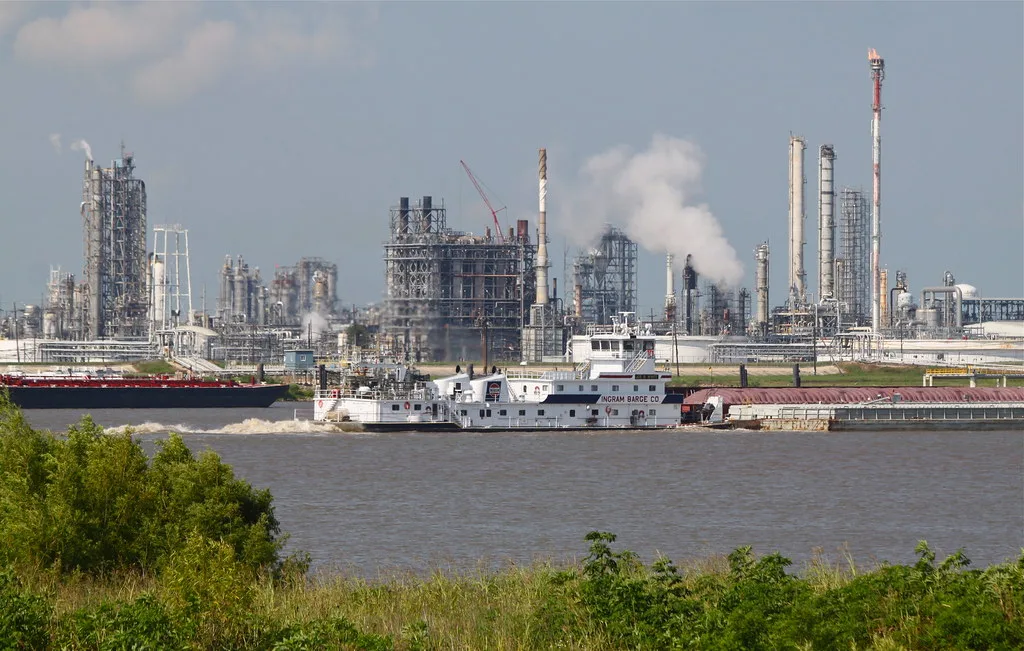
In Ludwigshafen, Germany, the massive BASF chemical complex—long considered the beating heart of the nation’s industrial identity—is grappling with a severe economic downturn that threatens the future of the entire region. As energy costs soar and global competition intensifies, the city finds itself at a precarious crossroads, questioning whether its heavy-industrial heritage can survive the transition to a greener, more expensive energy economy.
The Weight of History
For over a century, Ludwigshafen has been synonymous with chemical manufacturing. The city grew in lockstep with BASF, which employs approximately 39,000 people in the area, creating a local economy almost entirely dependent on the success of the chemical giant.
Historically, Germany’s industrial model relied on cheap, reliable energy imports, primarily natural gas from Russia. The disruption of these supply chains following the conflict in Ukraine has fundamentally altered the cost structure for energy-intensive firms, forcing them to reconsider their long-term viability within German borders.
A Shifting Industrial Landscape
The current struggle is marked by a series of cost-cutting measures and production halts at the Ludwigshafen site. Executives at BASF have openly discussed the necessity of structural changes, moving away from high-volume production toward more specialized, high-margin chemical products.
Economists point to the ‘deindustrialization trap’ as a primary concern for the region. As major firms scale back, secondary service providers, logistics companies, and local small businesses face a cascading loss of revenue that threatens the town’s tax base and social services.
Expert Perspectives on Structural Challenges
Industry analysts warn that Germany’s current regulatory and energy environment makes it difficult for traditional manufacturers to remain globally competitive. According to recent data from the German Chemical Industry Association (VCI), production volumes in the sector have fallen significantly, with many firms reporting that current electricity prices are double or triple those of competitors in the United States or China.