

Metropolitan Police officers mobilized in record numbers across London on Saturday as the city grappled with the convergence of two large-scale political demonstrations and the high-profile FA Cup final at Wembley Stadium. Authorities faced the complex task of managing tens of thousands of protesters and soccer fans simultaneously, creating a significant logistical and security operation in the heart of the U.K. capital.
Context of the Metropolitan Security Operation
The convergence of events follows a period of heightened social tension in the United Kingdom, where public demonstrations have become a frequent occurrence. London police typically utilize specialized public order units to separate opposing groups, but the added strain of a major sporting event—which draws massive crowds to transit hubs and public squares—presents a unique challenge for law enforcement resource allocation.
Managing Conflicting Crowds
The Metropolitan Police Service deployed a heavily visible presence, including mounted officers and drone surveillance, to monitor the rival rallies. Officials established strict protest routes and designated zones to ensure that the groups remained separated throughout the day, aiming to minimize the risk of clashes that have marred previous demonstrations.
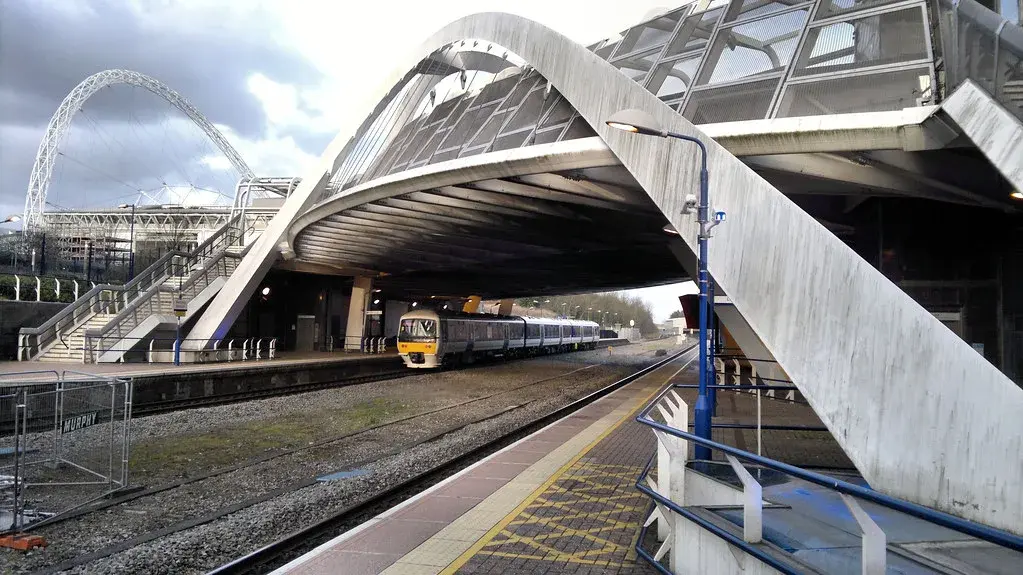
Simultaneously, the FA Cup final at Wembley Stadium drew tens of thousands of supporters, necessitating additional security cordons around public transport networks. The sheer volume of people moving through the city center required coordinated efforts between the police, transport authorities, and event organizers to prevent bottlenecks and potential safety hazards.
Expert Perspectives on Public Safety
Security analysts note that managing mass gatherings in dense urban environments requires a delicate balance between facilitating the democratic right to protest and ensuring the safety of the general public. Dr. Julian Richards, a security expert, stated that the primary objective for the police in such scenarios is to prevent flashpoints by maintaining constant communication with event organizers and protest leaders.
Data from the Metropolitan Police indicates that the force has been operating at an elevated level of readiness for several months, citing a rise in both the frequency and volatility of civil unrest. The cost of such large-scale policing operations often runs into the millions of pounds, sparking ongoing debates regarding the allocation of public funds versus the necessity of maintaining order.
Implications for Future Public Events
The successful management of Saturday’s events serves as a litmus test for the Metropolitan Police’s capacity to handle multiple concurrent high-stakes situations. Future urban planning and security strategies are expected to lean more heavily on integrated technology, such as real-time AI crowd monitoring and predictive analytics, to anticipate movement patterns.
Observers should watch how the government balances the right to peaceful assembly with the economic necessity of hosting major international sporting and cultural events. Upcoming legislative adjustments regarding protest boundaries and public order policing will likely remain a focal point for civil liberties groups and law enforcement agencies in the coming months.