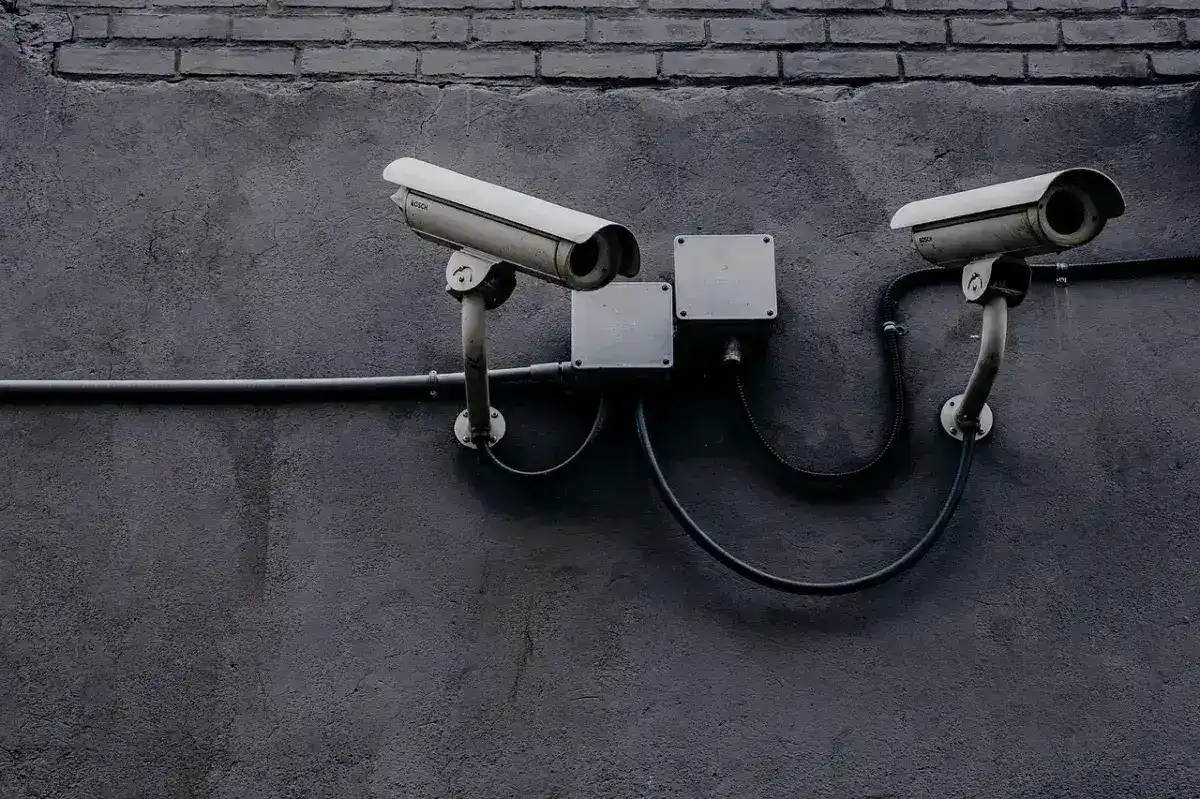



A University of Michigan student, Josiah Walker, filed a federal lawsuit on Thursday accusing the university and private investigators of a coordinated effort to intimidate, terrorize, and retaliate against him. The suit alleges this operation was a response to Walker’s protests against Israel’s war in Gaza, claiming violations of his constitutional rights during an alleged surveillance campaign spanning 2024 and 2025.
Background of the Allegations
The lawsuit, brought forth by Walker with support from the Council on American-Islamic Relations of Michigan (Cair-MI), details a period where the student claims he was subjected to intense monitoring. These actions allegedly included the use of private investigators hired by the university.
Protests and activism concerning the conflict in Gaza have seen a significant rise on college campuses across the United States. Many institutions have grappled with balancing free speech rights of students with maintaining campus order and addressing concerns from various student groups and faculty.
Details of the Lawsuit
According to the legal filing, the university’s alleged surveillance extended beyond typical security measures. Walker claims he was subjected to intimidation tactics and that his activism was targeted in a manner that stifled his ability to express dissent.
The lawsuit specifically names the university and several private investigators as defendants. It asserts that these entities worked in concert to surveil Walker, aiming to suppress his political expression. Such allegations, if proven, could raise serious questions about the university’s methods in managing student activism.
Cair-MI has stated that the lawsuit seeks to hold the university accountable for what they describe as a violation of Walker’s First and Fourteenth Amendment rights. The organization highlighted concerns that such surveillance could have a chilling effect on free speech for all students.
University’s Stance and Precedents
While the University of Michigan has not yet issued a formal statement regarding this specific lawsuit, universities often maintain that they have a responsibility to ensure safety and order on campus. However, the methods employed in response to protests are frequently scrutinized.
Past incidents at other universities have seen legal challenges related to student protestor surveillance and alleged retaliation. These cases often hinge on whether university actions overstep legal boundaries and infringe upon students’ rights to assemble and express political views.
Expert Perspectives and Data
Civil liberties advocates emphasize the importance of robust protections for student speech and protest. “When institutions of higher learning engage in surveillance of their own students for engaging in protected speech, it sends a dangerous message that dissent is not welcome and will be met with state-like tactics,” stated a representative from a national civil liberties organization, speaking generally on such matters.
Data from organizations monitoring campus free speech indicates an increase in reported incidents of alleged censorship and retaliation against student activists nationwide over the past few years, particularly concerning geopolitical issues.
Implications for Students and Institutions
If the allegations in Walker’s lawsuit are substantiated, it could set a precedent for how universities address student activism. It may lead to increased scrutiny of university-hiring practices for private investigators and stricter guidelines on surveillance activities.
For students, the lawsuit underscores the ongoing tension between administrative control and student expression. It highlights the potential risks involved in political activism and the legal avenues available to challenge perceived infringements on rights.
What to Watch Next
The University of Michigan is expected to respond to the lawsuit in federal court. Observers will be watching closely for the university’s defense strategy and any potential settlements or rulings. The outcome could influence how other institutions approach student dissent and the use of investigative services. Further details are likely to emerge as the legal process unfolds, including specific evidence presented by both sides regarding the alleged surveillance operation.