





Alberta Premier Danielle Smith announced a significant cabinet shuffle on Wednesday, appointing new ministers to key portfolios following the unexpected resignations of two of her senior cabinet members who confirmed they would not seek re-election. The changes aim to ensure stability and continuity in government operations as the province faces upcoming legislative sessions and ongoing policy initiatives.
Context of the Resignations
The departures of Health Minister Jason Copping and Municipal Affairs Minister Rebecca Schulz came as a surprise to many. Both ministers cited personal reasons and a desire to step away from public life after the next provincial election, which is constitutionally due by May 2027. Their decision to not run again prompted Premier Smith to re-evaluate her front bench to fill the vacant positions and potentially reassign responsibilities.
Copping had been at the helm of the health file during a challenging period, marked by ongoing pressures on the healthcare system, including staffing shortages and emergency room wait times. Schulz, as Minister of Municipal Affairs, was instrumental in implementing the provincial government’s approach to municipal governance and funding.
Details of the Cabinet Shuffle
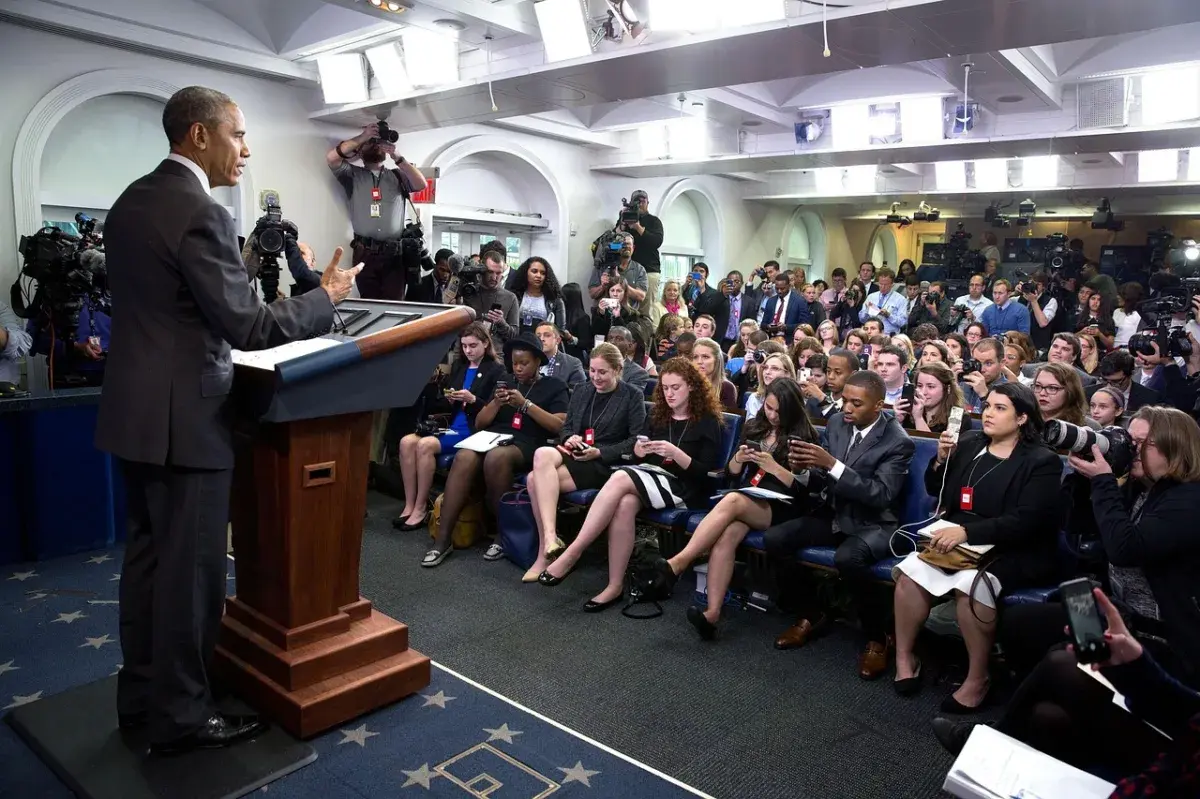
In a press conference held at the Alberta Legislature Building, Premier Smith introduced Rajan Sawhney as the new Minister of Health. Sawhney, previously the Minister of Advanced Education, brings experience from managing a complex provincial portfolio. His appointment signals a continued focus on addressing the critical issues within Alberta’s healthcare system.
The Ministry of Municipal Affairs will now be led by Ric McIver, who moves from his role as Minister of Transportation and Economic Corridors. This move sees McIver taking on a portfolio that requires significant engagement with local governments across the province. His previous experience in infrastructure and economic development is expected to inform his approach to municipal relations.
Furthermore, Nate Horner has been appointed as the new Minister of Transportation and Economic Corridors, vacating his previous position as Minister of Agriculture and Irrigation. Horner’s background in agriculture is anticipated to bring a unique perspective to the transportation and economic development file, potentially focusing on supply chain improvements and rural connectivity.
Devin Dreeshen steps into the role of Minister of Agriculture and Irrigation. Dreeshen, who previously served as Minister of Energy, is expected to leverage his understanding of provincial resource management and economic drivers in his new capacity. This appointment suggests a strategic alignment between resource sectors and agricultural productivity.
Expert Perspectives and Data
Political analysts suggest that cabinet shuffles, especially following resignations, are a common tactic to refresh a government’s image and refocus its agenda. Dr. Lori Williams, a political science professor at Mount Royal University, commented, “These changes can signal a new direction or reinforce existing priorities. The key will be how the new ministers navigate their respective portfolios and whether they can implement effective policies.”
Data from previous cabinet shuffles in Alberta indicates that ministers often face a steep learning curve in new roles. A study by the University of Alberta’s Department of Political Science found that it can take several months for a minister to fully grasp the intricacies of a new ministry and begin to exert significant influence on policy. This suggests that tangible results from the new appointments may not be immediate.
Implications for Albertans and the Industry
For Albertans, the changes mean new faces will be leading critical government departments. Residents can expect continued focus on healthcare system improvements and evolving relationships with municipal governments. The stability of these key ministries is crucial for public service delivery and the effective functioning of local governance.
The business community, particularly in the agriculture and transportation sectors, will be closely watching the new leadership. The appointments of Horner and Dreeshen signal a potential emphasis on integrating agricultural needs with broader economic and transportation strategies. Industry stakeholders will be looking for clear policy direction and support for their sectors.
The Premier’s decisions reflect a balancing act between maintaining experienced leadership and introducing fresh perspectives. The effectiveness of this shuffle will be measured by the new ministers’ ability to address pressing provincial challenges and advance the government’s agenda leading up to the next election. Observers will be keen to see how these appointments impact policy development and public perception in the coming months.