


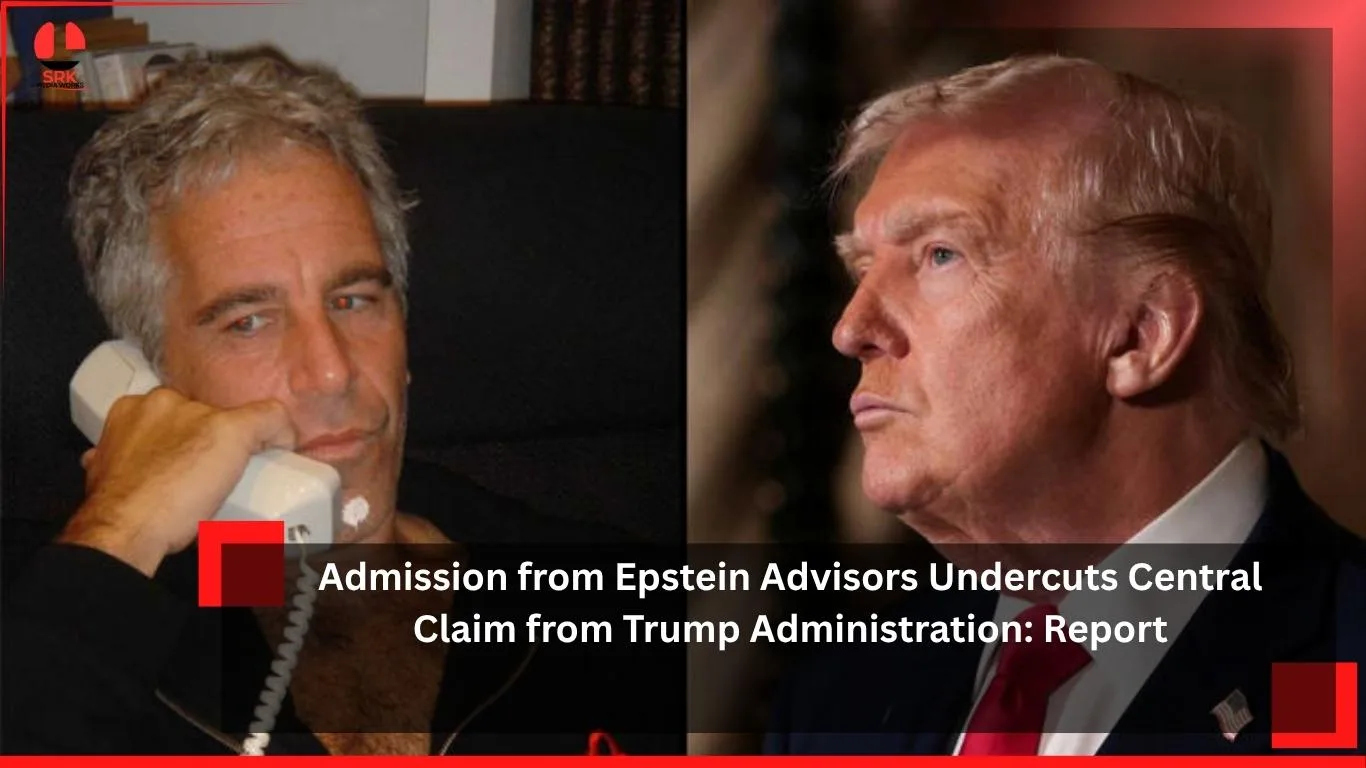
A new report has revealed that admissions from advisors linked to Jeffrey Epstein have undermined a central claim previously advanced by the Trump administration. This revelation has reignited debates about political accountability, transparency, and the influence of controversial figures on policy narratives. The disclosures, though indirect, highlight how associations and testimonies can reshape public understanding of government claims.
Context of the Revelation
The Trump administration had long maintained certain positions regarding financial oversight, regulatory decisions, and external influences. However, admissions from Epstein’s advisors—who were connected to his financial dealings and networks—appear to contradict key assertions. These revelations suggest that the administration’s narrative may have relied on incomplete or misleading information.
Why This Matters
- Credibility of Policy Claims: When advisors contradict official narratives, it raises questions about the integrity of government positions.
- Public Trust: Citizens rely on accurate information to evaluate leadership. Contradictions erode confidence.
- Political Fallout: Opponents may use these admissions to challenge the administration’s credibility.
- Historical Record: Such revelations become part of the broader historical assessment of governance.
Comparative Analysis of Narratives
| Claim by Trump Administration | Admission by Epstein Advisors | Impact |
|---|---|---|
| Financial dealings were transparent | Advisors admitted irregularities existed | Undermines credibility |
| No external influence on policy | Advisors suggested indirect influence | Raises accountability concerns |
| Regulatory oversight was strict | Advisors revealed loopholes exploited | Weakens policy defense |
This comparison shows how the advisors’ admissions directly contradict central claims, creating a narrative clash.
Pivot in Political Discourse
The report represents a pivot in political discourse, shifting focus from defending past claims to addressing contradictions. It also highlights the role of external figures—like Epstein—in shaping or undermining political narratives.
Broader Implications
- Legal Scrutiny: Admissions may prompt renewed investigations into financial and regulatory practices.
- Media Coverage: The revelations will dominate headlines, influencing public opinion.
- Opposition Strategy: Political opponents may leverage these contradictions in campaigns.
- Global Perception: International observers may view the U.S. political system as vulnerable to external influence.
Sentiment Analysis
| Group | Sentiment | Likely Response |
|---|---|---|
| Trump Supporters | Defensive | Downplay admissions |
| Opposition Leaders | Critical | Demand accountability |
| Neutral Observers | Concerned | Call for transparency |
| Global Analysts | Skeptical | Question U.S. credibility |
Lessons from Past Political Controversies
- Watergate Scandal: Contradictions in official narratives led to loss of trust.
- Iran-Contra Affair: Admissions from insiders reshaped public perception.
- Clinton Impeachment: Testimonies played a central role in political fallout.
These examples show that insider admissions often carry significant weight in shaping political outcomes.
Conclusion
The admission from Epstein advisors undercuts a central claim from the Trump administration, raising serious questions about credibility and accountability. While the full impact of these revelations remains to be seen, they underscore the importance of transparency in governance. As political discourse evolves, the challenge lies in reconciling official narratives with emerging truths.
Disclaimer
This article is intended for informational purposes only and does not represent official government policy or investigative conclusions. The content is based on general observations of political developments and public reports. Readers should note that claims and admissions are subject to verification and interpretation.