


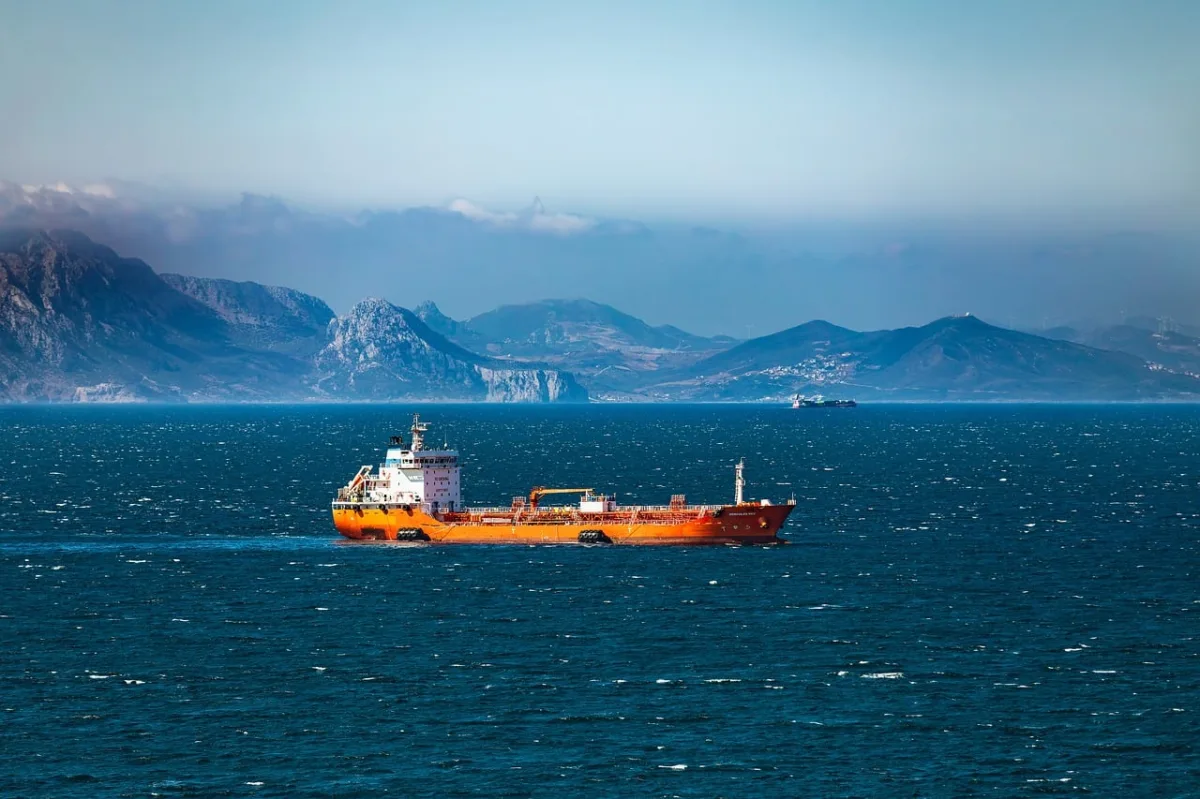
An Uncertain Situation at Sea
An Indian-flagged vessel was intercepted and diverted toward Iranian territorial waters by unidentified forces off the coast of Oman earlier this week, sparking immediate international concern. The incident occurred just as U.S. President Donald Trump and Chinese President Xi Jinping reached a high-level diplomatic consensus regarding the security of the Strait of Hormuz, a critical global shipping artery.
Context of the Maritime Conflict
The Strait of Hormuz remains one of the world’s most vital maritime choke points, through which approximately 20% of the world’s petroleum consumption flows. Tensions in the region have surged over the past year due to a series of tanker seizures and attacks on commercial shipping, often linked to broader geopolitical friction between Iran and Western powers.
The recent diplomatic engagement between Washington and Beijing highlights the global stakes involved in maintaining open transit lanes. Both leaders have publicly acknowledged the necessity of stabilizing the region to prevent further disruption to global energy markets.
Details of the Current Seizure
Maritime security agencies report that the Indian-flagged ship was approached by fast-moving craft before being forced to change course toward the Iranian coast. While the identity of the boarding party remains unconfirmed, the vessel’s trajectory has prompted regional observers to heighten monitoring of the Gulf of Oman.
Shipping analysts note that such maneuvers are often calculated tactics designed to exert pressure during ongoing international negotiations. The Indian government has confirmed it is in contact with relevant maritime authorities to ascertain the status and safety of the crew members currently aboard the vessel.
Expert Perspectives and Data
Security experts emphasize that the timing of this seizure is highly provocative, potentially undermining the fragile diplomatic progress made between the U.S. and China. According to data from the International Maritime Bureau, incidents of this nature have increased by 15% in the Middle East over the last six months, signaling a shift toward more aggressive maritime posturing.
“The act of diverting a commercial vessel is a clear signal of intent,” says maritime security analyst Dr. Elena Vance. “It forces regional actors to re-evaluate their security protocols and introduces a new variable of volatility into an already unstable environment.”
Broader Implications for Global Trade
For the shipping industry, the incident implies rising insurance premiums and potential delays for vessels navigating the Persian Gulf. Companies are now reconsidering transit routes or increasing security details on board to mitigate the risk of interception.
Looking ahead, the international community will be watching for the official response from Tehran regarding the vessel’s status. Observers expect that if the ship is not released promptly, a secondary round of diplomatic sanctions or increased naval presence in the region could follow. Future developments will depend heavily on whether the U.S.-China agreement translates into practical, on-the-ground enforcement or if the Strait will remain a theater for asymmetric naval conflict.


