





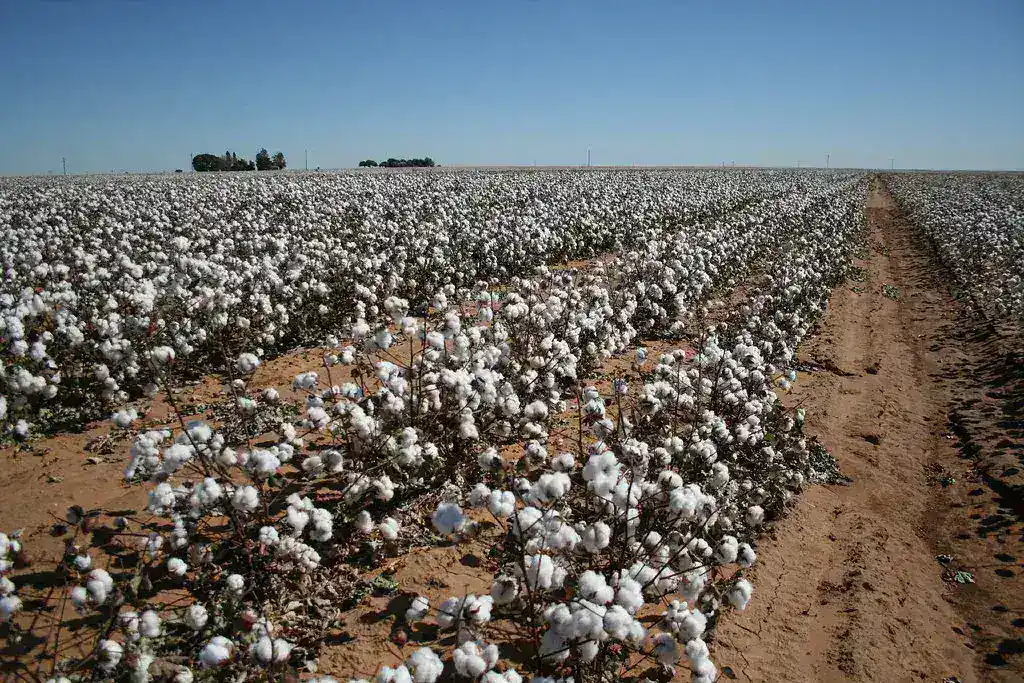
The Call for Structural Reform
Agricultural economists and industry analysts are calling for a fundamental shift toward long-term policy frameworks to stabilize the volatile global cotton market. The demand follows a comprehensive new study released this week, which highlights how short-term interventions have failed to address systemic price fluctuations and climate-related production risks facing growers worldwide.
The research, conducted by a coalition of international agricultural research institutes, emphasizes that the current reliance on reactive subsidies and emergency trade measures leaves farmers vulnerable to market shocks. By implementing multi-year strategic policies, the report argues that nations can better incentivize sustainable farming practices while ensuring a consistent supply chain for the global textile industry.
Understanding the Volatility
Cotton remains one of the most significant commodities in the global economy, directly supporting the livelihoods of over 100 million households, primarily in developing nations. Despite its importance, the crop is notoriously susceptible to extreme weather events, pest outbreaks, and fluctuating global trade policies.
For decades, governments have frequently resorted to ad-hoc financial support programs to offset sudden price drops or supply chain disruptions. However, critics argue these interventions often distort local markets and discourage the long-term investment in irrigation technology and soil health that is necessary to withstand climate change.
The Multi-Faceted Impact on Producers
The study identifies several key drivers behind the current instability, noting that smallholder farmers are disproportionately affected by market uncertainty. Without predictable pricing mechanisms or stable government support, many farmers struggle to secure credit for high-quality seeds and fertilizers.
According to data from the International Cotton Advisory Committee (ICAC), global cotton yields have plateaued in several major producing regions due to a lack of investment in research and extension services. The report suggests that long-term policy frameworks would provide the financial certainty required for farmers to pivot toward climate-resilient farming techniques.
Furthermore, the textile industry is increasingly demanding transparency and stability in raw material sourcing. Global brands, under pressure to meet environmental, social, and governance (ESG) targets, are finding it difficult to trace cotton back to sustainable sources when market mechanisms remain fragmented and opaque.
Expert Perspectives on Market Stability
Dr. Elena Rossi, a lead researcher on the project, notes that the transition to long-term policy requires a paradigm shift in how agricultural success is measured. “We need to move away from prioritizing annual yield targets at the expense of ecological and economic sustainability,” she stated.
Industry data indicates that countries with more consistent, multi-year support structures have seen a 15% increase in farm-level productivity over the last decade compared to those relying on year-to-year funding. This suggests that policy predictability is a critical component of economic growth in the sector.
Future Implications for the Industry
The shift toward long-term policy could redefine trade agreements and international development aid. If major producing nations adopt these strategies, global markets may experience lower price volatility, providing a more stable environment for both textile manufacturers and retail consumers.
Observers should watch for upcoming trade summits where agricultural ministers are expected to discuss the integration of these policy recommendations into national agricultural agendas. The success of this initiative will ultimately depend on whether governments are willing to move beyond electoral cycles to address the enduring challenges of global cotton production.