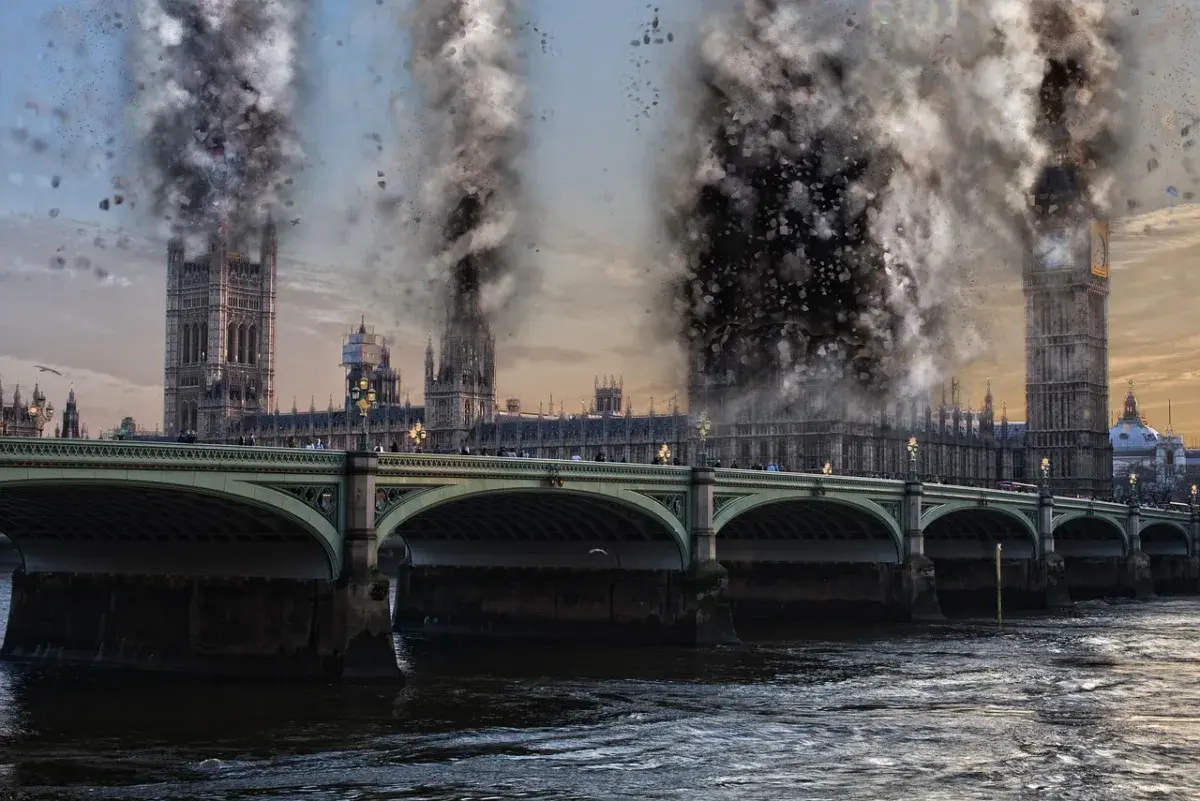
Prime Minister Keir Starmer is grappling with a severe challenge to his authority this week in London, as internal dissent within the Labour Party pushes his administration into a period of prolonged political paralysis. Following a string of policy setbacks and plummeting approval ratings, critics within his own parliamentary ranks have begun to label the Prime Minister a ‘lame-duck’ leader, signaling a slow-motion coup that threatens to derail the government’s legislative agenda for the foreseeable future.
The Erosion of Political Capital
The current instability follows a turbulent transition period marked by economic headwinds and public dissatisfaction with key infrastructure promises. Political analysts suggest that the erosion of Starmer’s support is not merely a reaction to specific policy failures, but a fundamental breakdown in party discipline that has been simmering since the last general election.
Data from recent YouGov polling indicates that Starmer’s approval rating has reached a record low, with a significant portion of the electorate questioning his ability to navigate the upcoming budget cycle. This decline in public confidence has emboldened backbench rebels who argue that the current trajectory necessitates a fundamental shift in leadership strategy or personnel.
The Mechanics of the Internal Challenge
Unlike a sudden vote of no confidence, this internal movement is characterized by a series of quiet maneuvers and strategic leaks aimed at undermining the Prime Minister’s perceived competence. Insiders describe a atmosphere of ‘leadership limbo,’ where cabinet ministers and junior members alike are hedging their bets, awaiting further signs of vulnerability before committing to an open challenge.
Dr. Sarah Jenkins, a senior political researcher at the Institute for Government, notes that the lack of a clear successor has ironically kept Starmer in power while simultaneously weakening his executive reach. ‘The party is currently trapped in a cycle of attrition,’ Jenkins stated, noting that the absence of a unified alternative prevents a clean break while ensuring the current leadership cannot effectively govern.
Industry and Economic Implications
For the British business community, the uncertainty creates a precarious environment for long-term investment. Financial markets have reacted with heightened volatility, as investors weigh the risks of a potential change in government direction against the current legislative gridlock.
The Treasury has struggled to maintain a consistent narrative regarding taxation and public spending, as any bold initiative is immediately met with resistance from factions within the Labour Party. This friction effectively halts major infrastructure projects and delays critical reforms in the public sector, as civil servants are left waiting for policy direction that never arrives.
Looking Toward the Horizon
The coming weeks will be defined by the government’s ability to pass the upcoming Autumn Statement, a milestone that will serve as a definitive test of Starmer’s remaining influence. Should the legislation face significant obstruction from his own benches, the pressure for a formal leadership contest will likely become insurmountable.
Observers are closely monitoring the behavior of key cabinet figures during the party’s regional conferences, where public loyalty will be tested against the backdrop of rising voter frustration. Whether Starmer can consolidate his position or will be forced to concede power remains the central question dominating Westminster, with the outcome poised to reshape the nation’s political landscape for years to come.