





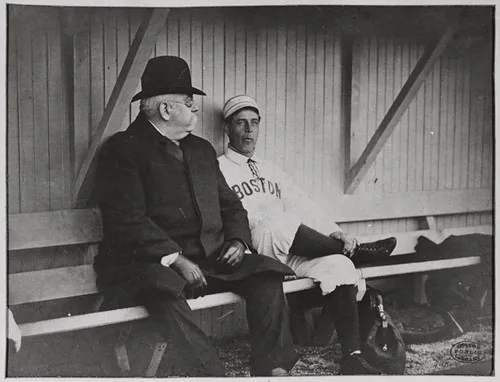
Bobby Cox, the iconic manager who transformed the Atlanta Braves into a dominant force in Major League Baseball throughout the 1990s, passed away at the age of 84. Widely regarded as one of the most influential figures in professional baseball history, Cox died following a long career that saw him accumulate 2,504 career wins and a permanent place in the National Baseball Hall of Fame.
A Legacy of Consistency
Cox’s tenure with the Atlanta Braves is best remembered for an unprecedented streak of success. Between 1991 and 2005, his teams secured 14 consecutive division titles, a feat that remains unmatched in the history of North American professional sports. His tactical approach and ability to cultivate young talent allowed the Braves to remain competitive despite shifting rosters and changing league dynamics.
His career began as a player, but he found his true calling in the dugout. After managing the Toronto Blue Jays in the early 1980s, he returned to Atlanta, where he would solidify his reputation as a master strategist. He led the franchise to a World Series championship in 1995, cementing his status as a pillar of the organization.
The Managerial Philosophy
Known for his fiery temperament and frequent ejections—he holds the MLB record for most ejections by a manager with 161—Cox was equally respected for his unwavering support of his players. He fostered a culture of accountability that turned the Braves into a perennial powerhouse. Former players frequently cite his ability to communicate expectations clearly as the primary driver of their success.
Data analysts often point to the stability provided by Cox as the foundation for the Braves’ pitching dominance during the 90s. With Hall of Fame starters like Greg Maddux, Tom Glavine, and John Smoltz leading the rotation, Cox’s managerial style emphasized pitch efficiency and defensive discipline. His 2,504 career victories place him fourth on the all-time list, trailing only Connie Mack, John McGraw, and Tony La Russa.
Impact on the Game
The influence of Cox extends far beyond his win-loss record. He mentored a generation of coaches and executives who now populate front offices across the league. His emphasis on scouting and player development remains a blueprint for modern teams looking to build sustainable success through internal talent rather than just free-agent spending.
The baseball community has reacted with an outpouring of tributes, highlighting not just his competitive drive but his role as a mentor. His induction into the Hall of Fame in 2014 served as the ultimate recognition of his contributions to the sport. The Braves organization has signaled that they will honor his legacy throughout the upcoming season with commemorative patches and tributes at Truist Park.
Future Implications for the Sport
As the game of baseball continues to evolve with advanced analytics and shift-heavy strategies, the passing of Bobby Cox marks the end of an era defined by traditional dugout leadership. Teams are currently shifting toward more analytical, data-driven management structures, often prioritizing front-office collaboration over the singular authority once held by managers like Cox.
Observers will be watching to see how teams balance the modern demand for quantitative precision with the human element of leadership that Cox mastered. The challenge for the next generation of managers will be to bridge the gap between complex statistical models and the psychological needs of the players on the field. The legacy of Bobby Cox serves as a reminder that regardless of the era, the ability to command respect and build a cohesive team culture remains the most critical component of a championship-caliber organization.