





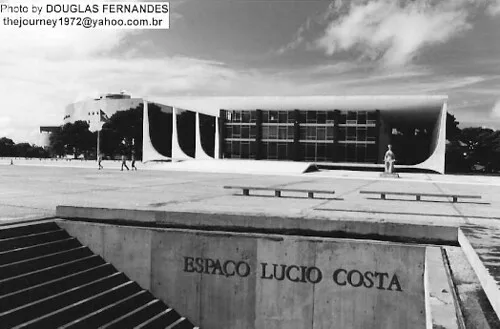
Supreme Court Justice Alexandre de Moraes issued a preliminary ruling on Tuesday in Brasilia, suspending the application of a controversial law that would have allowed for the reduction of prison sentences through the remission of penalties for time spent in study or work. The decision specifically impacts the legal landscape surrounding former President Jair Bolsonaro, who faces multiple investigations that could lead to a combined prison sentence exceeding 27 years.
The Legislative Backdrop
The suspended legislation was part of a broader penal reform package aimed at addressing the systemic issue of prison overcrowding in Brazil. Proponents argued that incentivizing education and labor within the correctional system would facilitate the reintegration of inmates into society.
Critics, however, contended that the law provided a loophole for high-profile political figures to effectively “buy” their way out of lengthy incarceration. The suspension comes as the Brazilian judiciary intensifies its scrutiny of the former president’s actions during and after his term in office.
Judicial Scrutiny and Political Stakes
Justice de Moraes, a central figure in several investigations targeting the former president, cited the need for a comprehensive review of the law’s constitutionality. His injunction prevents the immediate application of sentence-reduction credits to any defendants currently involved in high-stakes criminal proceedings.
Bolsonaro is currently facing inquiries related to the alleged embezzlement of state assets, the falsification of COVID-19 vaccination records, and his potential involvement in the January 8, 2023, riots in the capital. Legal analysts suggest that if convicted, the former leader could face decades behind bars, making every potential credit toward sentence reduction a point of significant legal contention.
Expert Perspectives
Legal experts observe that this move highlights the growing friction between the legislative branch and the judiciary. “The Supreme Court is signaling that it will strictly interpret the application of penal benefits when they intersect with systemic threats to democratic stability,” said Maria Oliveira, a constitutional law analyst based in São Paulo.
Data from the National Council of Justice (CNJ) indicates that Brazil’s prison population currently exceeds 800,000, creating immense pressure on the state to find alternative sentencing methods. However, the political weight of the cases against Bolsonaro has forced the court to prioritize legal consistency over general prison reform initiatives.
Broader Implications for the Brazilian Judiciary
The suspension of this law forces a re-evaluation of how penal benefits are applied to political crimes in Brazil. It creates a precedent where the judiciary may intervene in executive and legislative penal policies if those policies are perceived to undermine the outcomes of major corruption or anti-democratic investigations.
For the average Brazilian citizen, this ruling underscores the volatility of the current political environment and the judiciary’s proactive role in shaping the consequences of political conduct. The case is now set to move to the full Supreme Court bench, where the final constitutionality of the law will be debated by all eleven justices.
What to Watch Next
Observers are now tracking the timeline for the full court session, which will determine whether the suspension becomes permanent or is overturned. Future hearings will likely focus on whether the law’s benefits can be restricted to specific categories of crimes, setting a standard that could fundamentally alter how long-term sentences are served for public officials convicted of criminal activity.