




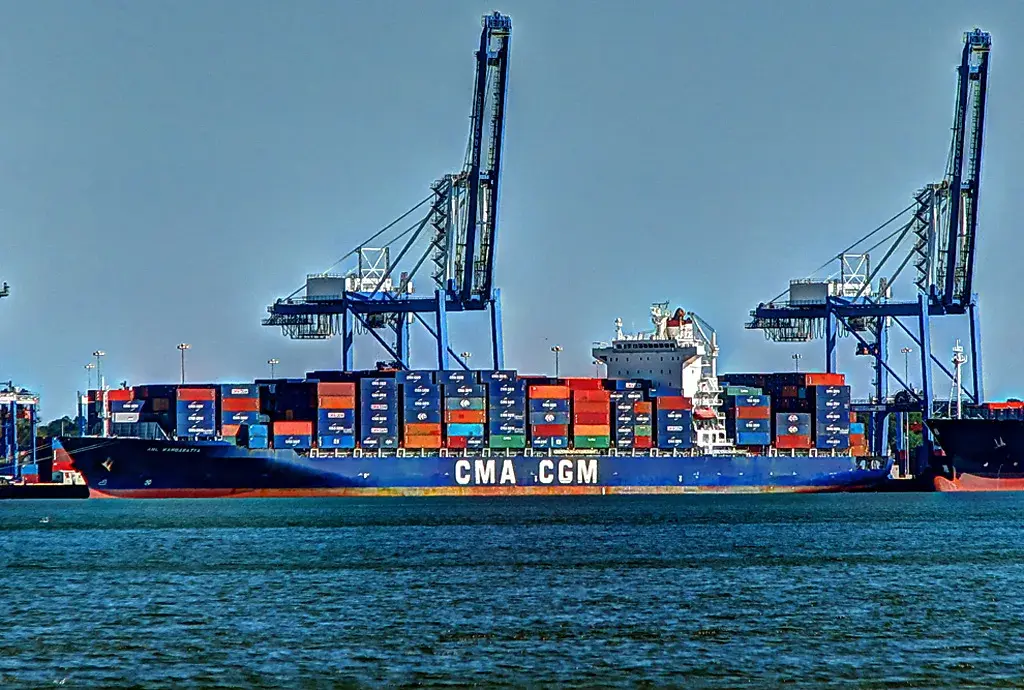
New Trade Commitments Between Washington and Beijing
President Donald Trump announced on May 14 that China has committed to a significant increase in imports of United States agricultural and industrial goods following high-level meetings with Chinese leader Xi Jinping. The agreement mandates that Beijing purchase substantial quantities of American soybeans, crude oil, and Boeing aircraft, marking a potential de-escalation in ongoing trade tensions between the world’s two largest economies.
This development follows a period of protracted trade friction characterized by reciprocal tariffs and intense negotiations over market access. The agricultural sector, particularly soybean producers, has been among the most vulnerable to shifting trade policies, as China previously served as the primary destination for American soy exports before retaliatory measures were enacted.
Economic Context and Market Impact
The commitment to purchase Boeing jets and energy products highlights a broader effort to address the structural trade imbalance that has defined the bilateral relationship for years. Historically, China has utilized large-scale procurement of commercial aircraft and raw materials as a key lever in managing trade relations with Washington. Analysts suggest that by securing these specific commitments, the administration aims to provide immediate relief to the U.S. farm belt, which has faced declining export volumes since the onset of the trade dispute.
Data from the U.S. Department of Agriculture underscores the importance of the Chinese market, where soybean exports remain the highest-value agricultural commodity. By formalizing these purchases, both nations seek to stabilize supply chains that were disrupted by shifting geopolitical priorities. The inclusion of Boeing jets also signals a strategic push to support the American aerospace sector, which is a major driver of domestic manufacturing jobs and export revenue.
Expert Perspectives on Bilateral Trade
Trade economists emphasize that while these purchase commitments provide a short-term boost to export numbers, the long-term sustainability of such an agreement depends on the enforcement of market-access provisions. According to recent trade reports, the success of this deal will hinge on whether Beijing can integrate these imports into its domestic consumption cycle without displacing existing trade partnerships. Furthermore, market observers note that the reliance on state-directed procurement often complicates standard market dynamics, as global prices for commodities like oil and soy are subject to volatility.
Implications for Future Trade Relations
For American farmers and manufacturers, this agreement provides a critical window of predictability in a highly unstable global trading environment. If Beijing follows through on the projected volume of purchases, it could significantly lower domestic inventory levels and stabilize prices for U.S. producers. However, industry stakeholders remain cautious, noting that historical precedent suggests implementation timelines often face delays due to logistical hurdles and changing economic conditions.
Moving forward, analysts are watching for official procurement schedules and volume verification to confirm the scale of these imports. Observers will also track whether these purchases serve as a precursor to broader structural reforms in Chinese trade policy or if they function primarily as a temporary measure to manage immediate diplomatic pressures. The stability of global shipping lanes and future energy demand will be key indicators of how effectively this agreement is being executed in the coming months.