





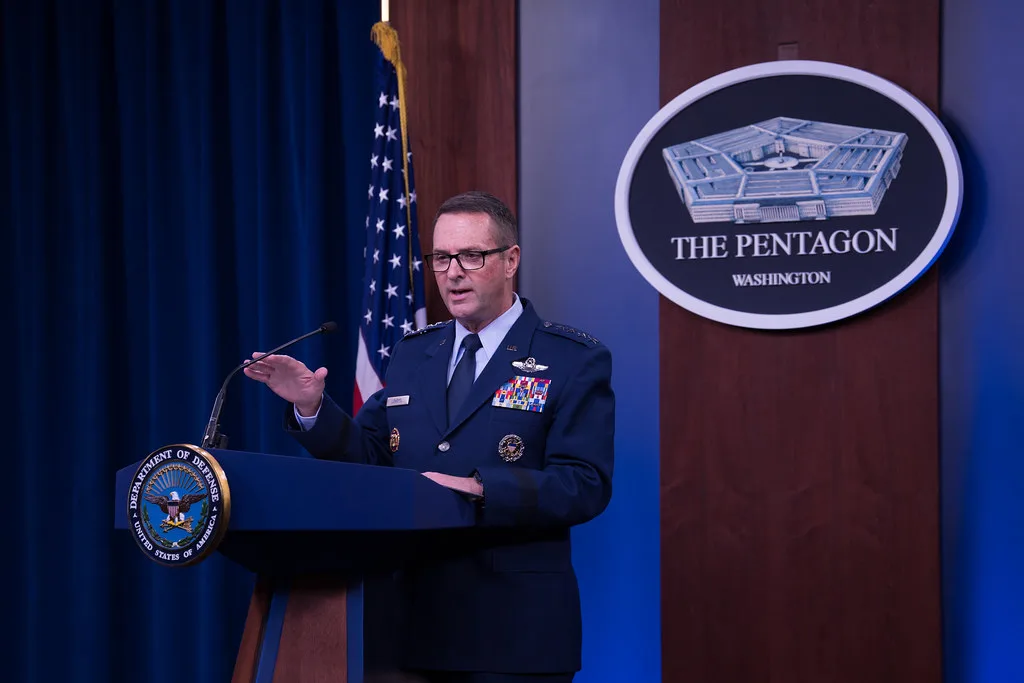
Pentagon Abandons Deployment Plans
The U.S. Department of Defense has abruptly canceled plans to deploy 4,000 troops to Poland, a strategic move that has ignited significant frustration among lawmakers. Gen. Christopher LaNeve, the U.S. Army’s acting chief of staff, confirmed the reversal during a hearing before the House Armed Services Committee this week, though he provided limited justification for the sudden shift in military posture.
Context of the Deployment
The deployment was originally intended to bolster the North Atlantic Treaty Organization’s (NATO) eastern flank, a response to the ongoing security volatility in Eastern Europe. For months, the Pentagon had been coordinating with Polish defense officials to facilitate the arrival of these additional personnel to deter regional aggression. This planned increase was widely viewed as a signal of American commitment to the security architecture of the Baltic and Central European regions.
Congressional Backlash and Ambiguity
Lawmakers on the House Armed Services Committee expressed immediate outrage, demanding clarity on why a move deemed essential for national security was scrapped. Members of the committee voiced concerns that the decision undermines the credibility of U.S. security guarantees in the region. Gen. LaNeve acknowledged the logistical complexities involved but stopped short of detailing the specific strategic or budgetary factors that necessitated the cancellation.
Strategic Implications
Defense analysts suggest that the decision could signal a broader shift in U.S. force posture as the Pentagon balances commitments across multiple global theaters. With tensions rising in the Indo-Pacific and ongoing logistical constraints, the military may be re-prioritizing its assets in ways that impact European readiness. According to recent data from the Congressional Research Service, the U.S. presence in Europe has fluctuated significantly as the military navigates changing geopolitical landscapes.
Expert Perspectives
Security experts note that the cancellation creates a vacuum that may be perceived as a softening of resolve by adversarial actors in the region. Dr. Elena Petrov, a senior fellow at the Center for Strategic and International Studies, noted that such sudden reversals often confuse allies who rely on consistent, long-term planning. Without a transparent explanation, the move threatens to disrupt the unified front that NATO has sought to maintain throughout recent security crises.
Future Outlook
The Pentagon is now under intense pressure to provide a classified briefing to the committee to explain the rationale behind the reversal. Observers should monitor upcoming budget hearings and defense appropriations bills, as these documents may shed light on whether the cancellation is a permanent change in strategy or a temporary delay. The long-term impact on U.S.-Polish military relations remains a critical point of concern for regional stability in the coming months.