





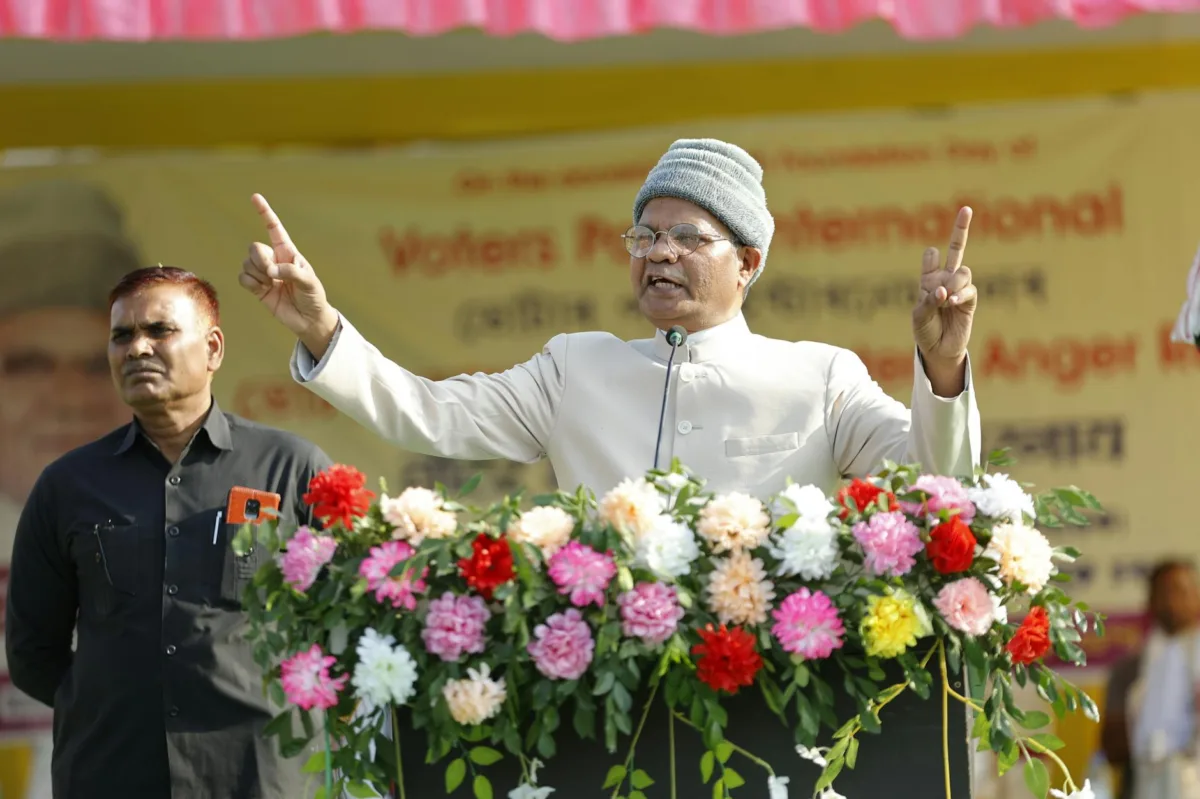
In a significant political development, the Indian National Congress officially named V.D. Satheesan as the Chief Minister-designate of Kerala this week, marking a decisive end to a period of internal party uncertainty. The announcement, finalized following late-night deliberations in New Delhi involving party high command figures Sonia Gandhi and A.K. Antony, signals a new chapter for the opposition party as it seeks to reorganize its regional leadership structure.
Contextualizing the Leadership Transition
The appointment follows a period of intense speculation regarding the party’s direction within the state. As the Congress navigates a challenging political landscape, the selection process was characterized by a need to balance veteran influence with a desire for organizational renewal.
Historically, the Kerala Congress unit has often navigated complex factional dynamics. Observers note that the party high command intervened directly to resolve the stalemate, aiming to prevent further erosion of morale among party cadres and legislative members.
Navigating Internal Factionalism
The path to Satheesan’s appointment was not without friction. While various MLAs had initially expressed support for other high-profile figures, such as K.C. Venugopal, the high command ultimately prioritized a candidate capable of bridging existing divides.
A critical breakthrough occurred when Ramesh Chennithala, a senior leader previously linked to the leadership conversation, extended his support to the Chief Minister-designate. This late-stage detente served as a stabilizing force, effectively neutralizing potential dissent within the legislative party.
Political analysts point to the involvement of A.K. Antony as a decisive factor in the outcome. His role in mediating between competing interests allowed the party to project a unified front, a necessity for any viable opposition movement in the state.
Strategic Implications for Kerala Politics
The elevation of V.D. Satheesan carries broader implications for the state’s political trajectory. By opting for a leader perceived as a fresh voice, the Congress is attempting to revitalize its outreach to voters who have grown weary of traditional factionalism.
Internal party data suggests that the leadership change is intended to streamline decision-making processes. With the state assembly facing several pressing economic and social challenges, the ability of the new leadership to articulate a cohesive policy platform will be the primary metric for its success.
Industry experts suggest that the party’s focus will now shift toward grassroot mobilization. The effectiveness of this transition will likely determine whether the Congress can reclaim lost ground in upcoming local and regional electoral cycles.
Future Outlook and Key Considerations
Moving forward, all eyes will be on the composition of the new cabinet and the distribution of key portfolios. Observers are particularly keen to see how the party integrates veteran leaders alongside the new administration, balancing experience with the mandate for change.
The coming months will serve as a litmus test for the new Chief Minister, specifically regarding his ability to maintain party cohesion during legislative sessions. The stability of this leadership arrangement will be the primary indicator to watch as the state navigates its next fiscal and legislative challenges.