



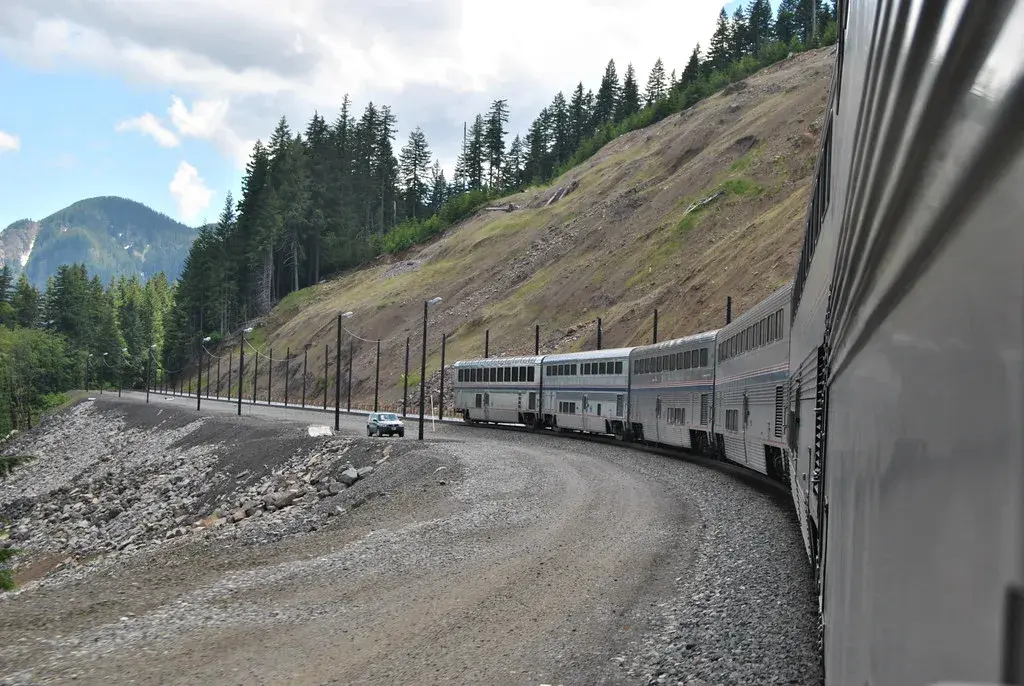
The Kerala State Human Rights Commission (KSHRC) has officially intervened in the aftermath of a devastating mudslide in Adimaly, directing the National Highways Authority of India (NHAI) to submit a comprehensive report regarding the disaster. The commission’s directive, issued this week in the wake of the tragedy, mandates that officials explain the safety measures and structural integrity of the highway expansion projects currently underway in the high-range region. The move comes as local residents and activists point to unscientific cutting of hillsides as a primary catalyst for the recent collapse.
Context of the High-Range Infrastructure Crisis
The Idukki district, where Adimaly is located, has seen significant infrastructure development over the past several years, primarily driven by the widening of National Highway 85. While these upgrades aim to improve connectivity between Kerala and Tamil Nadu, environmental experts have long warned that the steep gradients and fragile soil composition of the Western Ghats require specialized engineering techniques.
Previous monsoon seasons have frequently highlighted the vulnerability of these mountain roads. The current situation follows a pattern of increasing landslide incidents, which authorities often attribute to extreme weather events, though critics argue that the failure to implement adequate retaining walls and drainage systems exacerbates the danger to human life.
Investigating Accountability and Engineering Standards
The KSHRC’s inquiry focuses on whether the NHAI and its contracted agencies adhered to the mandatory environmental impact assessment protocols before commencing excavation. The commission has expressed concern that the removal of soil without proper stabilization measures has left the slopes prone to saturation and sliding during heavy rainfall.
According to data from the Kerala State Disaster Management Authority (KSDMA), regions undergoing heavy construction in the Western Ghats are statistically more likely to experience localized landslides during the monsoon. The commission is now seeking specific documentation on the safety audits conducted by the NHAI prior to the onset of the current rainy season.
Expert Perspectives on Slope Stability
Geotechnical engineers emphasize that slope stability in high-altitude zones is not merely a matter of road construction but of ecological management. Dr. R. Suresh, a consultant in disaster mitigation, noted that “the practice of vertical cutting without benching or proper drainage creates a ‘ticking time bomb’ during periods of high precipitation.”
Furthermore, local community leaders have filed multiple complaints alleging that the debris from the highway widening projects is frequently dumped in unscientific manners, blocking natural water channels. This disruption of the natural drainage network is cited as a significant factor in the saturation of the soil that led to the Adimaly incident.
Implications for Future Infrastructure Development
The KSHRC’s intervention sets a significant precedent for how infrastructure projects are managed in ecologically sensitive zones. If the investigation reveals negligence, it could force the NHAI to overhaul its construction safety protocols, potentially leading to increased costs and longer timelines for ongoing projects across the state.
For the residents of Idukki, the commission’s report will be a critical litmus test for accountability. The industry must now watch for whether this inquiry leads to mandatory revisions of the National Highway expansion design standards, particularly regarding the use of bio-engineering solutions and slope protection measures in mountainous terrain.
Moving forward, the focus will remain on the upcoming monsoon preparedness audits. Observers are closely monitoring whether the NHAI will implement immediate stabilization measures, such as soil nailing or the construction of reinforced concrete retaining walls, before the next wave of heavy rainfall arrives.