





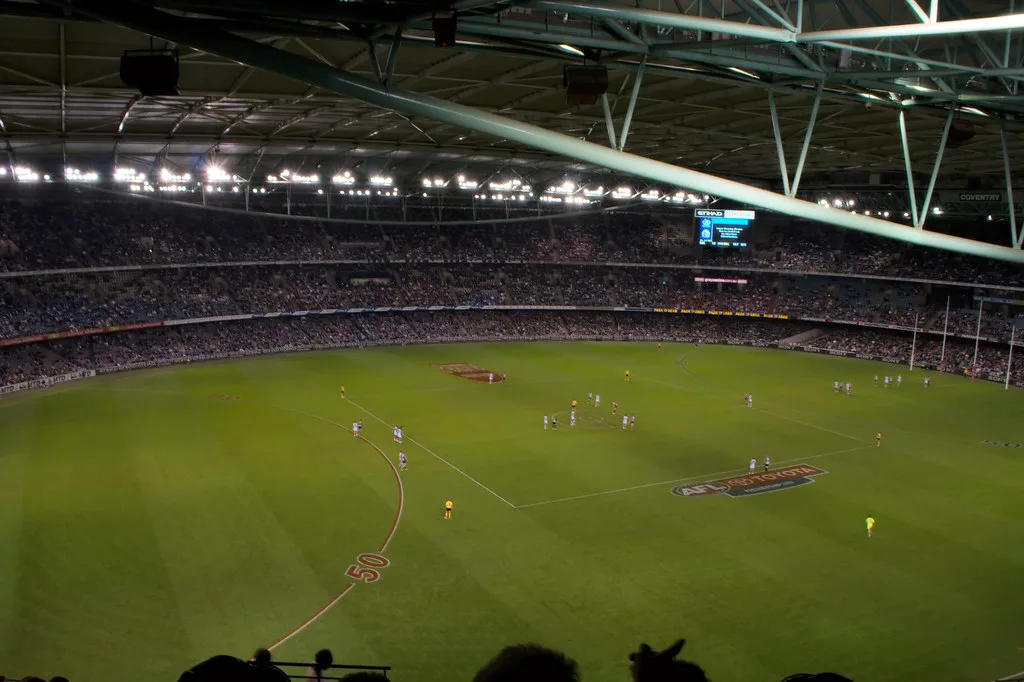
The Double-Header Dilemma
The Australian Football League (AFL) has officially confirmed it will continue to schedule dual Friday night matches throughout the current season, despite persistent criticism from the fan base. The league will roll out concurrent prime-time fixtures across the next two weekends, with additional head-to-head slots planned for later in the year, signaling a firm commitment to this controversial scheduling model.
Contextual Challenges in Modern Scheduling
The shift toward multiple Friday night games stems from the league’s recent expansion of its broadcast calendar. Over the past two years, the introduction of Thursday night football has fundamentally altered the weekly recovery cycle for professional players.
Because clubs are limited to a maximum of three five-day breaks per season under an agreement with the AFL Players Association, the league faces significant logistical hurdles. Scheduling matches in compressed windows requires complex juggling to ensure player welfare standards are met while satisfying broadcast partners.
The Fan Experience and Broadcast Conflict
For many supporters, the decision to broadcast two high-stakes matches simultaneously is a source of frustration. Critics argue that forcing fans to choose between two enticing games diminishes the viewing experience and fragments the audience.
Broadcasting data suggests that while the league aims to maximize engagement, the overlapping start times create a competitive environment for viewership. Supporters have voiced concerns on social media and through fan forums, suggesting that the “prime-time” feel is diluted when two matches compete for the same attention span.
Logistical and Commercial Pressures
The AFL maintains that these scheduling decisions are necessary to accommodate the demands of modern sports broadcasting. By utilizing Friday nights for double-headers, the league can fit more high-profile games into the weekend without extending the total length of the season.
Industry analysts point out that the financial stakes are immense. Television rights holders seek high-value content, and the current structure allows the AFL to provide more premium slots than a traditional single-game format would permit.
Expert Perspectives
Sports administration experts note that the AFL is walking a tightrope between broadcast revenue and fan satisfaction. While the league prioritizes the long-term sustainability of its broadcast deals, the friction with the match-going public remains a tangible risk to brand loyalty.
Data from recent rounds indicates that while total viewership numbers remain robust, the sentiment surrounding scheduling parity has fluctuated. The league’s reliance on the five-day break cap suggests that the current fixture congestion is a structural reality rather than a temporary experiment.
Future Implications for the League
The coming weeks will be critical as the league monitors viewership metrics and fan engagement levels during these dual-game windows. If the backlash continues to intensify, the AFL may face pressure to explore alternative configurations for the 2025 season.
Observers should watch for upcoming fixture announcements to see if the league attempts to stagger start times more effectively to prevent direct overlap. Whether the AFL can balance the commercial necessity of concurrent broadcasts with the demands of its traditional fanbase will define the success of this strategy in the long term.