





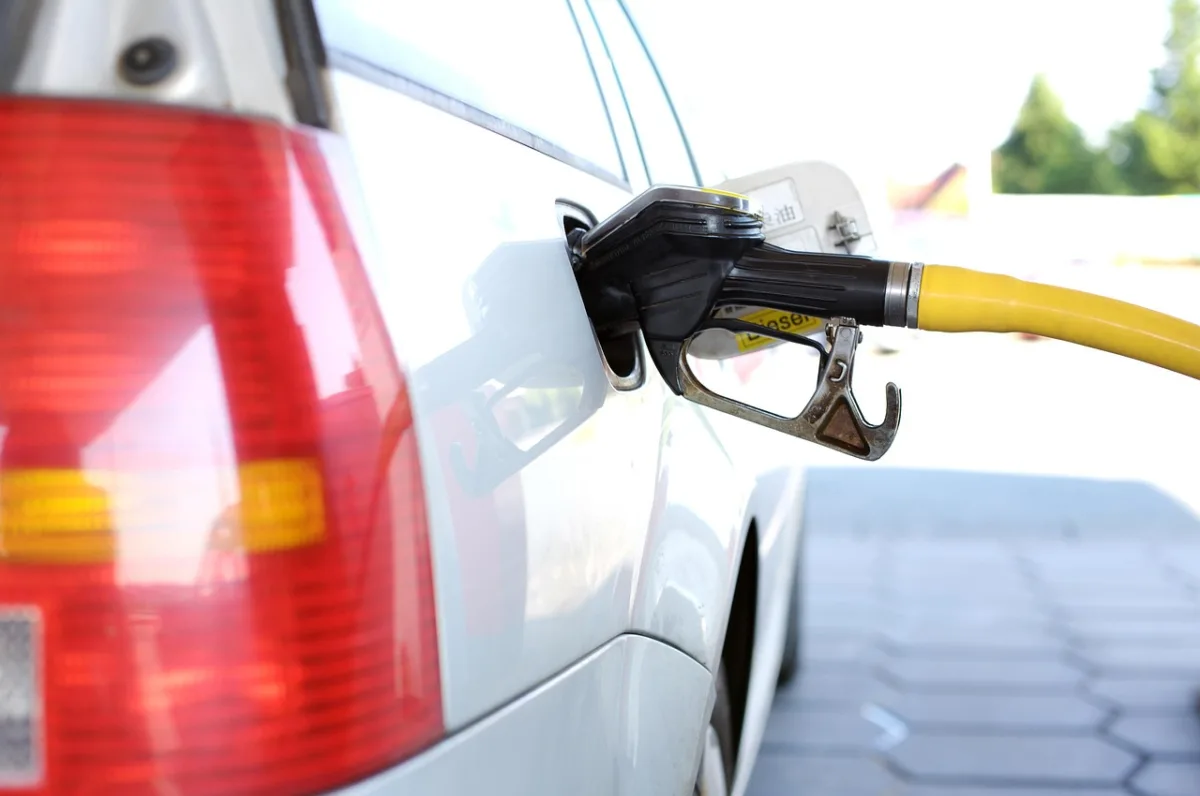
Rising Fuel Costs Across India
State-run oil marketing companies in India announced a uniform price hike of over 3% for petrol and diesel nationwide this week, marking the first significant adjustment following the conclusion of the general elections. The price increase, amounting to approximately Rs 3 per liter in major metropolitan areas, reflects a strategic shift by retailers to align domestic retail rates with volatile global crude oil benchmarks.
Context of the Adjustment
For months leading up to the national polls, fuel prices in India remained largely stagnant, despite fluctuations in international oil markets. Industry analysts note that state-owned retailers—Indian Oil Corporation, Bharat Petroleum, and Hindustan Petroleum—had been absorbing significant losses to maintain price stability during the election season. Reports suggest these firms were incurring daily losses of nearly Rs 1,600 crore, creating mounting pressure on their balance sheets.
Financial Burden and Retail Impacts
The decision to hike prices serves as a corrective measure for oil marketing companies aiming to recover losses accumulated during the period of suppressed pricing. By raising rates by 3%, these companies are attempting to restore margins that were eroded by the disparity between the cost of crude imports and the stagnant retail selling price. Consumers across the country are now seeing the immediate impact of this policy shift as fuel stations update their digital displays to reflect the new costs.
Political and Economic Reactions
The timing of the price hike has triggered sharp criticism from opposition political parties, who have labeled the move as a post-election burden on the common citizen. Leaders from the Trinamool Congress and other opposition factions have publicly condemned the government, suggesting the timing was calculated to avoid voter backlash during the campaign period. Conversely, government supporters argue that the adjustment is a necessary economic step to ensure the financial health of the state’s energy infrastructure.
Industry Implications
For the broader economy, the increase in fuel prices carries significant inflationary risks, as transportation costs for essential goods are tied directly to diesel prices. Logistics companies and transport unions have expressed concerns that higher operational costs could lead to a cascading effect on the price of food and manufactured commodities. Market analysts are now closely monitoring the Wholesale Price Index (WPI) to determine how quickly these fuel costs permeate through the supply chain.
Future Outlook
Looking ahead, market observers are watching to see if oil companies will adopt a more dynamic pricing model that tracks daily international crude trends, or if they will continue to implement periodic, staggered hikes. Investors will be focused on the quarterly earnings of state-run energy firms to assess the extent of their recovery. Meanwhile, consumers should anticipate continued volatility at the pumps as global energy markets remain sensitive to geopolitical tensions and production supply constraints.