



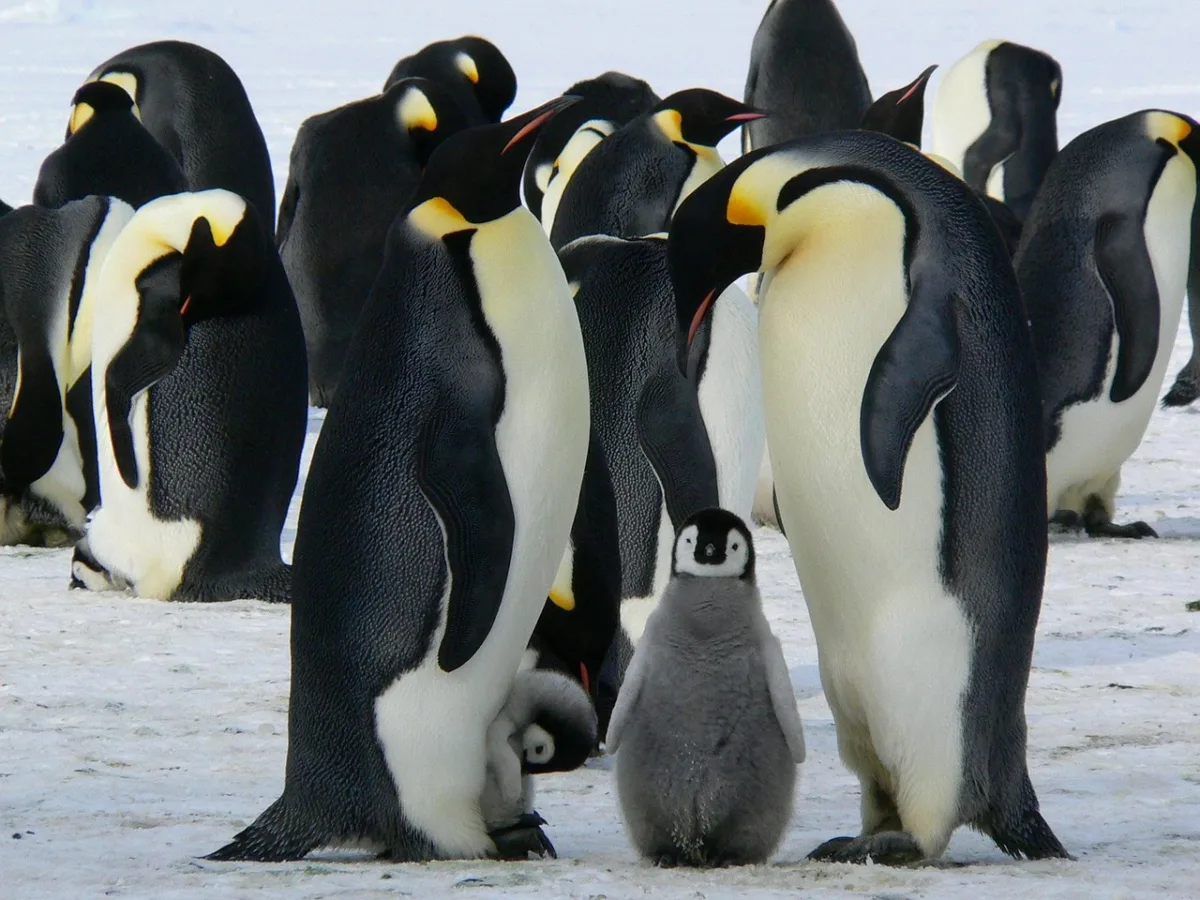
The Pueblo Zoo in Colorado officially welcomed a baby bison and an African penguin chick to its exhibits this week, marking a significant milestone in the facility’s ongoing commitment to wildlife conservation and species preservation. These new additions come as part of coordinated efforts with national Species Survival Plans (SSP), aiming to bolster the populations of animals currently facing habitat loss and environmental pressures in the wild.
Understanding the Species Survival Plan
The Pueblo Zoo operates under the accreditation of the Association of Zoos and Aquariums (AZA), which facilitates the Species Survival Plan program. This initiative manages the breeding of specific endangered or threatened species to ensure genetic diversity and long-term health within captive populations.
By managing these pairings across different institutions, the program prevents inbreeding and helps maintain a robust genetic pool. For the Pueblo Zoo, the arrival of the bison calf and the penguin chick represents months of careful observation and veterinary support to ensure the safety of both the offspring and their mothers.
The Critical Status of African Penguins
African penguins, native to the southwestern coast of Africa, have seen their wild population plummet due to overfishing, oil spills, and climate change. According to the International Union for Conservation of Nature (IUCN), the species is currently classified as endangered, with numbers continuing to decline in their natural habitat.
The zoo’s new chick is receiving specialized care from the avian team, who monitor the bird’s growth and socialization habits. Successful captive breeding provides a critical safety net for the species, allowing researchers to study their complex behaviors and health requirements in a controlled environment.
Bison Restoration Efforts
The arrival of the bison calf holds particular significance for North American conservation. Once numbering in the millions, bison were driven to the brink of extinction by the late 19th century through overhunting and habitat loss.
Today, the focus has shifted toward restoring bison to their historical ranges and maintaining genetic purity within herds. The Pueblo Zoo’s participation in the bison program serves an educational purpose, connecting visitors with the history of the American West and the ongoing necessity of large-mammal preservation in the Great Plains.
Operational and Educational Impacts
For visitors, the arrival of these animals serves as a tangible connection to global conservation success stories. The zoo has implemented new viewing protocols to ensure the animals remain undisturbed while allowing the public to observe their natural development.
Industry experts emphasize that zoos play a multifaceted role beyond display, serving as research hubs and education centers. Data collected from the growth of these specific animals will be shared with the broader scientific community to improve husbandry techniques across the country.
Future Outlook and Conservation Goals
Looking ahead, the Pueblo Zoo plans to continue its collaboration with the AZA to evaluate which species may be the next focus for their breeding programs. Observers should look for updates regarding the public debut of the penguin chick, which is expected once it reaches critical developmental milestones and completes its initial veterinary health assessments.
As these animals grow, the zoo will refine its enclosure strategies to mimic wild environments, encouraging natural behaviors that are essential for the species’ future. The broader conservation community will remain focused on the potential for these captive-bred individuals to eventually support wild populations, should habitat restoration efforts in their native ranges prove successful.