






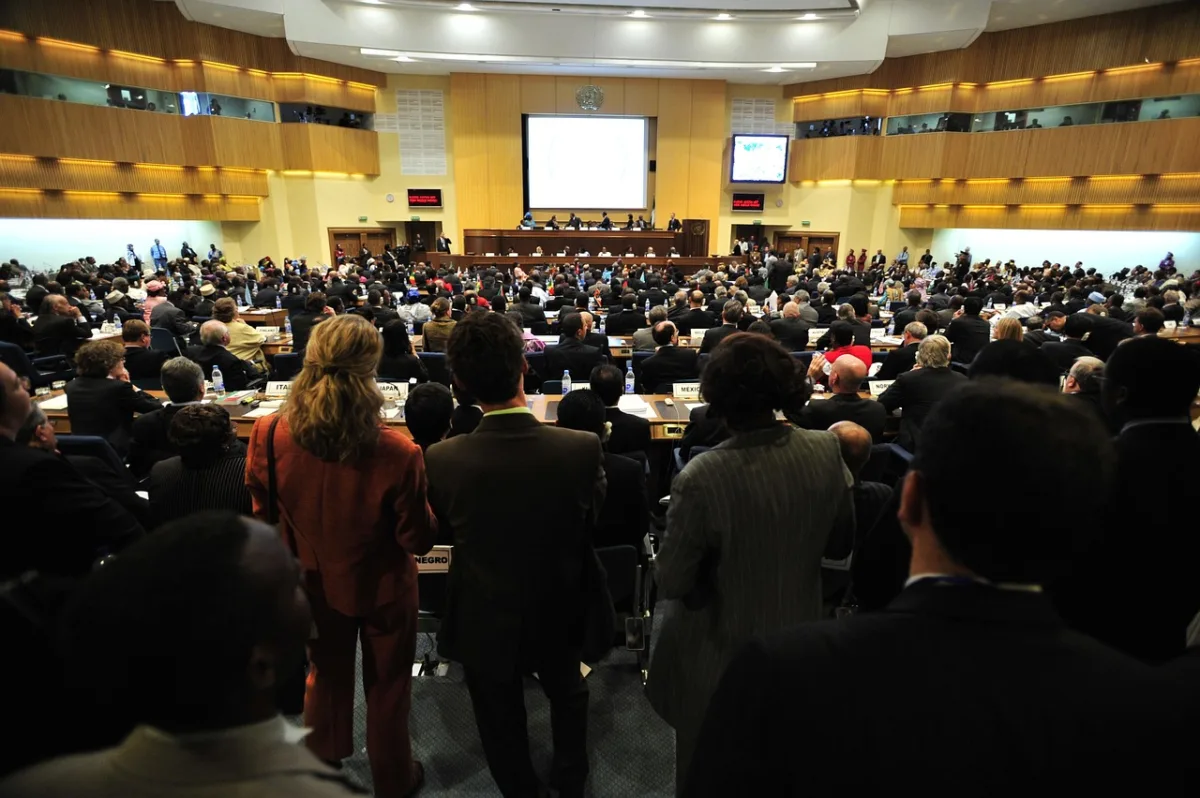
Legendary actor and filmmaker Kamal Haasan has issued a urgent call to the Indian film industry, urging studios, producers, and labor unions to forge a unified front in response to mounting global economic pressures. Speaking at a recent industry forum, Haasan emphasized that the ongoing geopolitical instability, particularly the crisis in West Asia, poses a significant threat to production budgets and market stability, necessitating immediate strategic cooperation to protect the vulnerable workforce.
The Shadow of Global Instability
The film industry operates as a complex, interconnected ecosystem that is highly sensitive to fluctuations in fuel prices, logistics, and international distribution costs. As the conflict in West Asia threatens global supply chains and energy markets, the cost of high-budget film production is expected to rise sharply in the coming quarters.
Historically, the entertainment sector has often been viewed as recession-proof, but current inflationary trends suggest otherwise. Rising costs for raw materials, equipment rentals, and international location shoots are placing unprecedented strain on production houses already navigating a post-pandemic recovery phase.
Protecting the Collective Workforce
At the heart of Haasan’s appeal is the protection of the film industry’s daily wage earners and technical crew members. These individuals, who form the backbone of cinema production, are typically the first to suffer when studios implement cost-cutting measures or pause projects to mitigate financial risk.
Haasan argues that rather than individual entities cutting corners, the industry must adopt a collective bargaining and resource-sharing model. This approach aims to streamline production timelines and optimize resource allocation, ensuring that financial austerity does not result in job losses or salary reductions for those at the ground level.
Expert Perspectives and Economic Realities
Financial analysts tracking the media and entertainment sector note that production costs have increased by nearly 15% to 20% over the last two fiscal years due to inflation. Industry bodies are currently evaluating the impact of these trends, with many calling for a standardized code of conduct regarding production insurance and emergency contingency funds.
“The resilience of our industry depends on the strength of our weakest link,” one industry consultant stated. “If the creative giants and the business leaders do not collaborate on a safety net, the volatility of the global market will inevitably erode the stability of the entire sector.”
Implications for the Future
For the average filmmaker, these developments suggest a shift toward more fiscally conservative planning and a greater emphasis on local production capabilities. Studios are likely to favor projects that minimize reliance on volatile international markets and prioritize domestic talent and infrastructure.
Looking ahead, stakeholders should monitor potential policy adjustments from film federations regarding labor contracts and social security provisions for crew members. The coming months will be a critical test of whether the industry can transcend competitive rivalries to establish a sustainable, crisis-proof framework. Observers will be watching to see if major studios adopt Haasan’s call for unity or if the industry remains fragmented in its approach to the looming economic headwinds.


