






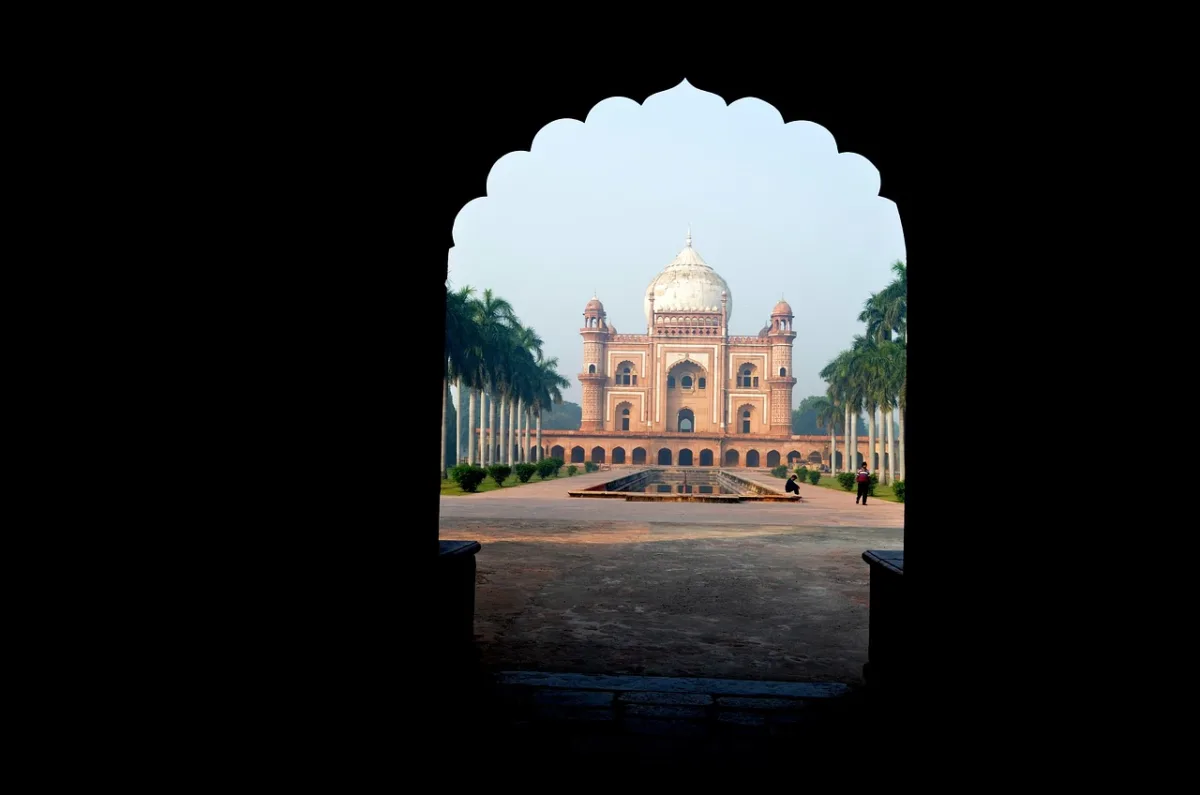
A Legacy Reclaimed at Safdarjung Tomb
On the occasion of his birth centenary, a grand musical tribute at Delhi’s historic Safdarjung Tomb honored the enduring legacy of Pandit Chatur Lal, the pioneering percussionist who first introduced the tabla to global audiences. The event, held this week, brought together classical musicians and cultural historians to commemorate the life of a virtuoso whose career was tragically short yet profoundly transformative for Indian classical music.
Pioneering the Global Soundscape
Born in 1925, Pt. Chatur Lal emerged during a period when Indian classical music remained largely confined to domestic circles. In the 1950s, he became the first Indian percussionist to perform extensively in the West, collaborating with icons such as Yehudi Menuhin and Ravi Shankar. His ability to blend traditional rhythmic structures with international improvisational styles effectively bridged the gap between Eastern and Western musical traditions.
Contextualizing His Musical Genius
To understand the magnitude of his impact, one must consider the era of his rise. Before his international tours, the tabla was often relegated to an accompanying role in Indian ensembles. Pt. Chatur Lal elevated the instrument to the center stage, emphasizing its melodic potential and rhythmic complexity. His performances were characterized by a unique blend of technical precision and charismatic stage presence, which fascinated foreign audiences and paved the way for the global fusion movement.
Expert Perspectives on His Influence
Musicologists point to his 1950s recordings as foundational texts for modern percussionists. According to archival records from the Sangeet Natak Akademi, his collaboration with Western instrumentalists helped demystify the complex tala systems of India for global listeners.


