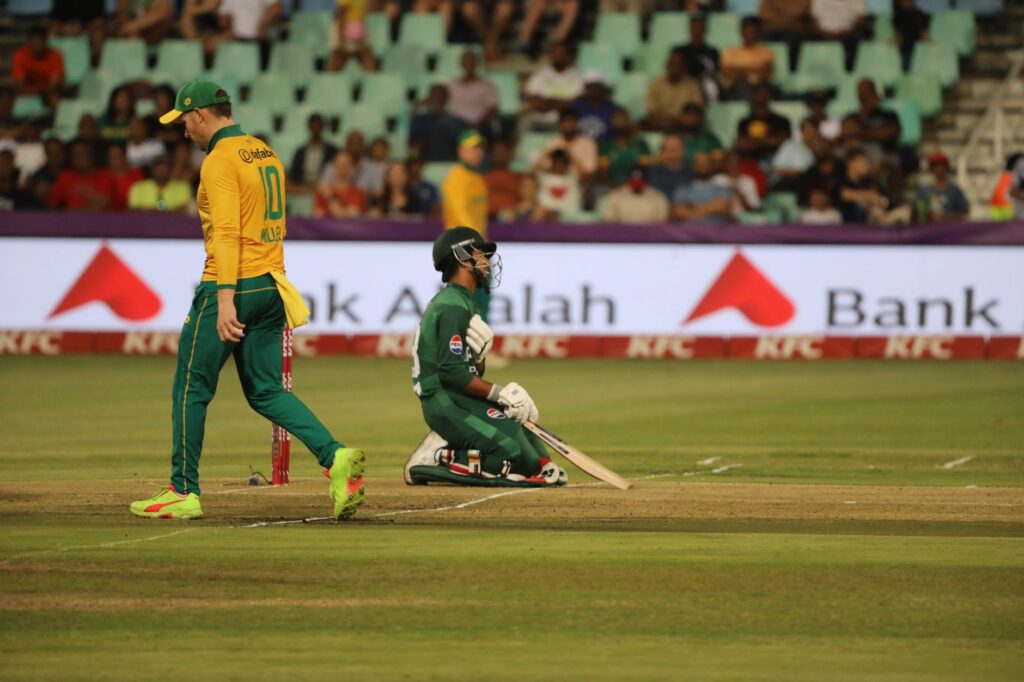

The landscape of international cricket often brings unexpected administrative decisions that leave players and coaching staff surprised. Recently, a major talking point emerged regarding the Pakistan Cricket Board and a sudden directive concerning a group of national squad members.
Surprise Announcement Shakes the Camp
The Pakistan cricket team faced an unexpected development when the cricket board announced the return of seven players from the current tour. This sudden alteration in squad composition raised immediate questions regarding the planning and communication between the board members and the team management stationed abroad.
Babar Azam Addresses the Media
Addressing the situation publicly, senior player Babar Azam admitted that the development came as a complete surprise to him as well. Speaking to journalists, Azam shared his perspective on the abrupt directive issued by the administration.
It was news to me as well, Babar Azam stated when questioned about the sudden recall of the seven cricketers.
The acknowledgment from one of the team’s most prominent figures highlighted a potential communication gap within the cricketing hierarchy. Players often rely on clear channels of information to maintain focus on upcoming matches, making sudden administrative shifts challenging to navigate.
Implications for Team Dynamics
Changes of this magnitude can significantly impact team morale and strategic preparation. When key decisions are made without prior consultation or transparent communication with the senior leadership group, maintaining a unified dressing room environment becomes an added responsibility for the team captains and senior members.
Looking Ahead at Future Assignments
As the national team prepares for its upcoming fixtures, the focus must eventually return to the playing field. Managing off-field distractions is a critical skill for modern athletes, especially when representing their country on the global stage under intense public scrutiny.
The recent events underscore the ongoing need for better coordination between sports boards and team management. Ensuring that all stakeholders remain on the same page will be vital for future tours and the overall stability of the national cricket setup.