





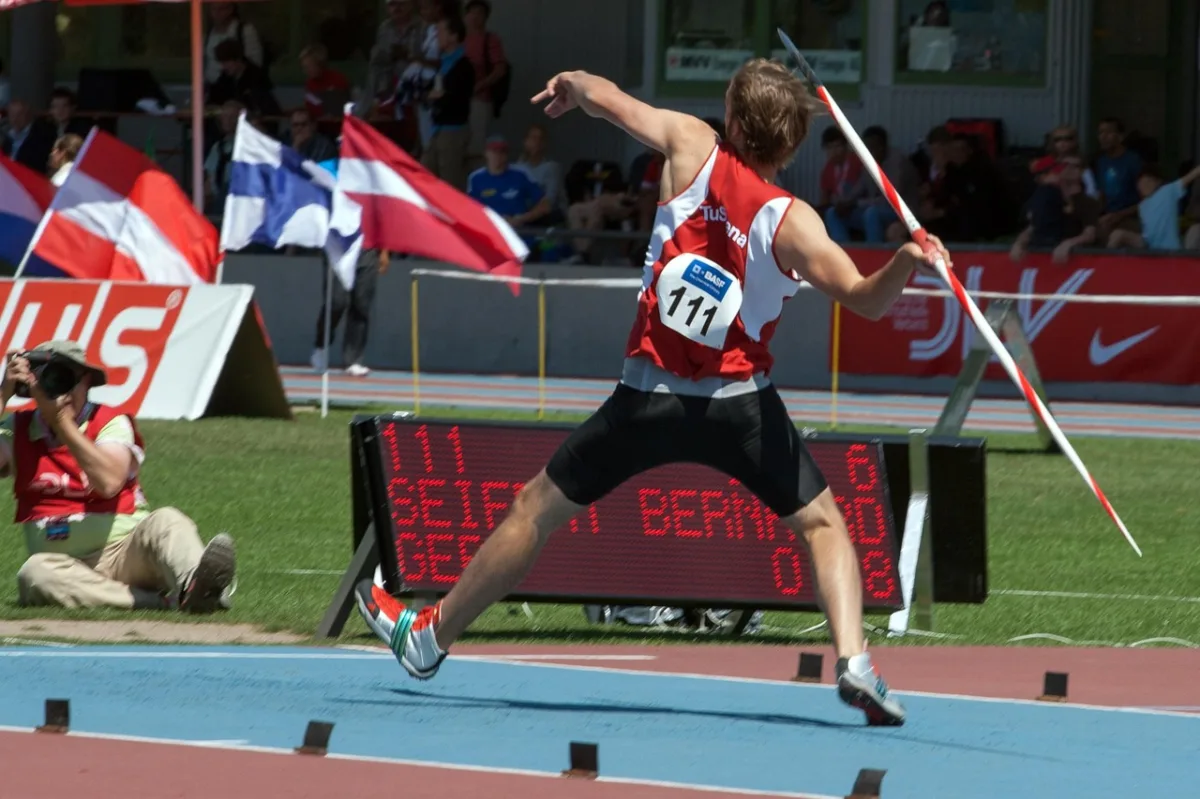
Reclaiming the Global Stage
Olympic champion Neeraj Chopra, speaking at a recent fitness event in Bengaluru, has officially reclaimed his position as the world number one in the men’s javelin throw. The Indian athlete, whose career has been defined by a rapid ascent to international stardom, attributed his recent success to a relentless focus on technique and the physical conditioning required to maintain elite performance levels.
The Road to the 90-Metre Milestone
For years, the 90-metre mark has served as the unofficial barrier distinguishing the world’s elite javelin throwers from the sport’s legends. Chopra recently breached this threshold, a feat he describes as the culmination of years of technical refinement and psychological preparation.
The pursuit of this specific distance required a complete overhaul of his throwing mechanics and a more rigorous approach to recovery. By analyzing biomechanical data and adjusting his release angle, Chopra managed to find the necessary efficiency to maximize his explosive power.
Roots of Resilience
Chopra credits his upbringing in the small village of Khandra, located in the Panipat district of Haryana, as the primary source of his competitive drive. Growing up in a farming family instilled a work ethic that prioritized patience and endurance over immediate gratification.
According to sports psychologists, athletes from rural, agrarian backgrounds often exhibit higher thresholds for physical discomfort and mental fatigue. Chopra’s ability to remain composed under the immense pressure of global competitions is frequently cited as a byproduct of this early life experience.
Analyzing the Competitive Landscape
The men’s javelin field is currently experiencing a period of unprecedented intensity, with several athletes regularly clearing the 88-metre mark. Data from World Athletics suggests that the average winning distance in major championships has increased by nearly 3% over the last four years.
This tightening of the competitive gap means that minor technical errors in the run-up or release can result in significant drops in standing. Chopra’s return to the top spot highlights his ability to adapt to these shifting standards while maintaining his consistency across the entire season.
Industry Implications and Future Outlook
For the broader sports industry, Chopra’s trajectory underscores the growing importance of sports science in track and field disciplines. Organizations are increasingly investing in high-performance training centers that integrate wearable technology and real-time movement analysis to prevent injury and optimize output.
As the international calendar shifts toward upcoming world championships, the focus for Chopra will be on maintaining his current physical trajectory while managing the cumulative fatigue of a high-stakes season. Observers will be watching closely to see if he can further extend his personal best and solidify his dominance in a field that is becoming increasingly crowded with new talent.