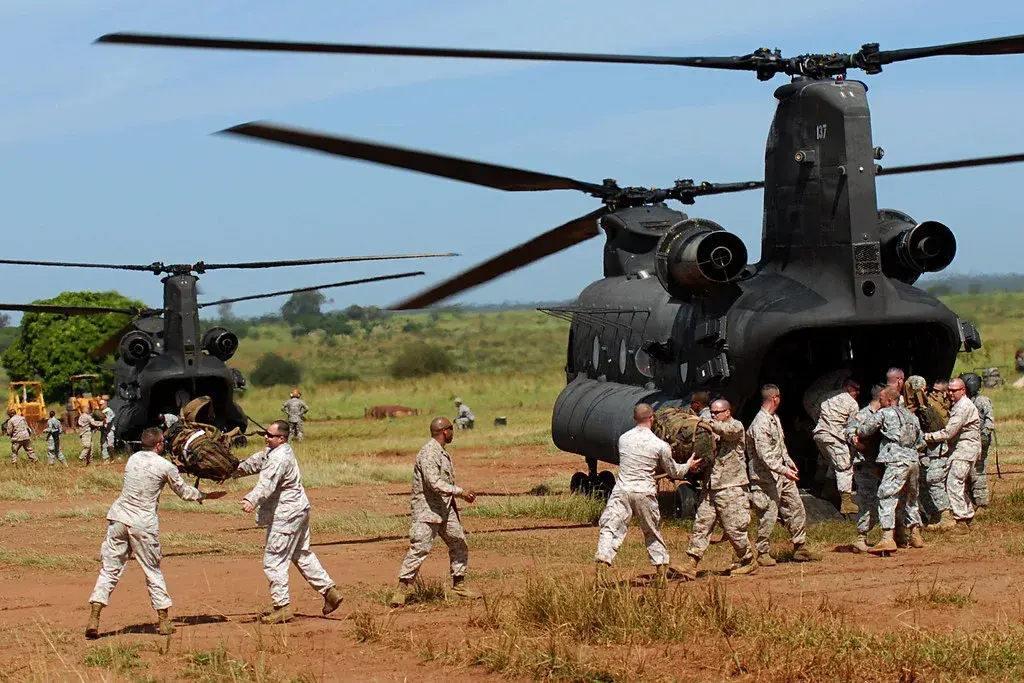






U.S. and Nigerian military forces conducted a coordinated, high-stakes operation late Friday, resulting in the death of Abu-Bilal al-Mainuki, a high-ranking leader within the Islamic State’s West Africa affiliate. President Donald Trump confirmed the successful neutralization of the militant commander in a late-night social media post, marking a significant tactical shift in the ongoing counter-terrorism efforts across the Sahel region.
The Strategic Landscape of the Sahel
The operation targeted al-Mainuki, who has been instrumental in coordinating insurgent activities and expanding the Islamic State’s reach within Nigeria’s volatile northeastern territories. For years, the region has served as a primary theater for groups like ISWAP and Boko Haram, which have displaced millions and destabilized local governance.
This joint mission underscores a deepening security partnership between Washington and Abuja. While U.S. involvement in African counter-terrorism has historically focused on intelligence, drone surveillance, and training, recent operations indicate a more proactive approach to neutralizing leadership figures directly responsible for regional violence.
Operational Dynamics and Regional Security
Military analysts suggest that the removal of a figure as entrenched as al-Mainuki disrupts the organizational hierarchy of the insurgency. By targeting the command structure, coalition forces aim to diminish the ability of the Islamic State to execute complex, large-scale attacks on both civilian and military targets.
Data from the Armed Conflict Location & Event Data Project (ACLED) indicates that insurgent violence in Nigeria remains a critical threat to regional stability. The integration of U.S. intelligence assets with Nigerian ground forces provides a tactical advantage, allowing for precision strikes in remote areas where militants previously operated with relative impunity.
Broader Implications for Global Counter-Terrorism
For the international community, this operation signals a renewed focus on the Sahel as a critical front in the global fight against extremism. Experts note that as the Islamic State loses its territorial foothold in the Middle East, its affiliates in Africa have become increasingly vital to the group’s overarching propaganda and recruitment strategies.
The successful collaboration between U.S. and Nigerian forces may serve as a blueprint for future engagement in the region. By leveraging local knowledge alongside advanced U.S. technological capabilities, coalition forces can better address the fluid, asymmetric nature of modern insurgencies.
Future Outlook and Regional Stability
Observers are now watching for potential retaliatory actions from the Islamic State’s West African cell, which often attempts to demonstrate resilience following the loss of high-value targets. The immediate focus for military planners remains the stabilization of the region to prevent a power vacuum that could be exploited by rival factions or splinter groups.
Long-term success in the region will likely depend on more than just kinetic operations; it will require sustained investment in regional governance and economic development. As the dust settles from this latest operation, the international community will look for signs of whether this tactical victory translates into a durable reduction in regional violence.