




Strategic Setbacks and Equipment Degradation
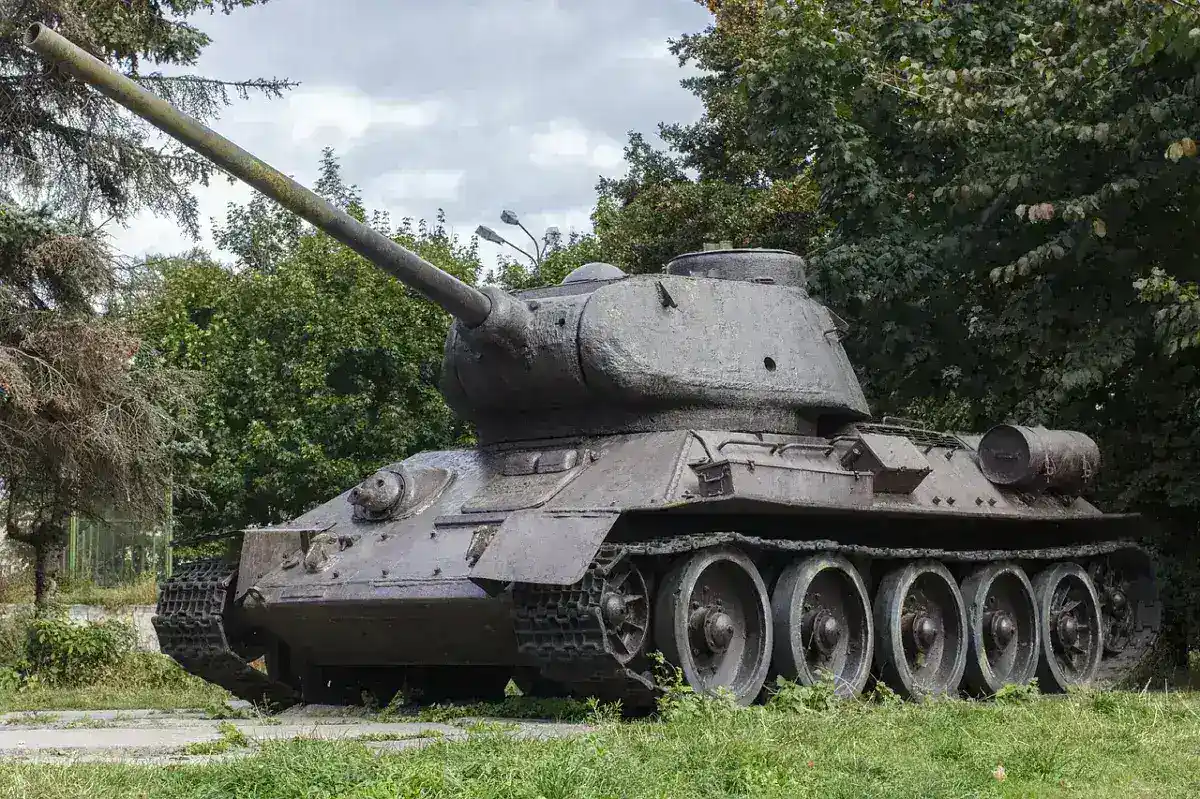
Western intelligence officials reported this week that the Russian military is increasingly relying on outdated, post-World War II-era armored vehicles to sustain its ongoing operations in Ukraine. This reliance on legacy equipment, such as T-54 and T-55 tanks, signals a significant strain on Moscow’s industrial capacity and suggests that Russia’s modern hardware reserves are depleting rapidly under the pressure of the protracted conflict.
The assessment comes as Russian President Vladimir Putin made an unannounced visit to military command posts in the Kherson and Luhansk regions. The visit, intended to boost morale and assess the state of the front lines, underscores the Kremlin’s continued focus on asserting control over occupied territories despite mounting logistical and technological challenges.
The Geopolitical Context of the Conflict
The conflict in Ukraine, which began in February 2022, has fundamentally altered the European security landscape. Russia’s initial expectations of a rapid victory were thwarted by stiff Ukrainian resistance and a robust influx of Western military aid. As the war of attrition continues, the disparity between Russia’s technological ambitions and its field realities has become a primary focal point for international observers.
Military analysts note that the deployment of older tanks reflects a broader trend of equipment degradation. While these vintage machines lack the sophisticated fire control systems and reactive armor of modern counterparts, they still provide a level of mobile firepower that Russian forces consider essential for defensive trench warfare. However, the move is widely viewed by Western defense agencies as a sign of desperation rather than tactical innovation.
Diplomatic Tensions and the Gershkovich Case
Parallel to the military developments, legal and diplomatic tensions have intensified following the detention of Wall Street Journal reporter Evan Gershkovich. A Moscow court recently denied an appeal by the journalist to overturn his pre-trial detention, keeping him behind bars on espionage charges that the United States and the newspaper vehemently reject.
The legal proceedings against Gershkovich have drawn sharp criticism from the international community, with the U.S. State Department labeling him as ‘wrongfully detained.’ His appearance in court, captured in brief footage, highlighted the deteriorating state of relations between Moscow and Washington, as the Kremlin continues to utilize high-profile arrests as a lever in its geopolitical standoff with the West.
Industry and Global Implications
The degradation of Russia’s military hardware has profound implications for the duration and intensity of the conflict. As Russia reaches deeper into its Soviet-era stockpiles, the ability of its forces to conduct large-scale offensive maneuvers is increasingly compromised. This shift forces the Russian military to adopt more defensive postures, likely extending the timeline of the conflict as both sides settle into a grueling war of attrition.
For the defense industry, the reliance on legacy equipment highlights the critical importance of supply chain resilience and the rapid production of modern munitions. Western nations are now accelerating their own industrial output to replenish stockpiles, recognizing that the current conflict has depleted resources at a rate not seen in decades.
Looking ahead, observers are closely monitoring whether the continued use of inferior equipment will lead to a collapse in morale among Russian conscripts or if the Kremlin will seek alternative suppliers to fill the gap. Furthermore, the handling of the Gershkovich case remains a volatile variable, with analysts warning that the intersection of military failure and domestic repression could lead to increasingly unpredictable behavior from the Russian leadership in the coming months.