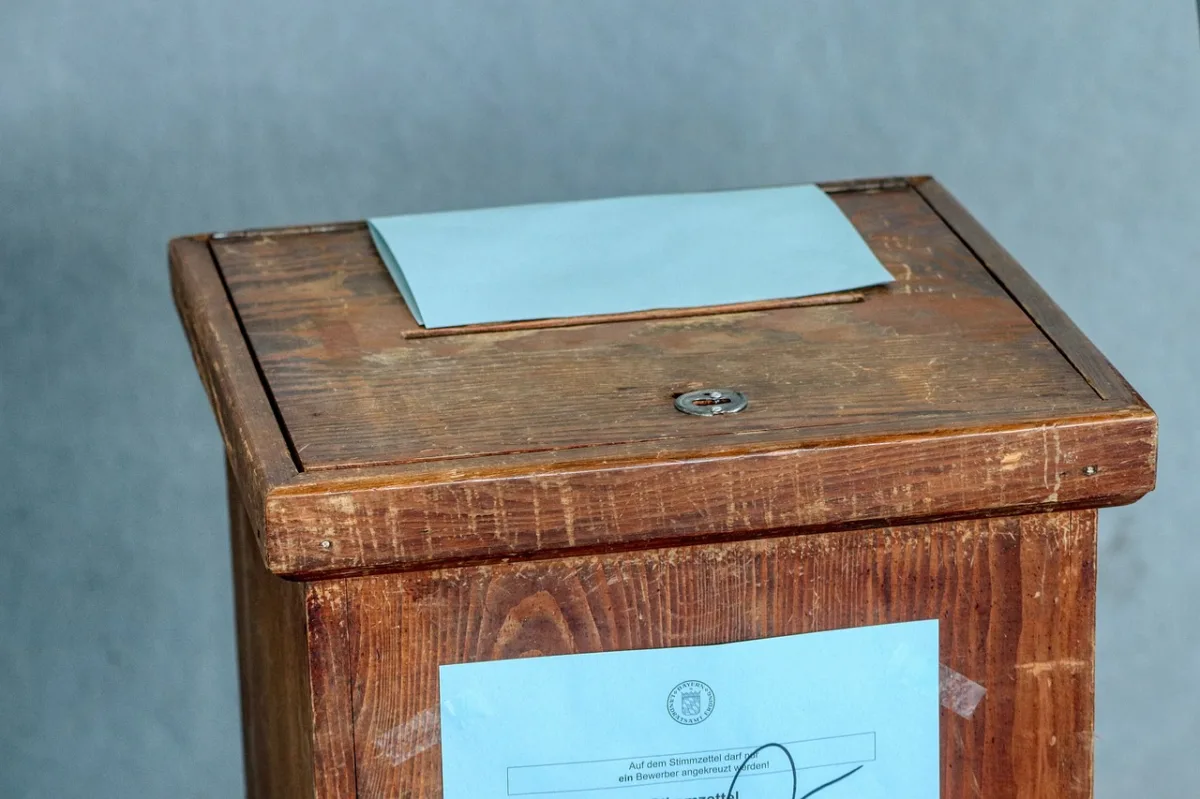
Palestinian President Mahmoud Abbas cast his vote today in Ramallah during the opening of decisive internal elections for the Fatah movement, a political process that carries significant weight for the future of the Palestinian Authority. The elections, held amid heightened regional instability, focus on restructuring the party’s leadership committees, sparking widespread speculation regarding the succession plan for the 90-year-old leader who has held power for nearly two decades.
The Context of Fatah’s Internal Dynamics
Fatah has served as the backbone of the Palestinian political establishment since its founding, maintaining a dominant role in the West Bank-based Palestinian Authority. As the party grapples with aging leadership and stagnant political institutions, these elections are viewed as a critical opportunity to rejuvenate its ranks and solidify its internal cohesion.
The movement currently faces immense pressure from both external diplomatic challenges and internal criticism regarding governance and democratic legitimacy. These elections are designed to address these concerns by surfacing a new generation of leaders who may eventually take the mantle of the Palestinian national movement.
The Succession Question
For many observers, the primary subtext of these elections is the eventual departure of President Abbas. Having served as the head of the Fatah movement and the Palestinian Authority since 2005, Abbas has not officially designated a successor, leading to intense maneuvering among top-tier party officials.
Analysts suggest that the outcome of these elections will signal which figures currently hold the most influence within the Central Committee. Candidates who secure high vote counts may position themselves as frontrunners in the inevitable race to lead the Palestinian political project during an era defined by deep geopolitical shifts.
Expert Perspectives and Political Realities
Political analysts tracking the event note that the internal voting process is as much about party survival as it is about individual ambition. According to regional policy experts, the movement’s ability to remain relevant in the eyes of the Palestinian public depends on its capacity to demonstrate internal unity despite competing factions.
Data from recent polling conducted by the Palestinian Center for Policy and Survey Research suggests that public confidence in the current leadership remains at historic lows. This climate puts immense pressure on the newly elected officials to deliver tangible political results or risk further erosion of their base.
Industry and Regional Implications
For international stakeholders, the outcome of the Fatah elections will determine the tone of future negotiations and regional security cooperation. The movement’s leadership choices will directly influence how the Palestinian Authority manages its relationships with neighboring states and global powers.
As the ballots are counted, observers are watching for shifts in policy direction, particularly regarding the potential for renewed diplomatic engagement. The primary indicator to watch in the coming weeks will be the composition of the new leadership board and whether it reflects a consensus among the older guard or a clear opening for younger, reform-minded figures to exert influence on the Palestinian political trajectory.