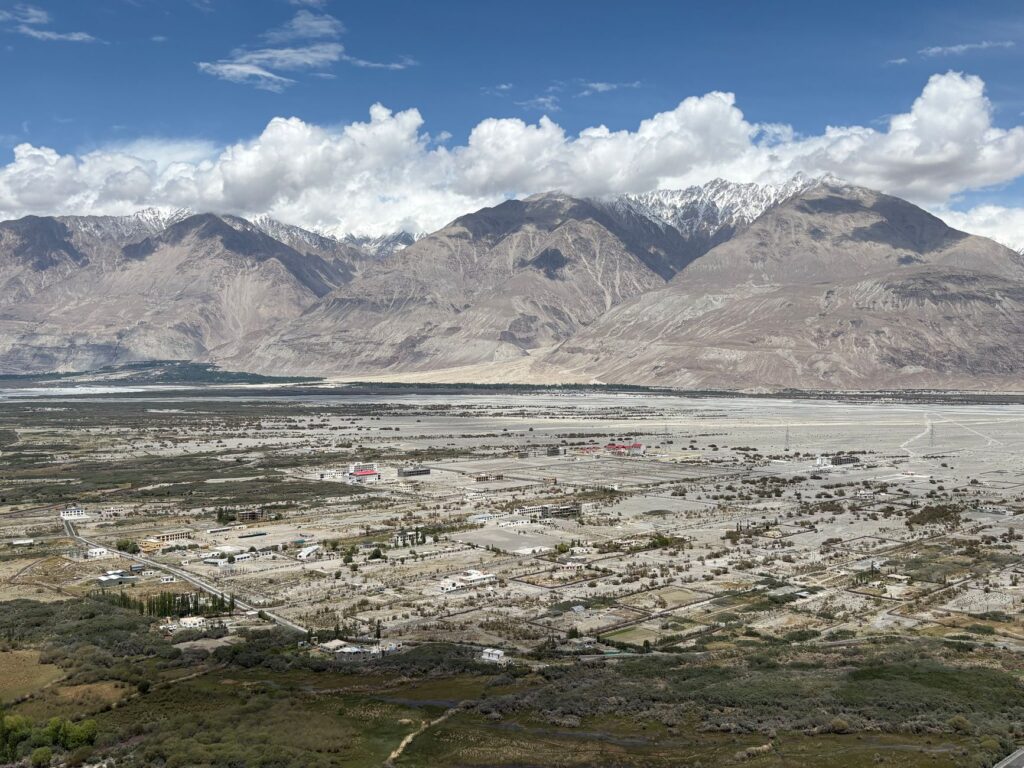

Ladakh Tourism Boom
Ladakh has quickly emerged as one of the most sought-after destinations for travelers from around the globe. The remote Himalayan region has witnessed a remarkable surge in visitor arrivals, capturing the attention of adventure seekers, nature lovers, and cultural explorers alike. This growing popularity reflects a broader shift in travel preferences toward high-altitude landscapes and unique cultural experiences.
Improved Infrastructure and Accessibility
One of the primary catalysts for the recent rise in tourism is the continuous improvement in regional infrastructure. Enhanced road connectivity, better maintenance of mountain passes, and increased flight frequencies to Leh have made the remote terrain much more accessible. Travelers who once hesitated due to difficult transit conditions can now reach the region with greater ease and confidence.
Changing Travel Preferences
Modern travelers increasingly seek destinations that offer isolation from urban stress, pristine natural beauty, and outdoor adventure. Ladakh delivers on all fronts with its dramatic landscapes, turquoise high-altitude lakes, and rugged mountain ranges. The desire for off-the-beaten-path experiences has naturally channeled a larger volume of tourists toward the high desert.
Economic Impact on Local Communities
The influx of visitors has brought substantial economic opportunities to local residents. Homestays, local transport providers, and traditional handicraft vendors have all seen increased business activity. This economic growth supports families throughout the region, encouraging sustainable local entrepreneurship and hospitality services.
Balancing Tourism and Preservation
Despite the positive economic benefits, the rising footfall brings distinct challenges, particularly concerning environmental sustainability and waste management. Local authorities, community leaders, and visitors are increasingly focusing on responsible travel practices to protect fragile ecosystems. Preserving the delicate balance between welcoming travelers and safeguarding natural beauty remains a top priority for the region’s future.
Looking Ahead
As interest in high-altitude exploration continues to climb, Ladakh stands at an important crossroads. By prioritizing sustainable initiatives and thoughtful management, the region can maintain its appeal for generations to come, ensuring that the unique charm of the landscape remains untouched by rapid commercialization.