



New Search Strategy Initiated
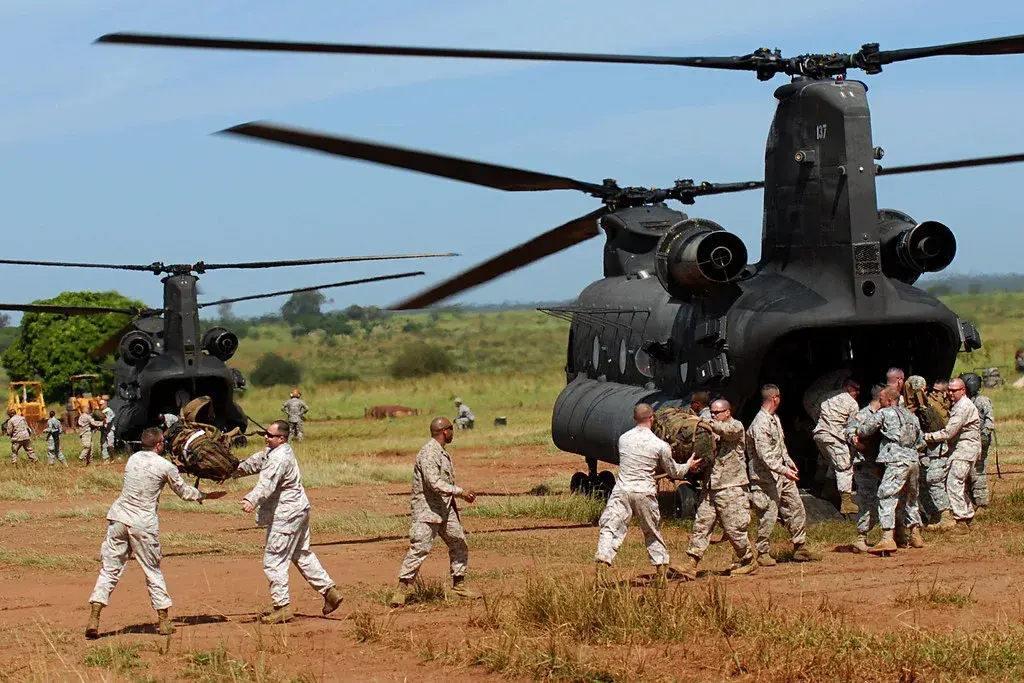
Three specialized Finnish divers arrived in Male, Maldives, on Sunday to develop a revised recovery plan for four Italian divers presumed dead inside a submerged cave system. The mission follows the suspension of initial efforts after a Maldivian military diver tragically lost his life during a high-risk extraction attempt.
The four Italian nationals went missing last Thursday while exploring an underwater cave in the Vaavu Atoll. According to official reports from Italy’s Foreign Ministry, the group was operating at a depth of approximately 50 meters, significantly exceeding the standard 30-meter recreational diving limit recognized in the Maldives.
Context of the Vaavu Atoll Incident
The Maldives is a world-renowned destination for scuba enthusiasts, but the geography of the Vaavu Atoll presents unique hazards. The region is known for its intricate network of deep caves and strong currents that require specialized technical training and equipment beyond standard recreational certifications.
The search operation faced a critical setback on Saturday when Mohamed Mahudhee, a member of the Maldivian National Defense Force, succumbed to decompression sickness. His death prompted authorities to pause the search to prioritize the safety of rescue personnel and reassess the tactical approach to the site.
Technical Challenges and Expert Intervention
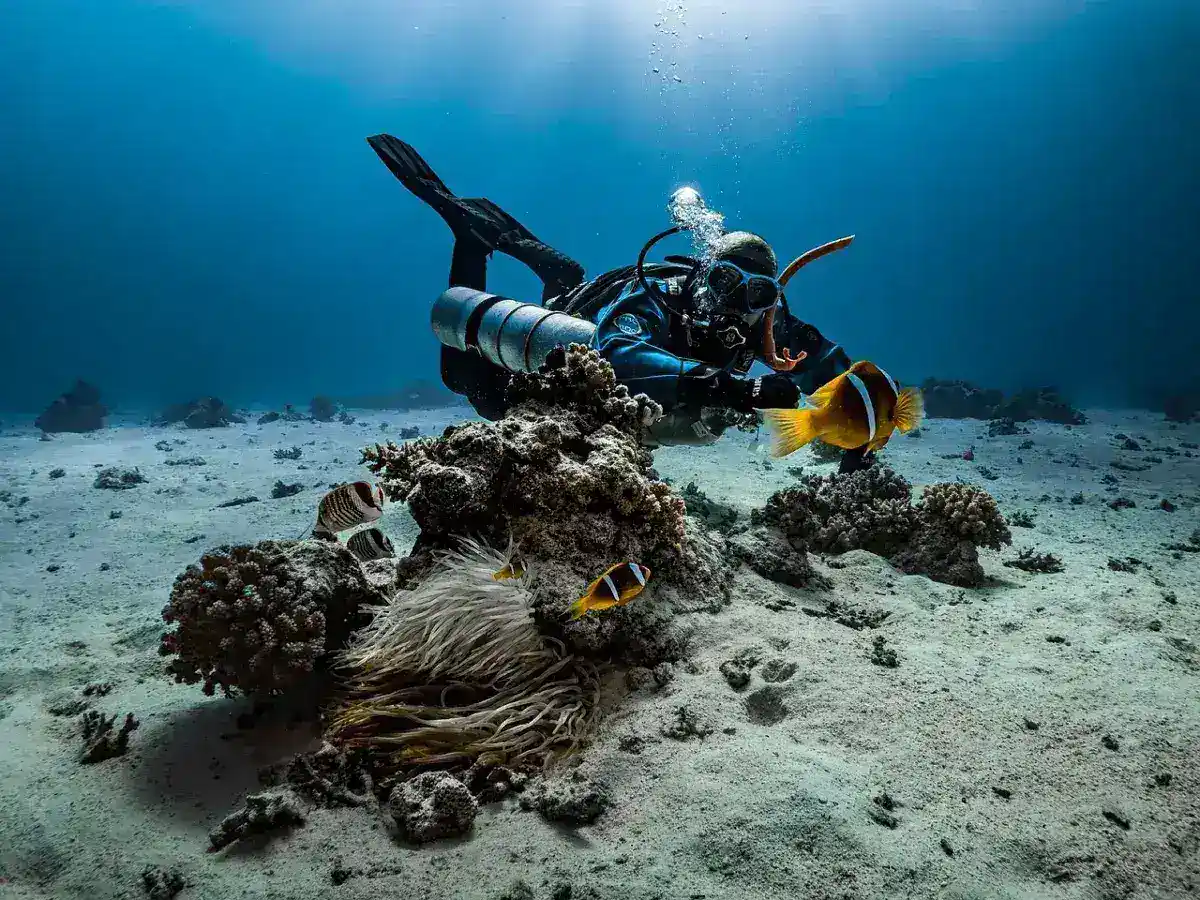
The arrival of the Finnish team marks a shift toward specialized technical recovery. Technical diving involves depths, durations, and environments that require decompression stops and advanced breathing gas mixtures, which are essential when navigating complex, overhead environments like cave systems.
Experts note that cave recovery operations are among the most difficult tasks in professional diving. “The combination of extreme depth, limited visibility, and the physical constraints of a cave structure creates a scenario where even the most experienced teams must exercise extreme caution,” noted a maritime safety consultant familiar with the region.
Data from the Professional Association of Diving Instructors (PADI) suggests that while recreational diving is statistically safe, incidents involving cave penetration without appropriate cave-diving certification have a high correlation with fatalities. The current incident highlights the risks inherent in deep-water exploration without adequate support infrastructure.
Implications for Diving Tourism
The tragedy has sparked a conversation regarding safety protocols and enforcement in the Maldives’ burgeoning diving tourism sector. Industry analysts suggest that local authorities may face pressure to implement stricter monitoring of deep-water excursions, particularly for independent groups operating outside of guided resort programs.
For the diving community, the incident serves as a stark reminder of the limitations of recreational equipment and training. Future updates from the Finnish team will likely focus on the use of remotely operated vehicles (ROVs) to assess the stability of the cave before further human-led recovery attempts are made. Observers will be watching closely to see if international technical standards are integrated more formally into local search and rescue mandates following the completion of this mission.