




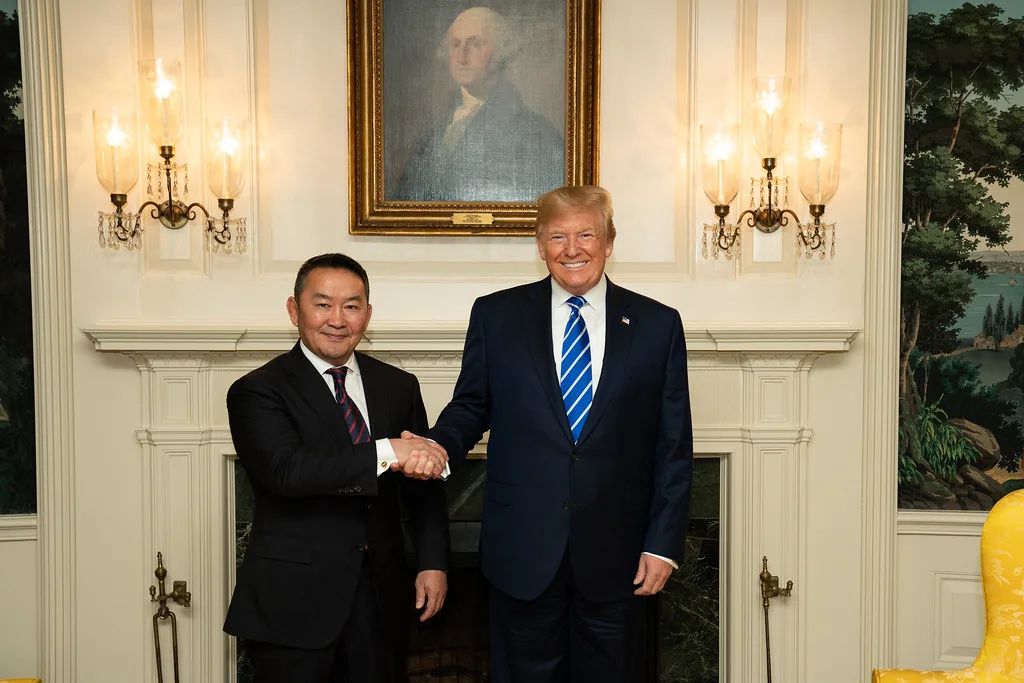
Pakistan’s Interior Minister Mohsin Naqvi met with Iranian President Masoud Pezeshkian in Tehran this week to discuss critical security cooperation and the strengthening of bilateral ties between the two neighboring nations. The high-level dialogue, held at the presidential palace, focused on stabilizing the volatile border region and enhancing intelligence sharing to combat cross-border militancy.
Contextualizing Pakistan-Iran Relations
The meeting occurs against a backdrop of complex geopolitical dynamics and periodic security challenges along the shared 900-kilometer border. Both nations have historically navigated a delicate balance between economic cooperation and regional security concerns, often complicated by the influence of global powers and localized insurgent activities.
Strategic Security Cooperation
During the discussions, Minister Naqvi emphasized Pakistan’s commitment to regional stability, advocating for a coordinated approach to border management. The dialogue addressed the movement of illicit goods and the presence of armed groups that utilize the rugged, porous terrain to evade law enforcement agencies on both sides.
President Pezeshkian highlighted the necessity of deepening institutional trust to prevent external actors from exploiting gaps in security coordination. Both leaders reviewed existing protocols for border security and explored new frameworks for real-time communication between their respective interior ministries.
Economic and Diplomatic Implications
Beyond security, the talks touched upon the potential for increased border trade, which remains a cornerstone of the regional economy. Enhanced security measures are viewed as a prerequisite for the development of border markets, which provide essential livelihoods for local populations in Sistan-Baluchestan and Balochistan.
Experts suggest that the meeting signifies a strategic pivot toward diplomatic de-escalation following periods of heightened tension earlier this year. According to regional security analysts, the ability of both states to maintain consistent communication channels is essential for preventing localized incidents from spiraling into diplomatic crises.
Future Trajectories
The immediate focus for both administrations will be the operationalization of the agreements reached during the Tehran visit. Observers will be watching for tangible outcomes, such as the establishment of joint border committees and the implementation of synchronized patrols.
The long-term success of this engagement depends on the ability of both countries to address underlying socio-economic grievances in their respective border provinces. Future developments in this bilateral relationship will likely serve as a barometer for regional stability in South and Central Asia.