





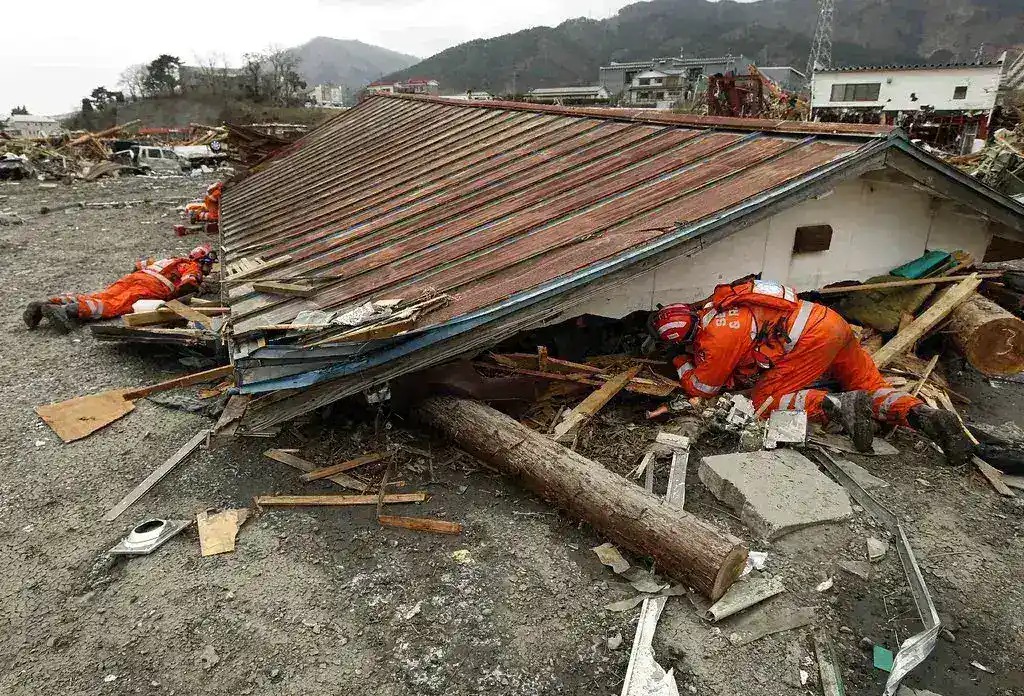
A powerful earthquake struck a mountainous region in southwest China early Monday morning, May 18, 2026, prompting urgent evacuation orders as local authorities report at least thirteen building collapses. Emergency response teams have been deployed to the affected area to search for survivors trapped beneath debris, with state broadcaster CCTV coordinating real-time updates on the ongoing rescue operations.
Geological Context of the Region
Southwest China is historically prone to seismic activity due to its proximity to the collision zone between the Indian and Eurasian tectonic plates. This region frequently experiences tremors, leading the government to implement strict building codes and disaster preparedness protocols over the last two decades.
Despite these fortifications, the intensity of Monday’s quake tested the resilience of older masonry structures in rural villages. Geologists from the China Earthquake Networks Center are currently analyzing seismic data to determine the precise magnitude and depth of the epicenter.
Operational Challenges in Rescue Efforts
The collapse of thirteen buildings has created significant logistical hurdles for first responders, who are navigating blocked mountain roads and unstable terrain. Heavy machinery is being airlifted to the site, though inclement weather conditions in the high-altitude zone may complicate the arrival of essential supplies.
Local officials have established temporary shelters for the thousands of residents who have been displaced by the tremors. Medical personnel are operating mobile clinics to treat injuries ranging from fractures to respiratory distress caused by dust and debris.
Expert Perspectives and Data
Seismologists note that while modern high-rise developments in urban centers are engineered to withstand significant lateral forces, rural infrastructure remains the most vulnerable point of failure. According to current disaster management reports, the primary focus remains on the ‘golden hour’ window for search and rescue operations.
Data released by regional authorities suggests that the tremor was felt across three provinces, triggering automatic alerts in schools and transport hubs. While the full scale of the economic impact is yet to be assessed, early estimates from risk modeling firms suggest significant damage to local agricultural infrastructure.
Implications for Future Disaster Management
This event serves as a stark reminder of the persistent risk posed by seismic activity in the region, highlighting the ongoing need for rural infrastructure upgrades. Industry analysts expect a shift in policy toward the retrofitting of older residential buildings to meet updated safety standards.
Looking ahead, observers should monitor potential aftershocks, which experts warn could further destabilize damaged structures. Future policy discussions will likely prioritize the integration of early-warning technology into remote villages to shorten response times for future seismic events.