




Strategic Defense Posture
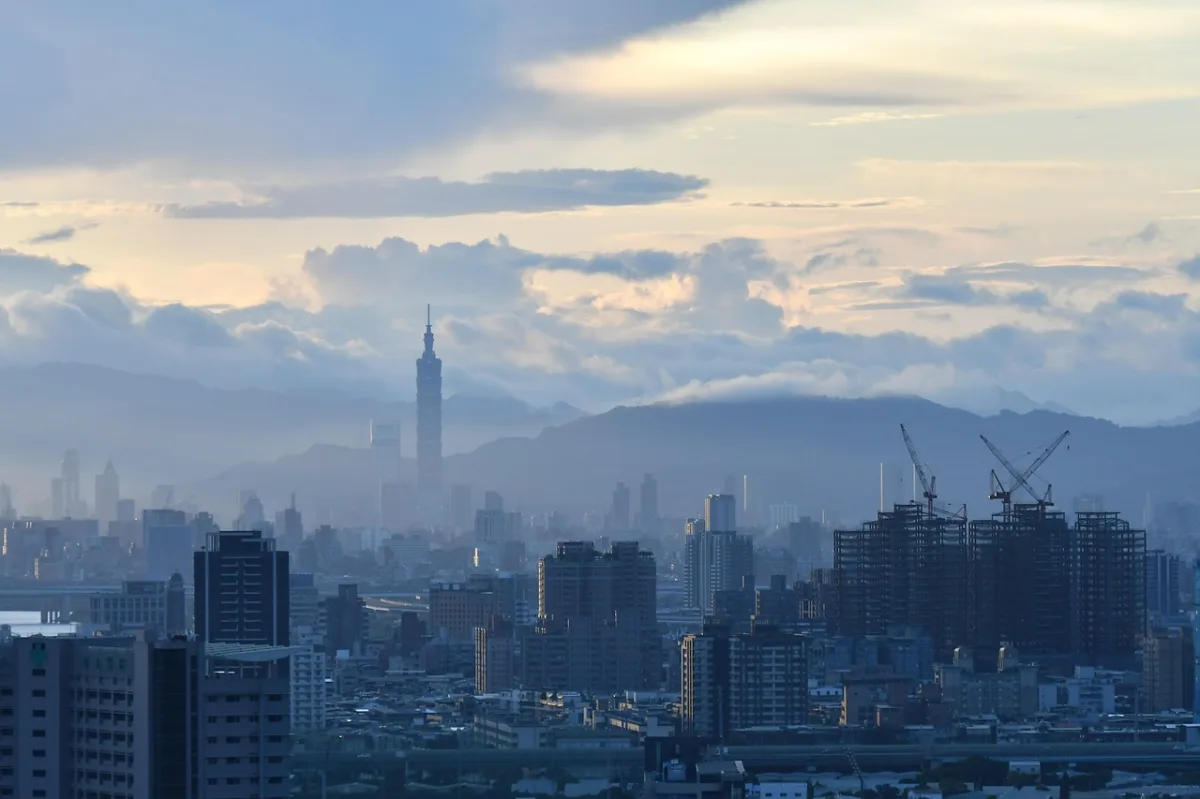
Taiwan’s President has issued a formal defense of the island’s ongoing military procurement strategy following recent comments from former U.S. President Donald Trump that cast doubt on future arms sales. The statement, released in Taipei this week, underscores the administration’s commitment to maintaining a robust defense posture against increasing pressure from the People’s Republic of China, which claims the self-governing democracy as its territory.
Context of U.S.-Taiwan Relations
The Taiwan Relations Act, enacted in 1979, mandates that the United States provide Taiwan with the means to defend itself. For decades, this bipartisan policy has served as a cornerstone of stability in the Indo-Pacific region, despite the lack of formal diplomatic ties between Washington and Taipei.
However, recent rhetoric from the American political sphere has introduced a new layer of geopolitical unpredictability. By questioning the necessity of continued arms transfers, critics of the current status quo argue that such sales exacerbate tensions with Beijing, while supporters maintain that these weapons are essential to deterring a potential cross-strait conflict.
Analyzing the Security Landscape
Taiwan currently operates a diverse arsenal of American-made hardware, ranging from F-16 fighter jets to advanced missile defense systems. Military analysts suggest that these purchases are not merely symbolic but are designed to create an “asymmetric” defense strategy meant to make a potential amphibious invasion by the People’s Liberation Army prohibitively costly.
Data from the Stockholm International Peace Research Institute (SIPRI) indicates that Taiwan remains one of the largest importers of conventional weapons in the world. As Beijing continues to modernize its own naval and air capabilities, the urgency for Taipei to upgrade its aging equipment has reached a critical inflection point.
Expert Perspectives
Defense experts point out that the political debate in Washington reflects a broader “America First” sentiment that is increasingly skeptical of foreign military entanglements. Dr. Elena Rodriguez, a senior fellow at a prominent regional security think tank, notes that any degradation in U.S. arms support would force Taiwan into a difficult position regarding its long-term strategic autonomy.
“The perception of wavering support from a primary security guarantor can alter the calculus of both the aggressor and the defender,” Rodriguez stated. “If the deterrent signal becomes blurred, the risk of miscalculation by regional actors rises significantly.”
Implications for the Indo-Pacific
For the defense industry and global markets, the uncertainty surrounding these arms deals creates a volatile environment. Manufacturers of defense technology are currently navigating a complex landscape where international policy shifts can lead to the sudden suspension or acceleration of multi-billion dollar contracts.
Looking ahead, observers are closely monitoring upcoming U.S. election cycles and subsequent legislative sessions to determine if the tradition of unwavering military support for Taiwan will persist. Any formal policy shift would likely trigger a realignment of security alliances across the Indo-Pacific, potentially drawing in regional neighbors like Japan and the Philippines into a more integrated defense architecture to compensate for any perceived withdrawal of American security guarantees.