




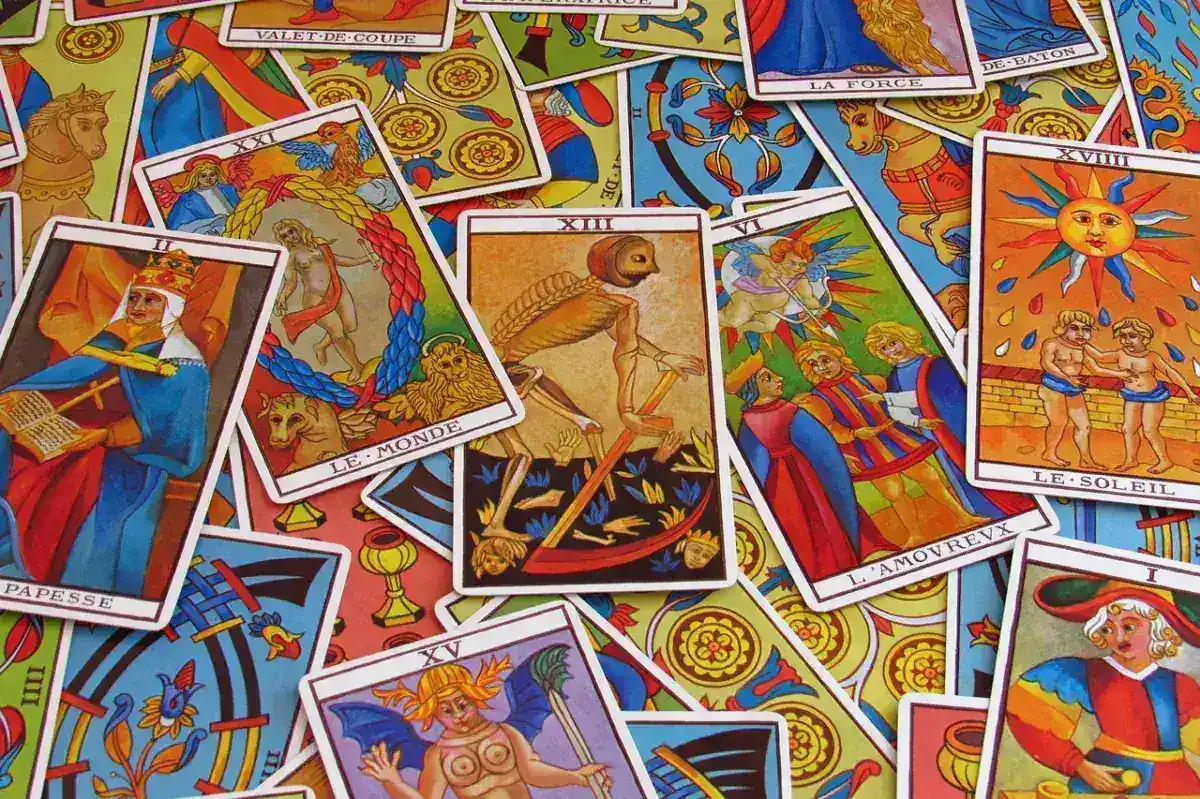
A growing number of tarot practitioners and enthusiasts are integrating artificial intelligence chatbots into their divination routines, marking a significant shift in how spiritual guidance is sought in the digital age. As of late 2023 and early 2024, platforms like ChatGPT and specialized tarot-reading AI applications have seen a surge in users asking for card interpretations, relationship advice, and existential clarity. This trend reflects a broader societal movement toward utilizing generative AI for emotional support and personal decision-making.
The Intersection of Ancient Practice and Modern Code
Tarot, a practice dating back to 15th-century Italy, has traditionally relied on the intuitive connection between a reader, the seeker, and the symbolic language of the cards. Historically, these readings required a human practitioner to synthesize complex archetypes with the specific life circumstances of the individual. The introduction of AI into this deeply personal framework challenges the traditional paradigm by replacing human intuition with pattern recognition algorithms.
The Appeal of Instantaneous Insight
Proponents of AI-assisted readings argue that these tools provide an objective, non-judgmental space to explore personal dilemmas. Unlike human readers, AI chatbots are available 24/7, providing instant feedback and the ability to process vast amounts of occult literature and symbolic databases in seconds. For many users, the anonymity of the chatbot allows for a level of vulnerability that they might otherwise feel uncomfortable sharing with a stranger.
Data Points and Expert Skepticism
Despite the convenience, experts in both technology and occult studies highlight significant limitations. According to a 2023 study on human-AI interaction, chatbots frequently suffer from “hallucination,” where they generate plausible but entirely fabricated information. Analysts note that while an AI can define the “Three of Swords” with perfect accuracy, it lacks the lived experience and emotional intelligence required to understand the nuances of a user’s unique trauma or personal history.
Dr. Elena Vance, a digital anthropologist, observes that the reliance on AI for emotional guidance mirrors the “loneliness epidemic” currently facing younger generations. She notes that while the AI provides a structured output, it functions more as a mirror for the user’s own thoughts rather than an external source of wisdom. The machine does not “know” the seeker, yet the seeker often projects profound meaning onto the generated response.
Implications for the Divination Industry
For the professional tarot community, the rise of AI represents both a threat and an opportunity. Some practitioners are adopting AI as a brainstorming tool to help outline complex spreads, while others argue that the gamification of spirituality dilutes the sacred nature of the craft. The industry is currently grappling with questions of authenticity and whether a machine can ever truly facilitate a moment of spiritual breakthrough.
Moving forward, the industry is expected to see a rise in “hybrid” services where human readers utilize AI to manage administrative tasks or provide supplementary historical context for readings. Observers should watch for new regulations regarding AI-generated advice in the wellness sector, as mental health advocates warn against the dangers of treating algorithmic output as professional psychological counseling. The evolution of this trend will likely depend on whether users prioritize the speed of digital convenience or the irreplaceable depth of human connection.