




Health authorities in the Democratic Republic of Congo (DRC) are currently struggling to contain a resurgence of Ebola virus disease, as new clusters of cases appear across geographically dispersed and remote provinces. The World Health Organization (WHO) and the DRC Ministry of Health have intensified surveillance efforts this month following confirmed transmissions in densely populated regions, raising concerns about the potential for rapid regional spread.
The Recurring Challenge of Viral Containment
The DRC has endured a long history of Ebola outbreaks, with the current situation marking another chapter in a persistent public health crisis. Since the virus was first identified near the Ebola River in 1976, the nation has recorded more than a dozen distinct outbreaks, each presenting unique logistical and social hurdles.
Unlike urban-centered epidemics, recent transmissions have often taken root in remote rainforest communities where medical infrastructure is severely limited. Geographic isolation, combined with difficult terrain, creates significant delays in diagnostic testing and the deployment of life-saving interventions.
Complexity of Response Efforts
Containment strategies in the DRC remain multifaceted, relying heavily on community engagement and rapid contact tracing. Health officials report that building trust within affected communities is as critical as the administration of vaccines and therapeutic treatments.
Data from the WHO indicates that while experimental vaccines have proven effective in preventing infection among high-risk groups, the logistical challenge of maintaining a ‘cold chain’—the process of keeping vaccines at ultra-cold temperatures in tropical conditions—remains a barrier. Furthermore, ongoing regional instability in parts of the eastern DRC frequently complicates the movement of medical personnel and supplies.
Expert Analysis and Epidemiological Data
Epidemiologists warn that the nature of the virus, which can spread through direct contact with bodily fluids, necessitates a highly disciplined approach to quarantine and sanitation. According to recent health bulletins, the fatality rate for untreated Ebola cases continues to fluctuate between 25% and 90%, underscoring the urgency of early detection.
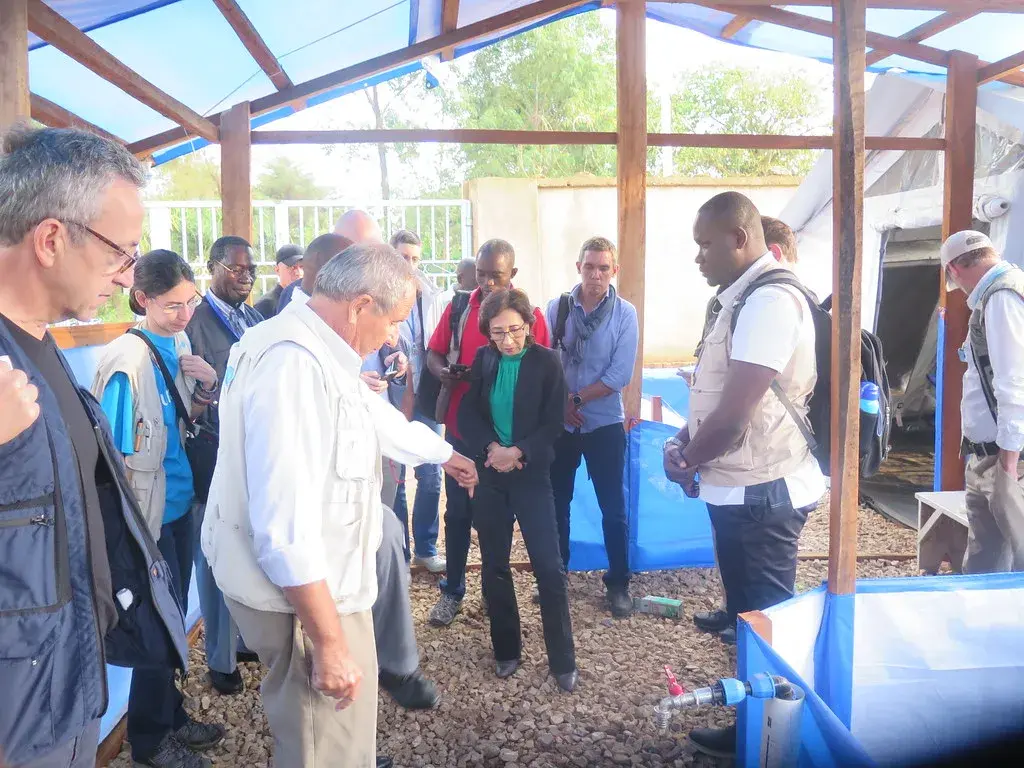
Dr. Jean-Jacques Muyembe, a leading figure in the DRC’s Ebola response efforts, has consistently emphasized that medical success depends on the integration of traditional medicine networks with modern clinical protocols. Experts suggest that the current outbreak is exacerbated by a lack of basic hygiene facilities in rural healthcare centers, which often become unintended hubs for transmission.
Implications for Global Health Security
The persistence of Ebola in the DRC serves as a stark reminder of the vulnerabilities inherent in regional health systems. For international health organizations, the situation necessitates a shift from reactive emergency funding to long-term investment in local healthcare infrastructure.
The global community is now watching to see if current containment measures can effectively isolate the virus before it reaches major transit hubs. Observers are particularly focused on the effectiveness of new mobile laboratory units, which are being deployed to provide on-site testing results in a fraction of the time previously required. The ability of local authorities to sustain these efforts over the coming months will be the primary indicator of whether this outbreak can be successfully suppressed or if it will evolve into a broader humanitarian emergency.