





A New Intellectual Landmark in Chennai
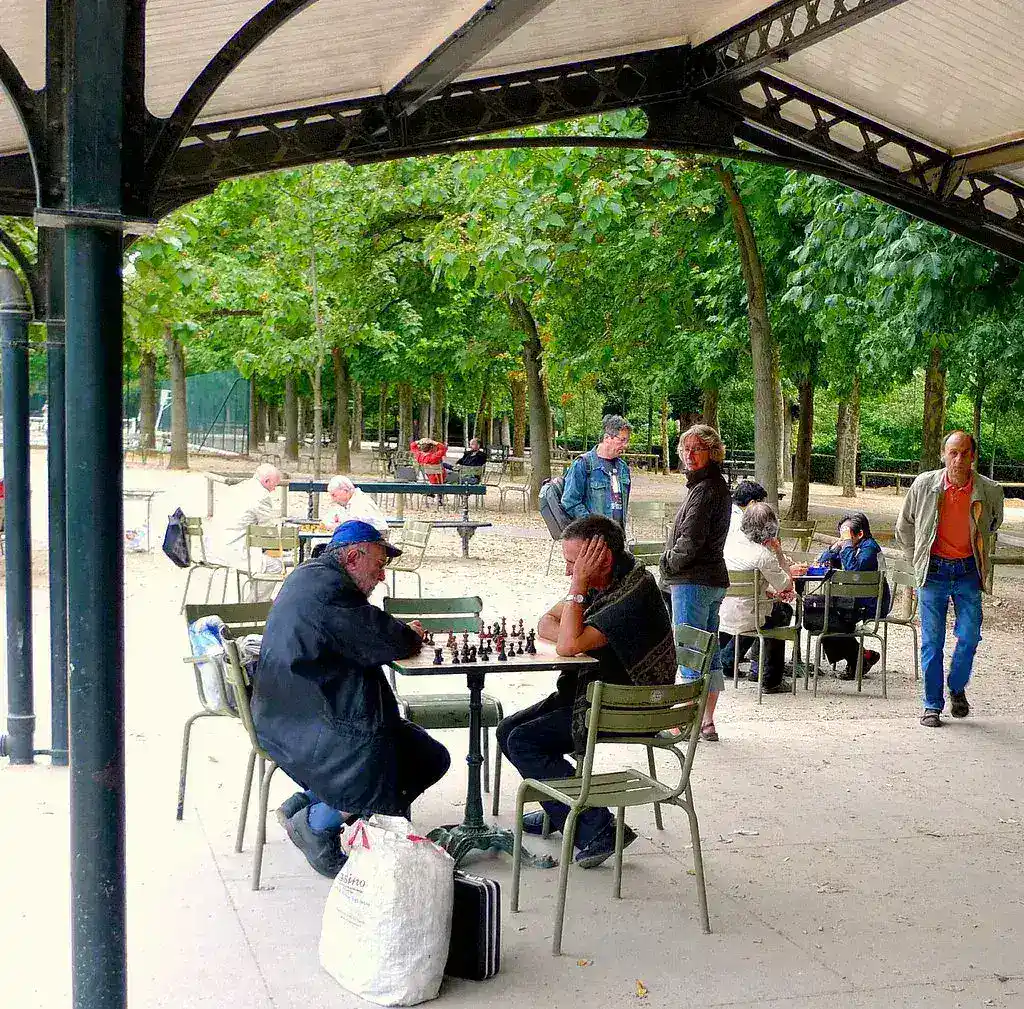
In a significant shift for urban social dynamics, Chennai has transformed a local public park into a dedicated sanctuary for chess enthusiasts, mirroring established global traditions seen in Moscow and Mumbai. This initiative, launched this month in the heart of the city, provides a permanent, open-air third space where residents gather daily to engage in high-stakes matches, effectively democratizing access to the game known as the ‘gymnasium of the mind.’
The Evolution of Urban Chess Culture
Chess has long been a foundational element of Chennai’s cultural identity, often cited as the ‘Chess Capital of India’ due to its deep-rooted association with grandmasters and prestigious international tournaments. Traditionally, the game was relegated to exclusive clubs or private coaching centers, limiting community interaction.
The move to integrate chess tables into public park infrastructure reflects a broader global trend of reclaiming urban spaces for intellectual recreation. By providing stone-carved boards and permanent seating, city planners are fostering a culture of mentorship where seasoned players and novices intersect, bridging generational and socioeconomic divides.
Community Dynamics and Skill Exchange
The park has quickly become a hive of activity, characterized by a mix of intense silence and the rhythmic clatter of plastic pieces hitting wood. Unlike digital platforms where players remain anonymous, the physical nature of this park encourages social accountability and real-time feedback.
Local chess coaches note that the public nature of the park creates a unique learning environment. Experienced players frequently pause their own games to offer guidance to younger participants, effectively creating an informal, free-of-charge academy that operates from dawn until dusk.
The Psychological and Social Impact
Data from the World Chess Federation (FIDE) suggests that accessibility is the primary driver for sustained interest in the game. By moving chess from the screen to the park, Chennai is addressing the digital fatigue that characterizes modern urban life, replacing passive screen time with active cognitive engagement.
Psychologists suggest that these public spaces serve as vital ‘intellectual third spaces.’ These areas provide a sense of belonging and community cohesion, which are often lacking in rapidly urbanizing environments. The presence of these tables encourages spontaneous social interaction, reducing feelings of isolation among elderly residents and students alike.
Future Implications for Urban Planning
The success of the Chennai park model is prompting city officials to consider similar installations in other public sectors. If successful, this trend could redefine the role of public parks from mere green spaces to hubs for intellectual development and community resilience.
As urban density continues to increase, the demand for accessible, low-cost social activities will likely grow. Observers should watch for whether other major Indian cities adopt this model, potentially leading to a nationwide network of public ‘chess plazas’ that could elevate India’s standing in the international chess circuit even further.