
Hong Kong
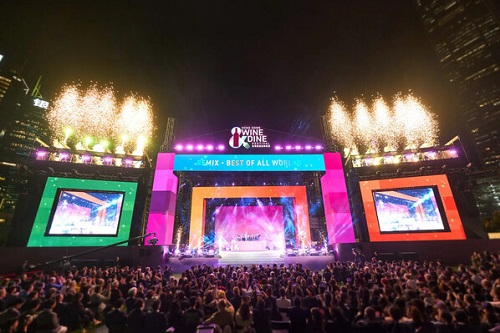
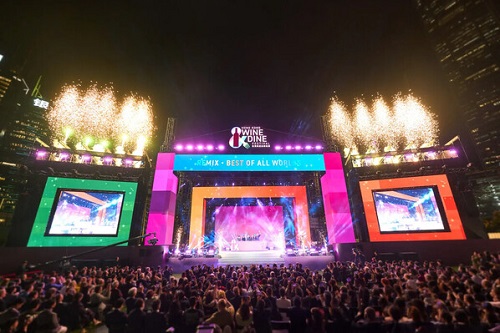
Organised by the Hong Kong Tourism Board (HKTB) and co-organised by the Conseil Interprofessionnel du Vin de Bordeaux (CIVB), the annual flagship event “Hong Kong Wine & Dine Festival” will take place for four consecutive days from 29 October (Thursday) to 1 November (Sunday) at the Central Harbourfront Event Space and Tamar Park under the theme “Taste the World’s Best”. The excitement extends far beyond the four days. To amplify the benefits of the mega event and sustain the festive momentum, HKTB will roll out “Hong Kong Gourmet Month” throughout November, along with exclusive ticket stub offers, to attract more visitors to Hong Kong and drive tourism spending.
 |
Visitors can explore over 340 booths, with guided tours and expert-led tastings offering new ways to discover global flavours and food pairings
Dr Peter Lam, Chairman of HKTB, said, “I would like to express my heartfelt gratitude to our lead sponsor, American Express, as well as EcoCeres, Cathay, and all our sponsors, partners including Henderson Land Development and Maxim’s Group, exhibitors, and the food and beverage industry for their steadfast support. Together, we have built this internationally renowned flagship event for Hong Kong – the ‘Hong Kong Wine and Dine Festival’. This year, in addition to presenting the strongest-ever line-up for the Festival, HKTB will launch ‘Hong Kong Gourmet Month’ in November. Starting from late October, a series of drinking and dining experiences will run throughout the month, giving both locals and visitors the opportunity to ‘Taste the World’s Best’. From world-class drinks and top-rated cuisine to creative ‘Only in Hong Kong’ culinary delights and a host of limited-time experiences, everyone can immerse themselves in Hong Kong’s vibrant dining scene day and night. Through these initiatives, we aim to encourage visitors to stay longer and spend more, creating additional business opportunities for the trade.”
Hong Kong Wine & Dine Festival Elevated in Scale and Experience
Featuring More Exceptional Flavours from Around the World
This year’s Festival returns on an even grander scale, with more than 340 booths, an increase of over 10% from last year, and the event footprint extending to Tamar Park. The Festival brings together fine drinks and delicacies from around 31 countries and regions, pavilions from numerous countries and regions, including Australia, Canada and South Korea, which are making their debut. From rare drinks of world-renowned regions to top culinary masterpieces crafted by international celebrity chefs, award-winning restaurants and star-rated hotels, visitors can savour the world’s best flavours under the starlit sky of Victoria Harbour. For the first time, the Festival will introduce a series of limited-edition, expert-led guided tours and tasting experiences, enabling guests to easily learn about characteristics of the drinks and food pairings with it. In addition, on Friday and Saturday evenings, the Festival will extend its opening hours until 1am for the first time, allowing visitors to raise a glass and enjoy the festivities to the fullest.
Highlight 1: Savour World-Class Drinks and Cuisine
-
Grand Wine Pavilion: A Gathering of Rare and Prestigious Drinks
The “Grand Wine Pavilion” will feature rare and prestigious drinks from the world’s foremost regions, curating an extraordinary tasting experience for guests. These offer gastronomy lovers the chance to savour the remarkable charm of this classic. Additionally, from the world-famous Burgundy region come an array of rare and sought-after Burgundian gems, including a highly coveted one prized by collectors. Visitors can appreciate the distinctive terroirs and charms of France’s two most revered regions in one location.
The Pavilion will also present exceptional labels from Spain, Italy, Chile and other renowned regions, featuring collector-grade and rare large-format drinks to broaden visitors’ tasting horizons.
-
Star-Studded Gourmet Offerings Assemble Culinary Masters
1. “AMEX GOURMET CLUB” Leads the Feast with 15 Stars and 5 Diamonds
Sponsored by American Express, the “AMEX GOURMET CLUB” will bring together a line-up of the city’s Michelin-starred, Black Pearl-awarded and acclaimed dining establishments, with a combined total of 15 Michelin stars and 5 Black Pearl Diamonds. Guests can savour celebrated signature dishes from multiple star-rated establishments in one place, as the club brings Hong Kong’s finest dining to the Victoria Harbourfront.
2. 26 Luxury Hotels Present Limited-Edition Culinary Delights
This year, Hotel Boulevard will gather a total of 26 prestigious hotels at the Central Harbourfront, each serving up its signature dishes, including Hong Kong-style satay from Kowloon Shangri-La and signature Pandan Cake with Coconut Ice Cream from The Fullerton Ocean Park Hotel Hong Kong. Visitors can savour signature treats from the city’s top hotels without having to travel all over the city.
The Marriott Bonvoy will join forces with 14 of its Hong Kong hotels for its largest-ever presence at the Festival. Celebrity chefs and mixologists will team up to create artisanal dishes, limited-edition cocktails and dining experiences that offer a creative take on Hong Kong’s diverse food culture.
3. “Tasting Room” Presents Limited 10-Hand Collaborative Feast
Under the theme “Taste of Time,” the “Tasting Room” will bring together five leading chefs from Hong Kong, the Chinese Mainland and overseas to present an all-new, 10-hand collaborative banquet. Through a multi-course menu, the chefs will interpret stories of time and taste, creating a limited-edition dining experience found only at the Festival.
The Festival will also feature “CHOI. x VOON,” a four-hand collaborative lunch by Culinary Class Wars star chef Choi Hyun-seok and acclaimed Singaporean chef Edward Voon, along with the “Cheesy & Cheers” brunch and the “Eat & Beat HK Remix” party, offering vibrant social gathering experiences tailored for diverse tastes.
Highlight 2: Creative “Only in Hong Kong” Flavours Make Their Debut
This year’s Festival will also present a series of distinctively local “Only in Hong Kong” flavours, reinventing classic Hong Kong tastes through unexpected combinations. Highlights include cross-generational collaborations between local brands. One example pairs traditional soy milk with creative contemporary dessert techniques to craft a rich, aromatic Black Sesame Soy Milk Pudding Tart. Infusing traditional local flavours with new-generation creativity, this creation showcases the vibrant fusion of old and new in Hong Kong’s culinary culture.
A host of playful, limited-edition offerings will also debut, including Popping Salted Lemon 7-Up cocktails in four fruity flavours, with popping candy for added fun; Bella Spritz, featuring milk foam dusted with salted fish powder; Handcrafted Chocolates; and Golden Lemon with Coriander Craft Sake. These offerings weave familiar, beloved Hong Kong flavours into contemporary culinary and mixology concepts. As tradition and modern trends spark fresh inspiration, they create flavours that can truly be savoured “Only in Hong Kong”.
Marking the 50th anniversary of Henderson Land Development and the 70th anniversary of Maxim’s Group, both conglomerates, deeply rooted in Hong Kong, will leverage this international festival stage. Gathering their subsidiary and partner dining brands, they will present limited-edition anniversary gourmet treats. Through beverages and food, they will share stories of growing hand in hand with Hong Kong, illustrating the enduring vitality of the city’s dining culture, where heritage and innovation thrive side by side.
Highlight 3: Discover Exclusive and Extraordinary Experiences
Inaugural Walk Tours
This year, the Festival will introduce guided walk tours for the first time, featuring three distinctive themed routes. “Route 1: The Cabernet Empire: A Global Journey” takes participants from Bordeaux in France, and Chile to Shangri-La in China. Paired with a selection of richly flavoured meat delicacies, the drinks reveal how the same grape variety expresses its own character in different terroirs. “Route 2: The Heritage Legends: Classic Terroirs” focuses on Châteauneuf-du-Pape in France, Brunello di Montalcino in Tuscany, Italy, and Germany. Paired with distinctive Hong Kong-style savoury bites, the drinks reveal the timeless charm of these Old World classics. The playful “Route 3: Beyond the Rules – An Unexpected Gastronomy Pairing Tour” breaks with convention where beverages are paired with creative Hong Kong-style snacks. Participants can learn as they sip, picking up pairing techniques with ease while discovering delightful flavour surprises. Interested guests can register on-site at the designated “Wine Walk Booth”.
The Festival will also host more than 20 masterclasses and expert tasting sessions. Experts and industry representatives will share professional insights and captivating stories behind each drink from a range of perspectives, from regional characteristics, aromas and palate to techniques and wine styles. Whether guests are beginners looking to pick up the basics with ease or seasoned enthusiasts seeking to explore distinctive labels and inventive pairings in depth, they can tailor their experience by selecting the Walk routes or expert tastings that suit their interests and tastes. Interested guests can register on-site at the “Grand Wine Pavilion”.
Sunset Party: Savour Limited-Edition Rare Drinks
The Festival will host a “Sunset Party” at 5:45pm on 29 and 30 October, inviting guests to raise a glass against the breathtaking panorama of Victoria Harbour. Festival-goers can register on-site and gather at the Main Stage to enjoy complimentary tastings of limited-edition drinks in the glow of the setting sun, exchanging tasting notes and insights with fellow gastronomy lovers.
Non-Alcoholic Experiences Cater for Diverse Needs
In addition, the Coffee Village, located in Tamar Park near the Admiralty entrance, will serve specialty coffees and other distinctive non-alcoholic beverages, catering for different palates.
New Sustainability Initiative: Turning Waste into Energy
This year’s Festival also introduces a sustainability initiative. HKTB is partnering with EcoCeres, a renewable fuels technology company incubated in Hong Kong and the world’s second largest sustainable aviation fuel (SAF) producer, to bring the “From Plate to Plane” concept to life. For the first time, used cooking oil will be collected on-site during the Festival and converted into sustainable aviation fuel (SAF), giving participants an opportunity to learn about and take part in the recycling of food resources while enjoying the event.
“Hong Kong Gourmet Month” Takes the Baton in November with Ticket Stub Offers to Extend Tourism Spending
Immediately following the Festival, HKTB will roll out “Hong Kong Gourmet Month”, joining hands with restaurants and bars across the city to present limited-edition gourmet dishes, unique experiences and dining discounts throughout November. This initiative aims to attract visitors, driving spending across the food and beverage sectors. Festival-goers can also present their ticket stubs to enjoy exclusive offers at selected restaurants, retailers and business associations, including special privileges offered by the T-Central Strategic Development Association. In addition, HKTB will launch a “Hong Kong Late-Night Dining Guide”, highlighting the city’s vibrant after-dark dining hotspots. The guide allows visitors to immerse themselves in Hong Kong’s dynamic food and drink scene round the clock, encouraging them to stay longer and spend more.
Details on participating restaurants and bars, limited-edition menus, ticket stub offers, redemption methods and other activities will be announced in due course.
Hong Kong Wine & Dine Festival Ticketing and Opening Arrangements
Visitors with eligible American Express Cardmembers can enjoy exclusive priority booking on Trip.com and discount offers on Grand Wine Pass. Tasting Passes, Grand Wine Passes and tickets for the Tasting Room’s “Taste of Time” banquet and other dining events will be available for public purchase from 12 October. Trip.com ticketing website: hk.trip.com/w/winendinehk
“Hong Kong Wine & Dine Festival” Opening Hours
The “Hong Kong Wine & Dine Festival” will open from 7.30 pm to midnight on 29 October (Thursday), with the last entry 30 minutes before closing. On 30 October (Friday), the festival will run from 1 pm to 1 am, with the last entry 60 minutes before closing. On 31 October (Saturday), it will be open from 1 pm to midnight, with the last entry 30 minutes before closing. The festival will also be open from 1 pm to midnight on 1 November (Sunday), with the last entry 30 minutes before closing.
For more details, please visit www.discoverhongkong.com/eng/events/wine-dine-festival.html
Members of the media can download the press release and photos from the following links:
Press release: www.discoverhongkong.com/eng/hktb/newsroom/press-releases.html
Photos: assetlibrary.hktb.com