



On May 19, the Western United States faced a dual challenge as multiple wildfires erupted across Southern California and other western states, while communities in San Diego continued to laud the heroic actions of victims during a recent shooting at an Islamic Center, underscoring a period marked by both environmental crisis and profound human courage.
Context: A Region Under Pressure
The Western U.S. traditionally experiences a volatile wildfire season, often exacerbated by persistent drought conditions, strong winds, and the increasing impacts of climate change. This year, the early onset of significant blazes, particularly in Southern California, signals a potentially severe fire season ahead, challenging emergency services and residents alike.
Concurrently, the San Diego area has been processing the aftermath of a tragic shooting at an Islamic Center, an incident that shook the community to its core. The attack, understood by authorities to be a hate crime, led to injuries and one fatality, but also revealed extraordinary acts of bravery among those present.
Wildfires Rage Across Southern California and Beyond
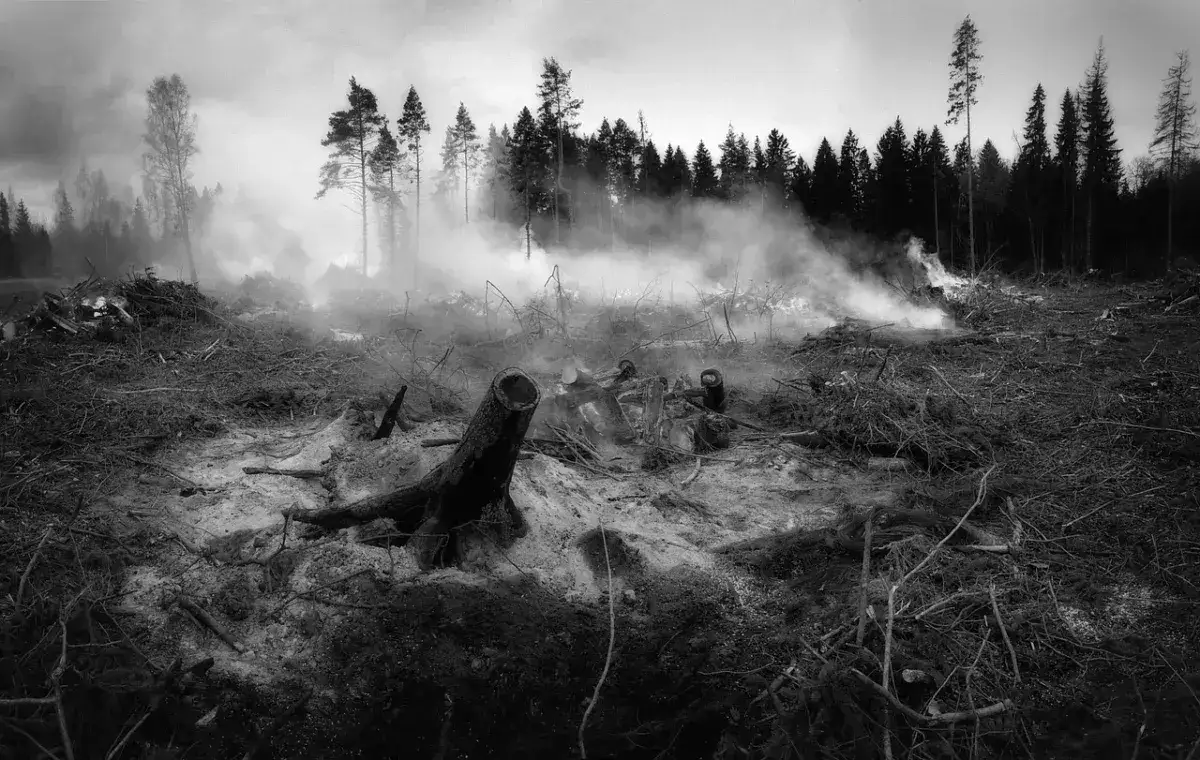
As of May 19, firefighting crews were battling several significant blazes that had ignited rapidly, fueled by dry vegetation and gusty winds. In Southern California, the ‘Canyon Fire’ near Santa Clarita and the ‘Coastal Brush Fire’ in Ventura County prompted immediate evacuation orders for thousands of residents and threatened hundreds of structures.
These fires are not isolated incidents; reports from across the western U.S. indicate a worrying trend. States like Arizona and New Mexico have also seen an increase in fire activity, with large-scale incidents like the ‘Mesa Blaze’ consuming tens of thousands of acres. The rapid spread of these fires has strained resources, leading to mutual aid requests among fire departments.
Data from the National Interagency Fire Center (NIFC) shows that the number of acres burned year-to-date is significantly above the 10-year average for this period. Climate scientists at the Scripps Institution of Oceanography note that warmer temperatures and reduced snowpack contribute to drier fuels, making landscapes more susceptible to ignition and rapid fire growth. “We are seeing the impacts of a changing climate manifest directly in the intensity and frequency of these early-season fires,” stated Dr. Emily Chen, a climate researcher.
Emergency management officials emphasize the importance of defensible space around homes and community-wide preparedness plans. “Every resident in fire-prone areas must have an evacuation plan and maintain their property to reduce fuel loads,” urged Chief Robert Davis of the California Department of Forestry and Fire Protection (CAL FIRE).
Heroes Emerge from San Diego Islamic Center Shooting
In San Diego, the focus remained on the community’s healing and the remarkable courage displayed during the recent attack on the Islamic Center. During the incident, congregants reportedly put themselves in harm’s way to protect others, actions that have since garnered widespread praise and admiration.
One individual, identified only as a worshipper, is credited with confronting the shooter, potentially preventing further casualties before law enforcement arrived. This act of selflessness, alongside others who tended to the wounded and calmly guided fellow congregants to safety, has solidified their status as local heroes.
The incident, which authorities are investigating as a hate crime, sparked an outpouring of support from across the region and nation. Interfaith leaders quickly condemned the violence, organizing vigils and solidarity events. “In moments of darkness, the true spirit of humanity shines brightest,” commented Reverend Michael Johnson of the San Diego Interfaith Council. “The bravery shown by the victims and the unity demonstrated by our community are powerful testaments against hatred.”
Law enforcement officials continue their investigation, working to understand the full scope of the perpetrator’s motivations and ensure justice. The swift response of first responders and the community’s immediate embrace of those affected highlight the importance of vigilance and collective support in the face of targeted violence.
Forward-Looking Implications
The early and intense wildfire activity in the Western U.S. signals a critical need for enhanced fire prevention strategies, increased funding for firefighting resources, and accelerated climate adaptation measures. Communities will need to bolster their preparedness, understand evacuation routes, and implement home hardening techniques to mitigate future risks. Policymakers face pressure to address long-term drought and forest management challenges.
Meanwhile, the aftermath of the San Diego shooting reinforces the urgent necessity for continued efforts to combat hate crimes and foster interfaith understanding. The resilience and heroism witnessed offer a blueprint for community response to tragedy, highlighting the power of solidarity and courageous action. Discussions around gun violence and mental health resources are also likely to intensify as communities seek to prevent future acts of violence.