






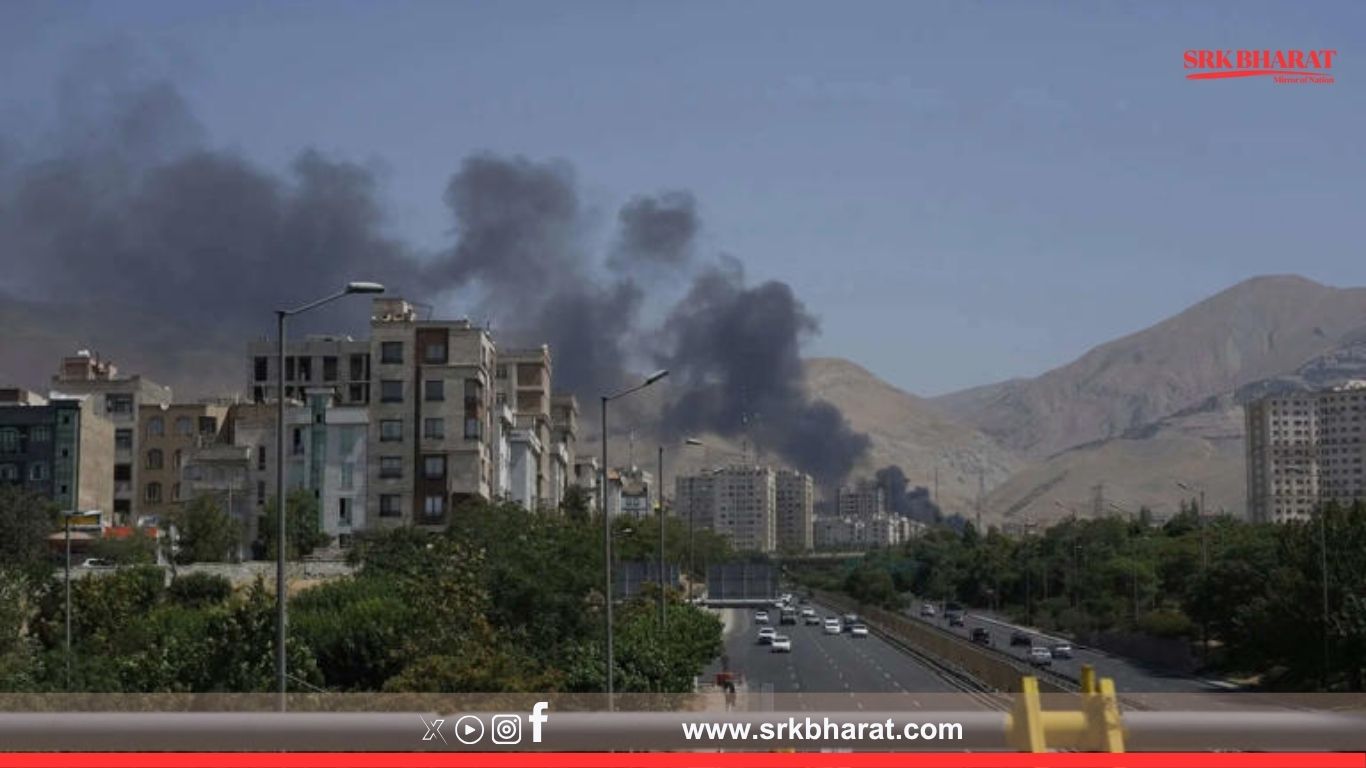
Iran’s Supreme Leader Ayatollah Ali Khamenei is facing mounting internal criticism amid a widening leadership rift, following a series of devastating Israeli airstrikes that exposed serious vulnerabilities in the country’s military and intelligence apparatus.
Israeli Strikes Trigger Crisis of Confidence
The recent Israeli attacks targeted nuclear, gas, and oil facilities, killing senior military officials and nuclear scientists. The strikes have sparked outrage within Iran’s political and military elite, with leaked messages revealing frustration over ineffective air defenses and lack of preparedness.
Khamenei’s Authority Under Scrutiny
At 86, Khamenei’s grip on power is being tested like never before. Analysts suggest that factional infighting and questions over succession are accelerating, with some insiders privately criticizing the regime’s response to the escalating conflict.
“Khamenei is at the twilight of his rule… much of the daily command is now in the hands of competing factions,” said Arash Azizi, senior fellow at Boston University.
Public Dissent and Strategic Missteps
The Iranian public, already disillusioned by economic hardship and past crackdowns, is increasingly vocal. Critics argue that Khamenei’s long-standing strategy of avoiding direct conflict has backfired, leaving Iran vulnerable to precision strikes.
Calls for Unity and Reform
In response, newly elected President Masoud Pezeshkian has urged national unity and proposed re-engagement with the West over Iran’s nuclear program. However, with the regime’s credibility shaken, observers warn that internal instability could deepen if reforms are not swiftly enacted.



автоматическая рулонная штора https://www.rulonnaya-shtora-s-elektroprivodom.ru .