




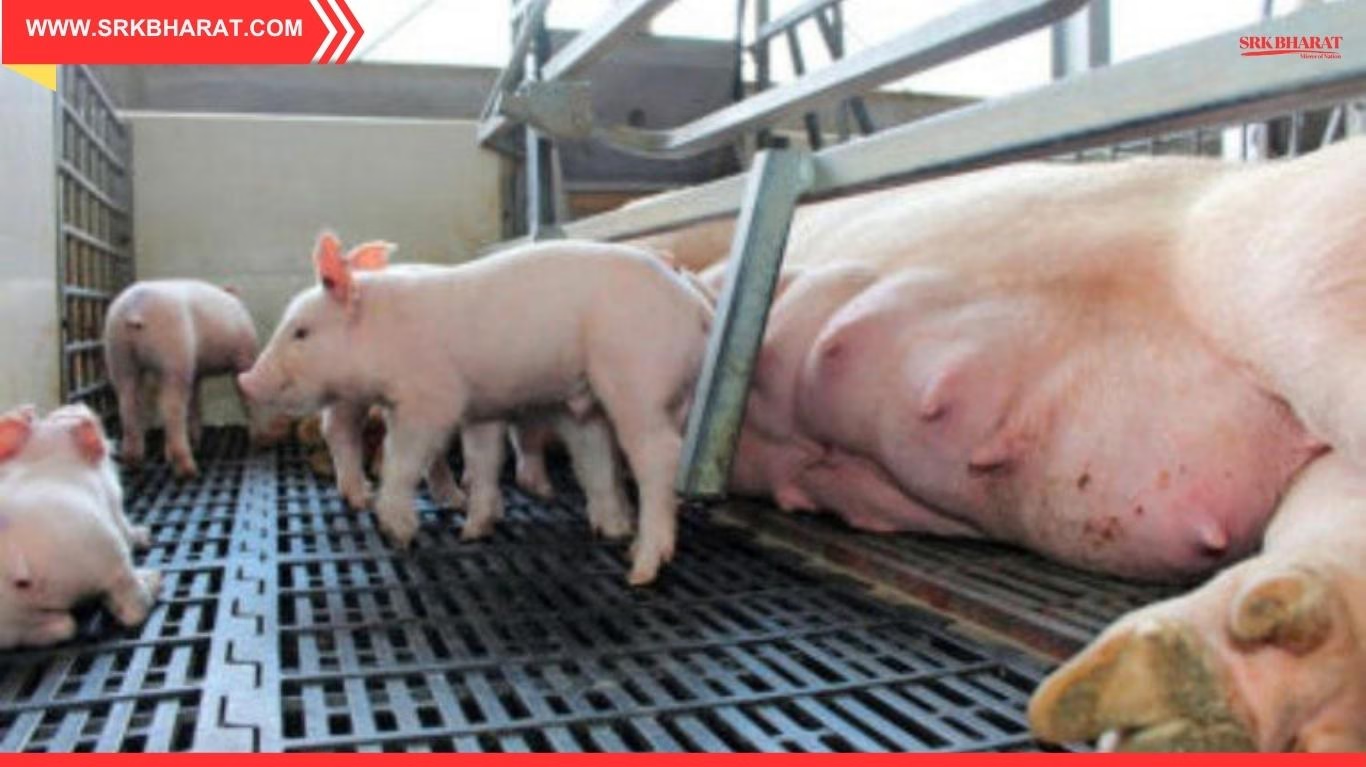
In a decisive move to contain the spread of African Swine Fever (ASF), the Tripura government has imposed a statewide ban on the transportation of live pigs and pig carcasses without prior approval from the Animal Resources Development Department (ARDD). The directive, issued on October 23, 2025, follows confirmed cases of ASF in multiple districts, prompting urgent containment measures to protect local pig populations and safeguard the state’s livestock economy.
The notification mandates that no live pigs or pig carcasses shall be brought into or moved within Tripura without a No Objection Certificate (NOC) from the ARDD. The restriction applies to both inter-state and intra-state movement, and violators may face legal action under the Prevention and Control of Infectious and Contagious Diseases in Animals Act, 2009. The order will remain in effect until further notice.
🧠 Key Highlights of Tripura’s Pig Transport Ban
| Element | Details |
|---|---|
| Issuing Authority | Animal Resources Development Department (ARDD), Tripura |
| Date of Notification | October 23, 2025 |
| Disease Concern | African Swine Fever (ASF) |
| Scope of Ban | Statewide, including inter- and intra-state movement |
| Approval Requirement | Prior NOC from ARDD for any pig transport |
| Legal Framework | Infectious Diseases in Animals Act, 2009 |
| Duration | Until further orders |
The move is aimed at preventing cross-border transmission and limiting local outbreaks that have already impacted pig farmers in West Tripura and Sepahijala districts.
📊 Timeline of ASF Outbreak and Government Response
| Date | Event Description |
|---|---|
| October 15 | Suspected ASF cases reported in West Tripura |
| October 18 | Samples confirmed ASF presence |
| October 20 | ARDD begins surveillance and containment |
| October 23 | Official ban on pig transport announced |
The rapid escalation of ASF cases has triggered biosecurity protocols, culling measures, and awareness drives across affected zones.
🗣️ Reactions from Farmers, Veterinarians, and Policy Experts
- Pig Farmer, Sepahijala: “We lost 40 pigs in two weeks. The ban is necessary but we need compensation.”
- Veterinary Officer: “ASF spreads fast through contact and contaminated feed. Transport control is vital.”
- Policy Analyst: “Tripura’s proactive stance is commendable. Surveillance and farmer support must go hand in hand.”
| Stakeholder Group | Reaction Summary |
|---|---|
| Farmers | Seeking financial aid and feed support |
| Veterinarians | Supporting transport ban and containment |
| Traders | Concerned about supply chain disruption |
| Government Officials | Monitoring compliance and outbreak zones |
The ARDD has also advised disinfection of vehicles, isolation of infected pigs, and reporting of unusual deaths to local veterinary centers.
🧾 Comparative Snapshot: ASF Response in Tripura vs Other Northeastern States
| State | ASF Status (Oct 2025) | Transport Ban | Compensation Scheme | Surveillance Measures |
|---|---|---|---|---|
| Tripura | Confirmed in 2 districts | Yes | Under review | Active in 5 districts |
| Assam | Sporadic cases | Partial | ₹5,000/pig (approved) | Passive surveillance |
| Meghalaya | No recent cases | No | Not applicable | Routine checks |
| Mizoram | Controlled outbreak | Yes | ₹3,000/pig (limited) | Zonal containment |
Tripura’s response is among the most stringent and structured, reflecting lessons from past outbreaks in neighboring states.
🧭 What to Watch in Tripura’s ASF Containment Strategy
- Compensation Framework: Expected announcement for affected farmers by early November
- Veterinary Mobilization: Deployment of rapid response teams and mobile labs
- Border Surveillance: Enhanced checks at Assam and Bangladesh borders
- Public Awareness: Campaigns on ASF symptoms, hygiene, and reporting protocols
The next few weeks will be critical in determining whether Tripura can contain ASF without widespread economic fallout.
Disclaimer
This news content is based on verified government notifications, veterinary advisories, and media reports as of October 23, 2025. It is intended for editorial use and public awareness. The information does not constitute veterinary advice, legal interpretation, or policy endorsement and adheres to ethical journalism standards.