





Rising Fuel Costs Impact Consumers Nationwide
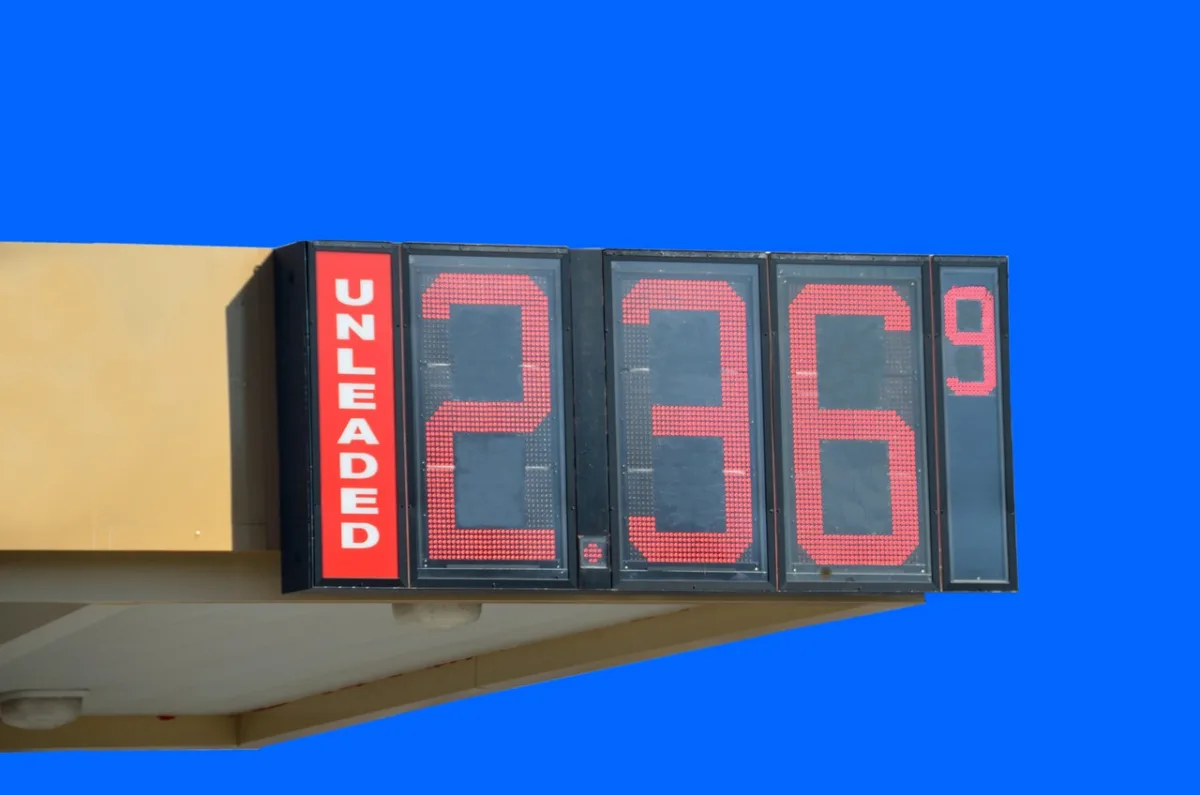
The central government announced a significant increase in fuel prices today, raising both petrol and diesel rates by ₹3 per litre across India. This adjustment, driven by the escalating costs of crude oil in the international market, has pushed fuel prices to record highs in several regions, with petrol crossing the ₹107 mark and diesel surpassing ₹93 per litre in Jaipur.
Contextualizing Global Crude Volatility
Fuel pricing in India is intricately linked to the global crude oil market, where prices have remained volatile due to geopolitical tensions and supply chain constraints. Historically, the government has adjusted domestic retail prices to reflect these international fluctuations, ensuring the sustainability of state-run oil marketing companies.
Recent data indicates that Brent crude prices have maintained an upward trajectory throughout the quarter, putting immense pressure on the national exchequer. As India imports over 80% of its crude oil requirements, the weakening of the rupee against the dollar further compounds the cost burden for domestic retailers.
Economic Ripples and Market Reaction
The immediate impact of this hike is being felt at fuel stations, where commuters are grappling with the increased cost of daily travel. Beyond individual consumption, the surge in diesel prices is expected to have a cascading effect on the broader economy, particularly in the logistics and transportation sectors.
“Transportation costs represent a significant portion of the retail price for essential goods,” noted an industry analyst. “When diesel prices rise, the cost of moving freight across the country increases, which almost invariably leads to inflationary pressure on consumer staples like vegetables, grains, and manufactured items.”
Retailers and logistics firms are already assessing their operational budgets to accommodate the sudden spike. While some companies may absorb a portion of these costs temporarily, market experts suggest that the majority of the burden will likely be passed on to the end consumer through higher service fees and product pricing.
Industry Outlook and Future Implications
The government’s decision to hike prices underscores the difficult balancing act between fiscal management and public welfare. With crude oil markets showing no immediate signs of cooling, policymakers are under pressure to explore long-term strategies, such as diversifying energy sources or providing targeted subsidies to vulnerable sectors.
For the average citizen, the immediate focus remains on fuel efficiency and potential shifts in commuting behavior. As the industry monitors global market developments, the next few weeks will be critical in determining whether this price adjustment is a temporary corrective measure or a precursor to further volatility. Observers are now looking toward the upcoming monthly review cycle to see if the government introduces any measures to mitigate the inflationary impact on the national economy.