



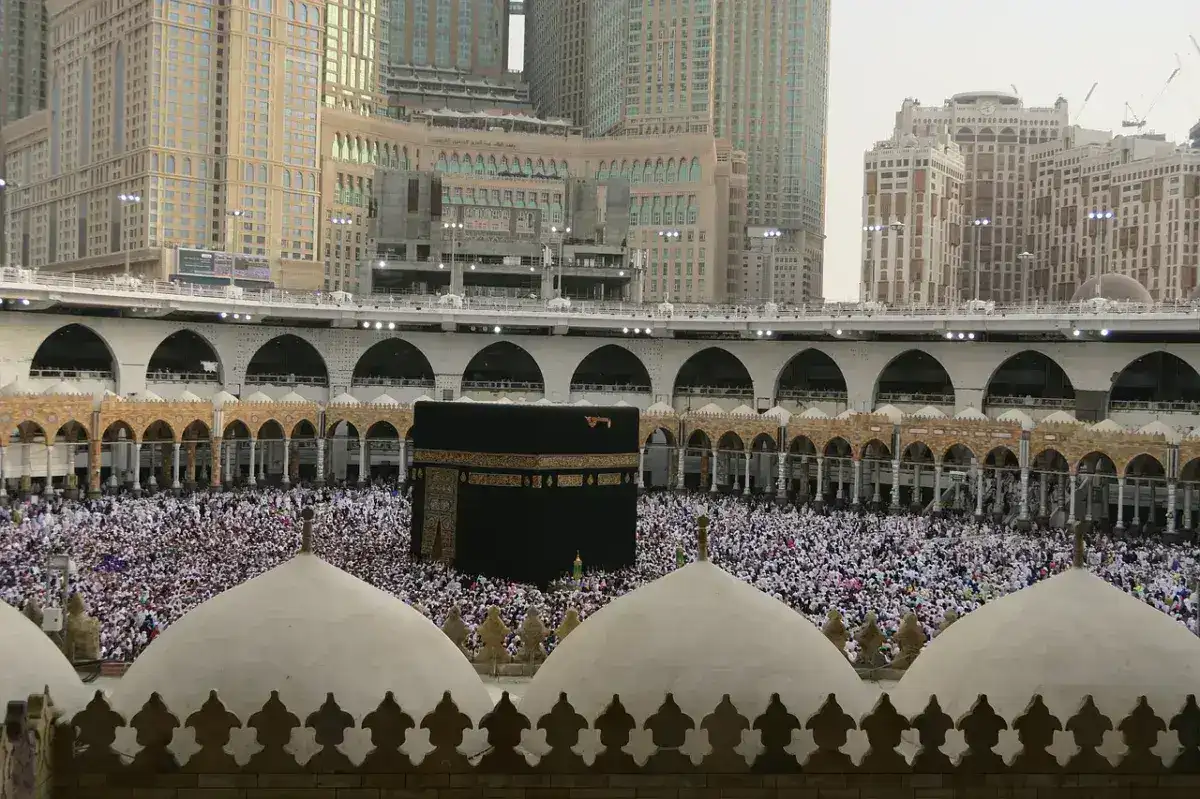
Over 1.6 million Muslim pilgrims have already arrived in Saudi Arabia for the annual Hajj pilgrimage, a significant religious event that began this week in the holy city of Mecca. This massive influx of faithful underscores the global importance of Hajj and the extensive logistical efforts undertaken by Saudi authorities to ensure a safe and spiritually fulfilling experience for all attendees.
Massive Scale of the Pilgrimage
The Hajj, one of the five pillars of Islam, is a mandatory religious duty for all adult Muslims who can physically and financially undertake the journey. Each year, millions of Muslims from around the globe gather in Mecca to perform a series of rituals that commemorate the actions of the Prophet Abraham and his family.
As of early June 2024, Saudi authorities reported that more than 1.6 million international pilgrims had entered the Kingdom, with numbers expected to rise as the official start dates approach. This figure represents a substantial mobilization of people, requiring meticulous planning across transportation, accommodation, and health services.
Logistical Preparations and Infrastructure
Saudi Arabia has invested heavily in infrastructure and technology to manage the Hajj pilgrimage. This includes expanding the Grand Mosque (Masjid al-Haram) in Mecca, enhancing public transportation systems like the Mashaer Railway, and deploying advanced crowd management technologies.
The Ministry of Hajj and Umrah, along with various security and health agencies, has been working for months to coordinate the arrival, movement, and care of pilgrims. Measures are in place to ensure pilgrims can perform their rituals smoothly and safely, with a focus on heat mitigation and health monitoring, especially given the summer temperatures in Mecca.
Technological Integration and Health Measures
This year’s Hajj sees a continued emphasis on utilizing technology to improve the pilgrim experience. Smart applications provide pilgrims with guidance, access to services, and real-time information. Health authorities have implemented strict screening protocols at entry points and established numerous medical facilities throughout Mecca and surrounding holy sites.
The Saudi Ministry of Health has urged pilgrims to adhere to health guidelines, including staying hydrated, avoiding prolonged exposure to the sun, and seeking medical attention if feeling unwell. Vaccination requirements and preventative measures against infectious diseases remain a priority to safeguard public health during the congregation.
Spiritual Significance and Global Community
Beyond the logistical challenges, the Hajj remains a profound spiritual journey for Muslims worldwide. It is a time of intense devotion, reflection, and a demonstration of the unity of the Muslim Ummah (community), transcending race, nationality, and social status.
The arrival of pilgrims signifies the culmination of years of anticipation and planning for many individuals. The shared experience of performing Hajj fosters a deep sense of brotherhood and sisterhood among Muslims, reinforcing their faith and commitment to Islamic principles.
Looking Ahead: What to Watch
As the Hajj pilgrimage unfolds, attention will be on the seamless execution of the rituals and the overall well-being of the millions of participants. Authorities will monitor crowd flow, health conditions, and the effectiveness of the implemented technologies and safety measures. The successful management of this year’s Hajj will be a testament to the ongoing efforts by Saudi Arabia to host this monumental global gathering, setting precedents for future religious events and large-scale public safety operations.