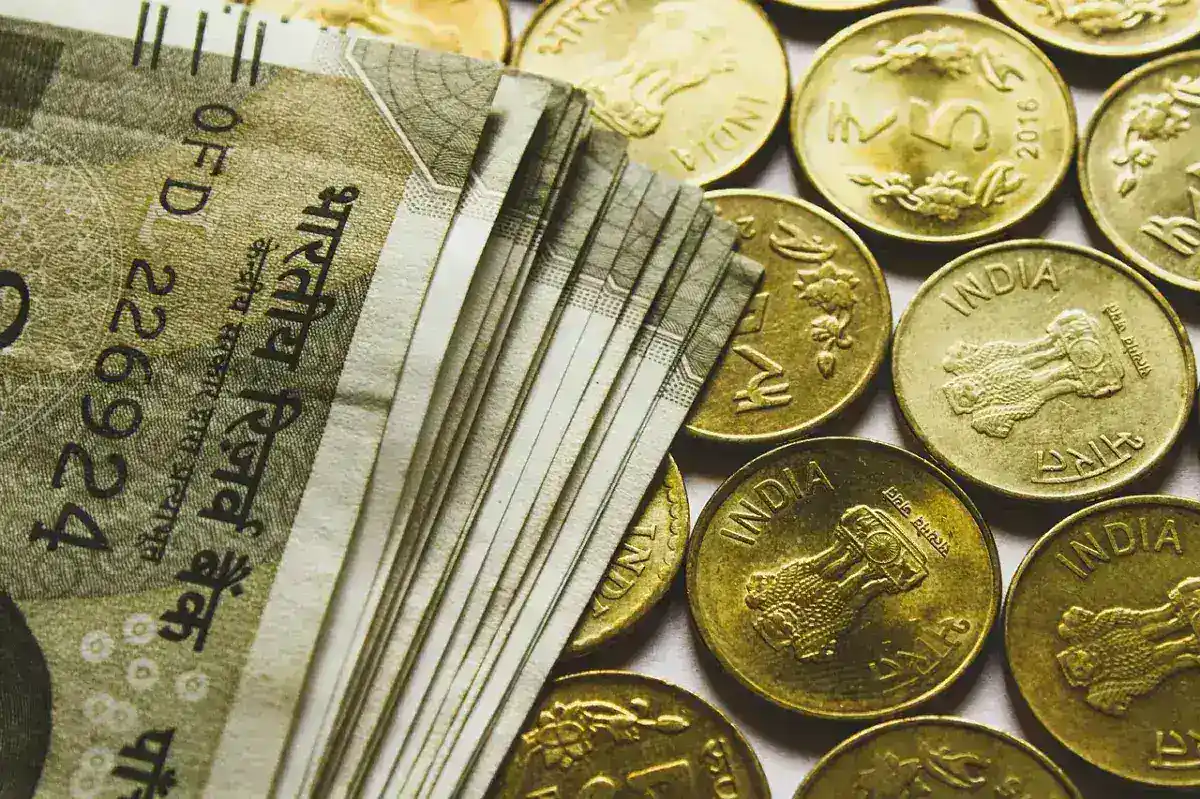





India’s economy is currently navigating a period of heightened financial instability as significant capital outflows and mounting depreciatory pressures on the rupee converge against a backdrop of global economic uncertainty. The confluence of rising international oil prices and a widening current account deficit has left the nation’s external accounts increasingly vulnerable, raising concerns among policymakers and investors alike.
The Context of Economic Pressure
The Indian rupee has faced a sustained downward trajectory throughout the current fiscal cycle, driven primarily by external factors rather than domestic policy shifts alone. As global central banks maintain a hawkish stance to combat inflation, foreign institutional investors have increasingly pulled capital from emerging markets in search of safer, higher-yielding assets in developed economies.
Simultaneously, India’s heavy reliance on energy imports makes its current account balance highly sensitive to fluctuations in global crude oil prices. When oil costs surge, the demand for foreign currency to settle import bills increases, further depleting domestic reserves and weakening the rupee’s exchange rate.
Multi-Dimensional Economic Strain
This economic squeeze is not occurring in a vacuum. The widening current account deficit indicates that India is spending more on imports than it is earning from exports, a gap that must be financed by capital inflows. When those inflows reverse into outflows, the central bank is forced to intervene, often at the cost of depleting its foreign exchange reserves.
Economists point out that the situation is exacerbated by the tightening of monetary policy in the United States and Europe. As interest rates rise abroad, the yield differential that once attracted capital to India narrows significantly. This flight of capital complicates the Reserve Bank of India’s (RBI) ability to manage inflation without stifling domestic growth.
Expert Perspectives and Data Analysis
Market analysts suggest that the rupee’s volatility is a direct reflection of these external shocks. Recent data from the RBI shows that while foreign exchange reserves remain at substantial levels, the pace of depletion has accelerated during periods of sharp currency depreciation.
Financial experts note that the core issue lies in the structural vulnerability of the external account. A report from a leading financial services firm highlighted that for every ten-dollar increase in the price of a barrel of oil, India’s import bill swells by billions of dollars, directly impacting the fiscal and current account deficits.
Future Implications for the Market
The immediate outlook for the Indian economy hinges on the stability of global energy markets and the trajectory of international interest rates. Should central banks in the West continue to hike rates, the pressure on the rupee is expected to persist, potentially forcing the RBI to consider further domestic monetary tightening to stabilize the currency.
For domestic industries, this environment suggests higher input costs and a potential slowdown in capital expenditure as borrowing costs rise. Investors should monitor the upcoming central bank policy reviews and global oil price trends as key indicators of short-term volatility. The resilience of the Indian economy will ultimately depend on its ability to attract long-term foreign direct investment to offset the volatile outflows of institutional capital.