



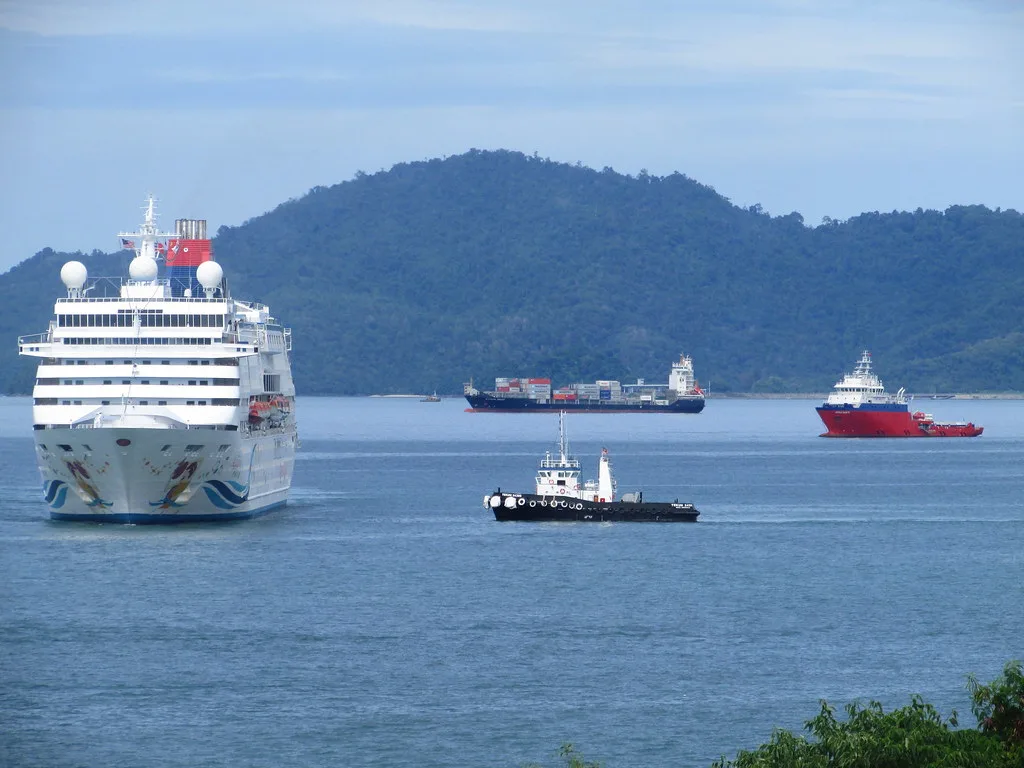
Approximately 20,000 seafarers are currently trapped aboard merchant vessels in the Persian Gulf following the abrupt closure of the Strait of Hormuz this week, a move triggered by escalating geopolitical tensions between the United States and Iran. The maritime bottleneck, which serves as the world’s most critical oil transit point, has effectively halted the movement of energy and commercial goods, leaving crews in a state of indefinite uncertainty as international naval forces assemble in the region.
A Strategic Chokepoint Under Pressure
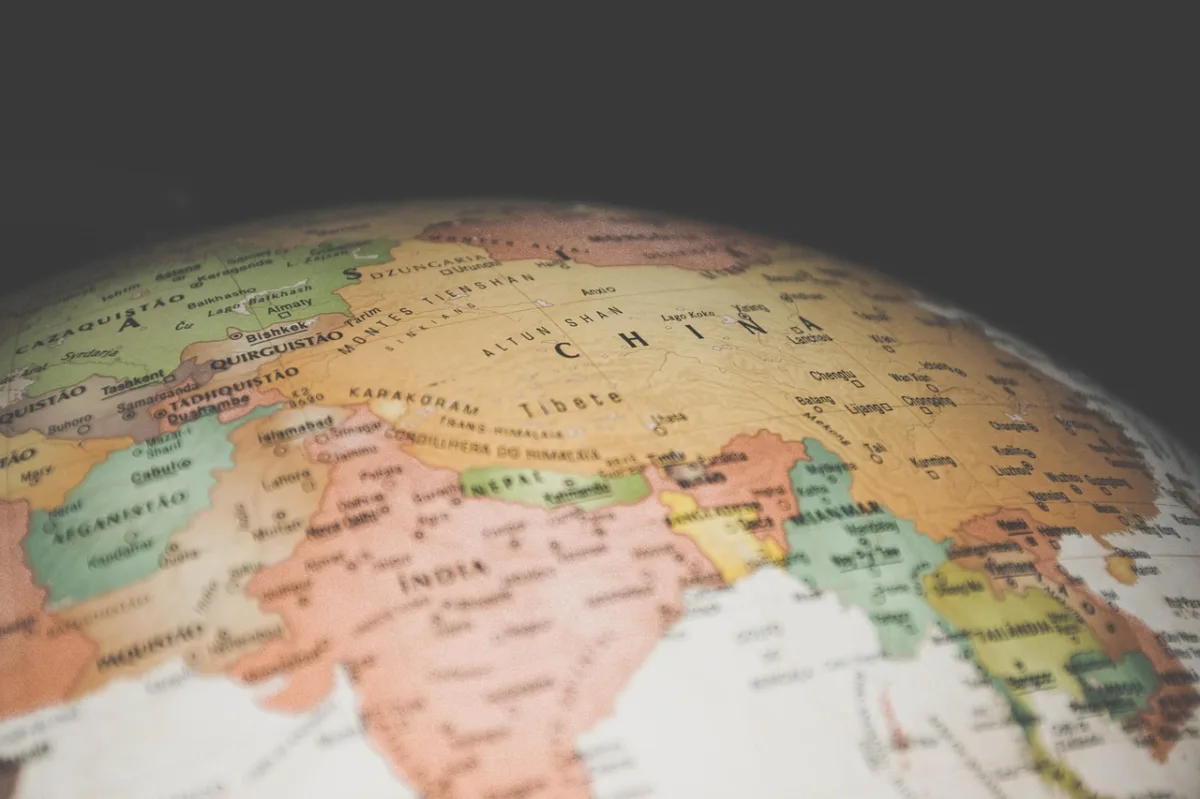
The Strait of Hormuz is a narrow waterway connecting the Persian Gulf with the Gulf of Oman and the Arabian Sea. Roughly 20% of the world’s total petroleum consumption passes through this passage daily, making it a focal point for global economic stability.
Recent diplomatic friction has culminated in the suspension of transit rights, creating a massive backlog of oil tankers and cargo ships. The closure forces vessels to remain at anchor, often without clear timelines for departure or access to fresh supplies.
The Human Toll of Geopolitical Standoffs
Industry advocates, including the International Chamber of Shipping, have raised urgent alarms regarding the welfare of the stranded crews. Extended stays at sea, compounded by the psychological stress of being caught in a potential conflict zone, pose significant risks to the mental health of seafarers.