



Security Tensions Escalate in Malmö
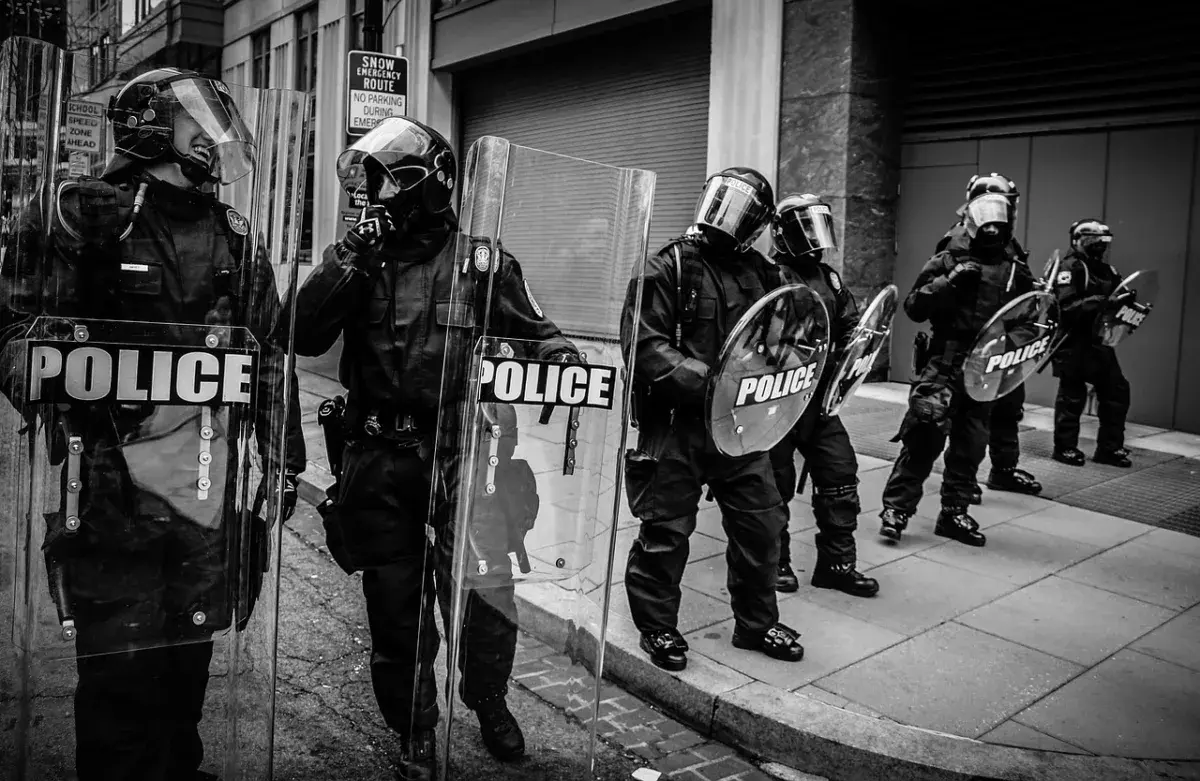
Swedish police intervened to disperse a large group of pro-Palestinian protesters near the Eurovision Song Contest venue in Malmö on Thursday, as heightened security measures surround the international music competition. The demonstration, which saw thousands gather to protest Israel’s participation in the event, resulted in several confrontations and temporary detentions as authorities moved to maintain order ahead of the evening’s semi-final performances.
Contextualizing the Controversy
The Eurovision Song Contest has long billed itself as a non-political cultural exchange, yet the 2024 edition has become a flashpoint for geopolitical tensions. Israel’s inclusion in the competition, amidst the ongoing military conflict in Gaza, has triggered widespread calls for boycotts from activists and various cultural organizations across Europe.
Organizers have faced immense pressure to ban Israel from the competition, similar to the exclusion of Russia following its 2022 invasion of Ukraine. However, the European Broadcasting Union (EBU) has consistently maintained that the Israeli public broadcaster meets all regulatory requirements for membership, thereby allowing their entry to proceed.
Multiple Perspectives on the Conflict
Protesters argue that the inclusion of an Israeli representative, singer Eden Golan, serves to normalize the humanitarian crisis in Gaza. During the demonstrations, participants held signs and chanted slogans, calling for a permanent ceasefire and the withdrawal of Israeli forces from Palestinian territories.
Conversely, the EBU and local Malmö officials have prioritized security, citing the need to ensure the safety of performers and the public. Authorities have implemented a ‘ring of steel’ around the Malmö Arena, utilizing advanced surveillance and deploying extra police units from across Sweden and neighboring Denmark to prevent potential disruptions to the broadcast.
Expert Analysis and Security Data
Security analysts suggest that the protest activity reflects a broader trend of international events becoming vehicles for political expression. According to public safety reports released by the Malmö police department, the city has seen a 40% increase in demonstration activity since the escalation of the conflict in October 2023.
Dr. Elena Rossi, an expert in international security, noted that the Eurovision venue provides a unique stage for activists. ‘When you host a globally televised event, you are essentially providing a megaphone for political grievances,’ she explained. ‘The challenge for host nations is balancing the fundamental right to protest with the operational necessity of hosting an international production without incident.’
Industry Implications
For the music industry, these events signal a shift in how major cultural festivals are managed and insured. The costs associated with security for this year’s Eurovision have reportedly reached record highs, forcing organizers to rethink the logistical viability of hosting such events in urban centers during times of global instability.
Looking ahead, the focus remains on the final broadcast scheduled for Saturday, where security officials expect further demonstrations. Observers are watching to see if the EBU will be forced to implement stricter protocols regarding audience behavior during the live broadcast, potentially impacting the traditional atmosphere of the contest. The outcome of the event may set a precedent for how global cultural platforms navigate the intersection of entertainment and geopolitical activism in the years to come.