




Diplomatic and Legislative Developments
In a week marked by significant geopolitical and legislative movement, political analysts David Brooks and Jonathan Capehart joined PBS NewsHour anchor Amna Nawaz to dissect President Donald Trump’s high-stakes diplomatic visit to China, the failure of a war powers resolution regarding Iran, and the president’s recent assertions concerning the economic status of American households. The discussion, aired this week, highlights the ongoing friction between executive foreign policy initiatives and legislative oversight in Washington.
Contextualizing the Global and Domestic Agenda
The recent trip to China serves as a pivotal moment in the administration’s broader trade and security strategy. Observers note that these discussions occur at a time when the U.S. is recalibrating its approach to international relations, shifting from traditional alliances toward a more transactional, direct engagement style.
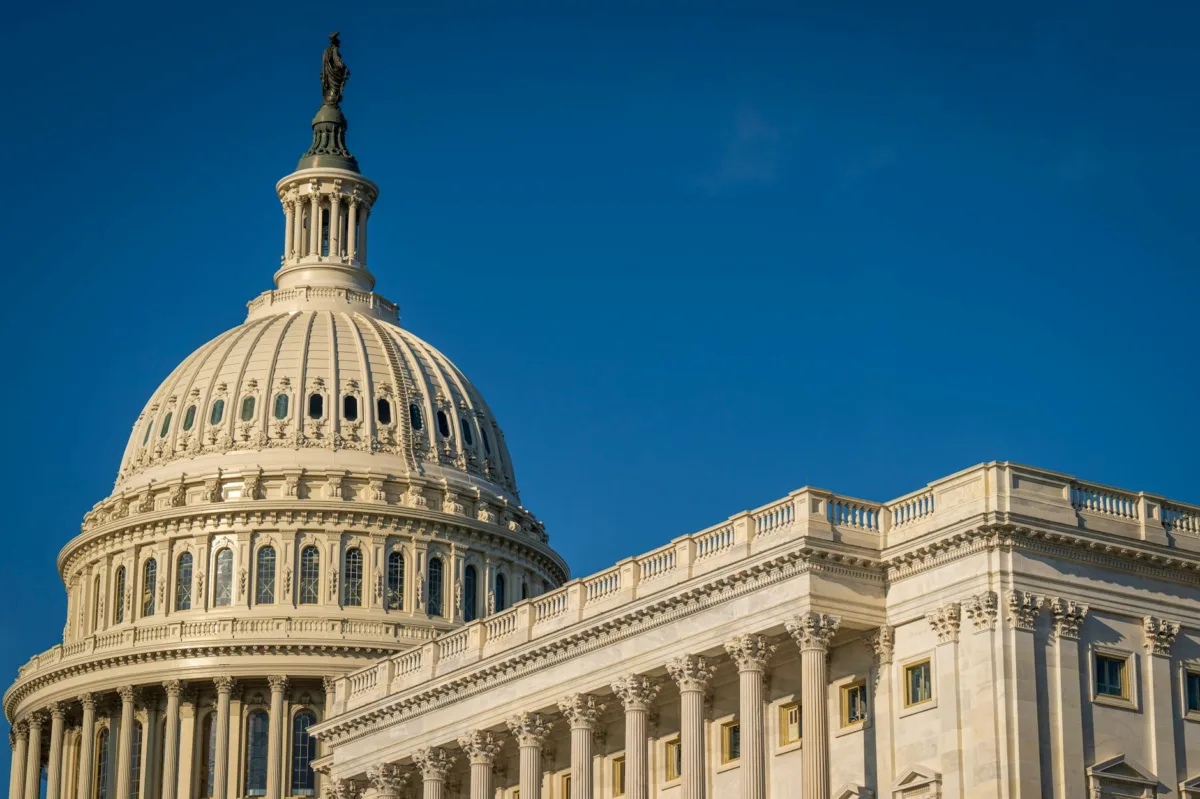
Simultaneously, the legislative landscape remains tense. The rejection of the war powers resolution regarding Iran underscores the persistent struggle within Congress to assert its constitutional authority over military engagements. This debate represents a long-standing tension between the executive branch’s prerogative for rapid response and the legislative branch’s oversight responsibilities.
Analyzing Economic Claims and Public Sentiment
Beyond the geopolitical theater, the discourse surrounding the financial health of Americans remains a central point of contention. President Trump’s recent comments suggesting that the economic situation for the average citizen is thriving have drawn sharp scrutiny from political commentators. While current economic indicators often show growth, the lived reality for many Americans is shaped by inflation and wage stagnation, creating a disconnect between executive rhetoric and public perception.
According to data from the Bureau of Economic Analysis, while GDP growth remains positive, consumer sentiment indices frequently reflect anxieties regarding cost-of-living adjustments. Analysts argue that this gap in perception is a critical factor that could influence upcoming electoral cycles, as voters weigh macro-economic data against their personal financial balance sheets.
Expert Perspectives on Executive Authority
Jonathan Capehart argued that the administration’s approach to both the Iran resolution and foreign diplomacy reflects a desire to consolidate power within the executive branch. This concentration of authority, he noted, often leaves members of Congress in a reactive posture rather than a proactive one.
David Brooks added that the broader political climate is increasingly defined by a shift away from traditional policy deliberation. Instead, the focus has moved toward symbolic victories and the management of public narratives. This shift makes it increasingly difficult for moderate or bipartisan efforts to gain legislative traction.
Looking Toward Future Policy Implications
The implications of these developments for the industry and the general public are significant. As the executive branch continues to test the boundaries of its power, the role of Congress as a check on that authority will face further stress tests in the coming months.
Observers should watch for how the administration reconciles its trade promises in China with actual domestic economic performance. Furthermore, the push for greater legislative oversight in foreign policy is likely to intensify as the next election cycle approaches. The ability of the electorate to reconcile political messaging with their personal financial reality remains the most critical variable to monitor in the near term.