




The Risk of Maritime Disruption
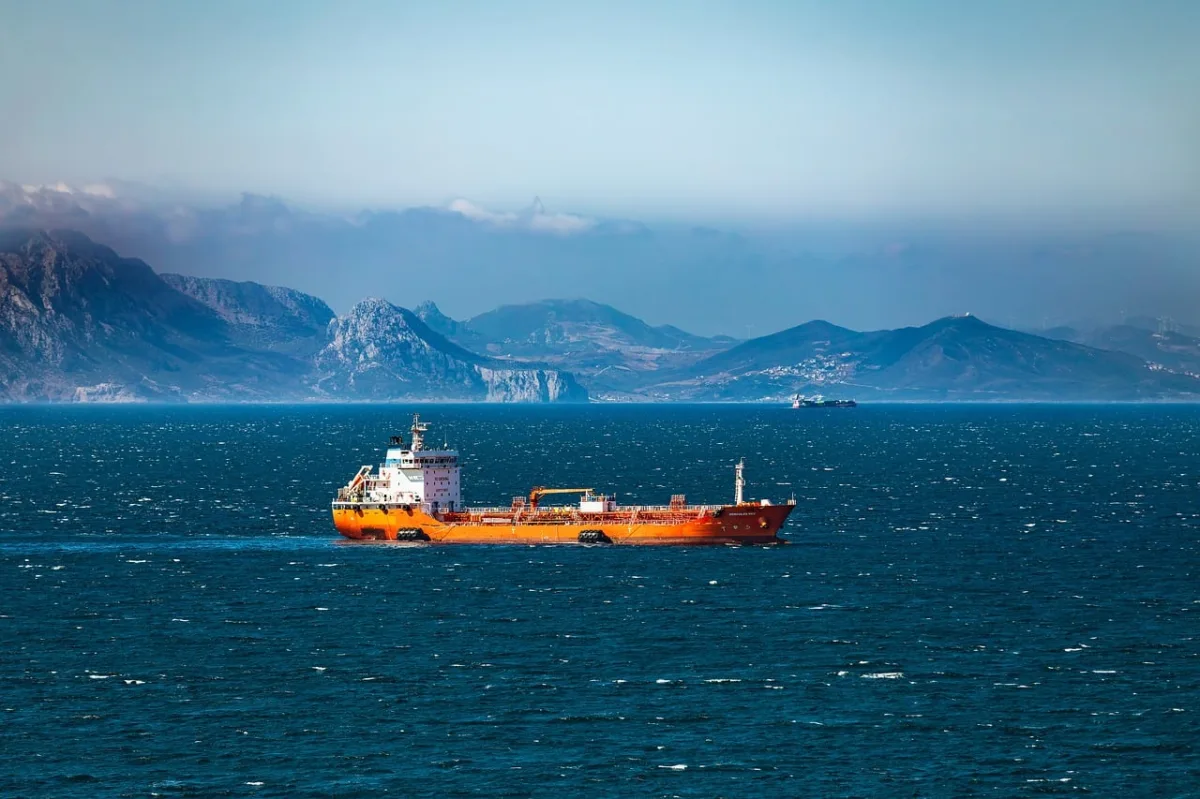
The United Nations has issued a stark warning this week, cautioning that escalating military tensions between Iran and Western powers in the Strait of Hormuz could trigger a severe global food and fertilizer crisis. As a critical chokepoint for international trade, the narrow waterway facilitates the transit of nearly 20% of the world’s petroleum and significant volumes of agricultural commodities, making any conflict-driven blockage a potential catalyst for widespread economic instability.
The Strait of Hormuz serves as the primary maritime artery for Gulf states, connecting the oil-rich Persian Gulf to the Gulf of Oman and the Arabian Sea. According to the U.S. Energy Information Administration, approximately 21 million barrels of oil pass through this passage daily, alongside massive shipments of ammonia, a key ingredient in synthetic fertilizers. Any disruption here does not merely affect energy prices; it ripples through the global supply chain, specifically targeting the affordability of food production in import-dependent nations.
Economic Fragility and Fertilizer Costs
The global food system is currently operating on razor-thin margins, with many developing nations still recovering from the inflationary shocks caused by the conflict in Ukraine. Fertilizer prices are intrinsically linked to natural gas prices, which are highly sensitive to regional stability in the Middle East. If transit through the Strait is restricted or halted, the resulting surge in shipping insurance premiums and fuel costs would likely force fertilizer prices to spike, effectively pricing out smallholder farmers in Africa and Asia.
Data from the Food and Agriculture Organization (FAO) suggests that even a 10% increase in fertilizer costs can lead to a 5% reduction in crop yields in vulnerable regions. This creates a dangerous feedback loop where reduced production leads to higher food prices, exacerbating hunger in areas already facing acute food insecurity. The UN’s World Food Programme has highlighted that such a scenario could push millions more into the category of people facing ‘crisis levels’ of hunger.
Geopolitical Stakes and Supply Chain Vulnerability
International security analysts note that the threat is not limited to physical blockades but extends to the psychological impact on global shipping markets. Even the mere threat of military escalation causes insurance ‘war risk’ premiums to skyrocket, forcing shipping companies to reroute vessels around the Cape of Good Hope. This detour adds thousands of miles and weeks of transit time to global supply chains, increasing the carbon footprint and the final cost of essential goods.
Industry experts emphasize that the world lacks a robust ‘Plan B’ for the transit of these specific commodities. While some pipelines exist to bypass the strait, they are insufficient to handle the volume currently moving by sea. As long as regional volatility remains high, the global agricultural sector will remain in a state of high alert, vulnerable to the strategic posturing of state actors in the region.
Looking Ahead
Market observers are closely monitoring diplomatic efforts to de-escalate tensions, as any breakdown in communication between Tehran and international stakeholders will likely lead to further market volatility. The primary concern for the coming months is whether diplomatic channels can secure ‘safe passage’ guarantees for commercial vessels regardless of military posturing. Should these efforts fail, the industry expects a move toward aggressive stockpiling of fertilizers by major agricultural exporters, which would further tighten global supplies and increase inflationary pressure on food prices well into the next harvest cycle.