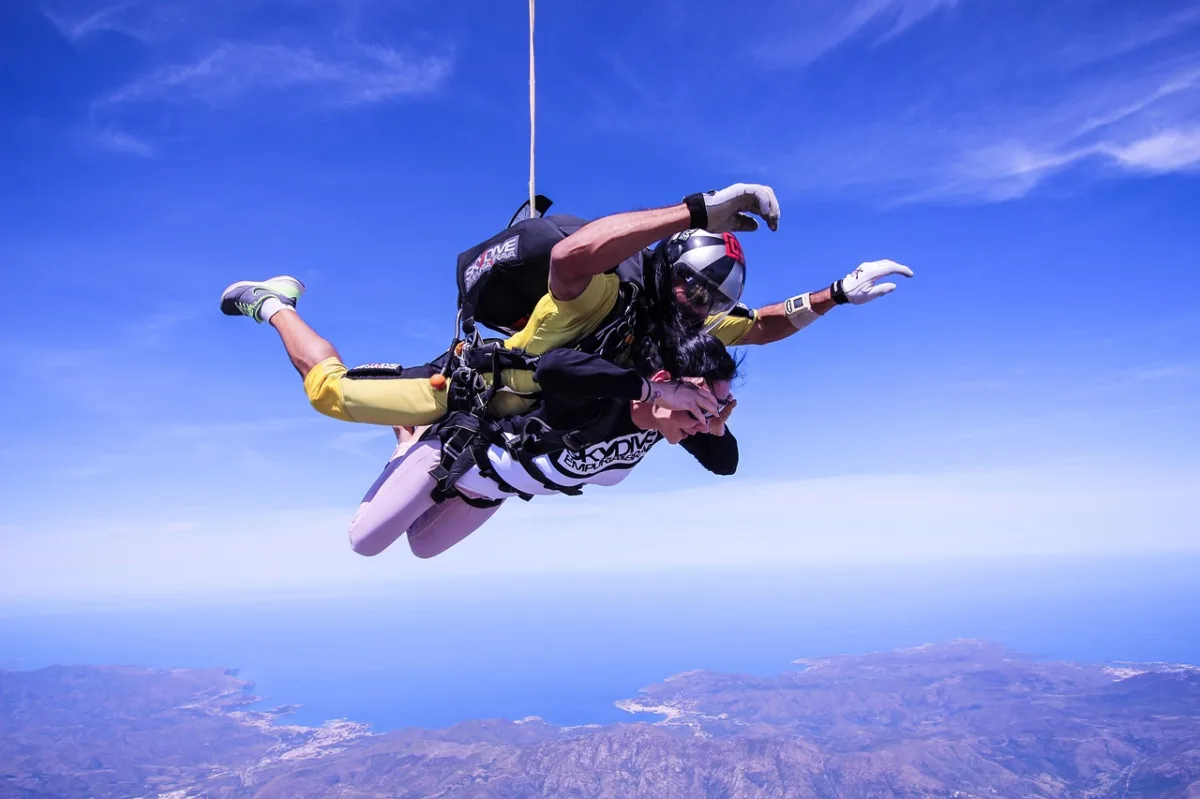
In the bustling urban landscape of Mumbai, a growing subculture of athletes and street performers is redefining the limits of human physical endurance this week. Through a series of viral images capturing extreme calisthenics and acrobatic feats, these individuals, often referred to as the ‘superhumans of Mumbai,’ are bringing international attention to the city’s unique intersection of grit and athletic discipline.
The Evolution of Urban Athletics
The trend stems from a long-standing tradition of physical culture in India, ranging from ancient wrestling pits known as Akhadas to the modern rise of parkour and street workout movements. Over the past decade, these practitioners have utilized public spaces, such as Marine Drive and local beaches, as their primary training grounds.
Urban development in Mumbai has historically lacked sufficient recreational sports infrastructure for the city’s massive youth population. Consequently, residents have turned to the city’s concrete infrastructure to build their own training environments, transforming scaffolding, railings, and public parks into makeshift gymnastic centers.
Anatomy of a Movement
The ‘superhuman’ label is not merely aesthetic; it is rooted in the high-intensity training regimens these athletes follow. Many spend upwards of five hours a day practicing bodyweight exercises, often without the aid of modern gym equipment or professional coaching.
Data from local fitness communities suggest that this grassroots movement has grown by approximately 30% annually since 2018. The accessibility of social media platforms has acted as a catalyst, allowing these athletes to share techniques, build audiences, and document their progress in real-time.
Expert Perspectives
Sports physiologists note that the unique environmental constraints of Mumbai—high humidity and dense urban settings—force athletes to develop superior cardiovascular efficiency. Dr. Vikram Singh, a consultant in sports medicine, notes that the functional strength displayed by these athletes is often superior to those training in climate-controlled, commercial gym environments.
However, the lack of professional regulation poses significant health risks. Experts warn that without proper nutrition and injury management, the long-term physical toll on the joints and ligaments of these athletes remains a significant concern for the local health sector.
Economic and Social Implications
For the industry, this trend signals a shift in how fitness brands might approach the Indian market. Multinational athletic apparel companies are beginning to take notice, looking at these athletes as potential brand ambassadors who represent ‘authentic’ grit rather than polished studio fitness.
Beyond the commercial aspect, the movement serves as a social equalizer. In a city defined by extreme socioeconomic stratification, the training grounds on the beach act as a neutral space where skill and discipline outweigh financial background or social status.
Observers should watch for the formalization of these groups into athletic federations, which could lead to increased government support and safer training facilities. As international interest grows, the potential for these athletes to transition into professional stunt work, film choreography, and competitive sports circuits will likely become the next major development to monitor.