



An eighth-grade student drowned in the backwaters of Alappuzha on Tuesday afternoon after slipping into deep water while playing near the embankment. Local authorities and police confirmed that the incident occurred during a school break, prompting an immediate search operation by local rescue divers and the fire brigade.
Context of Backwater Safety
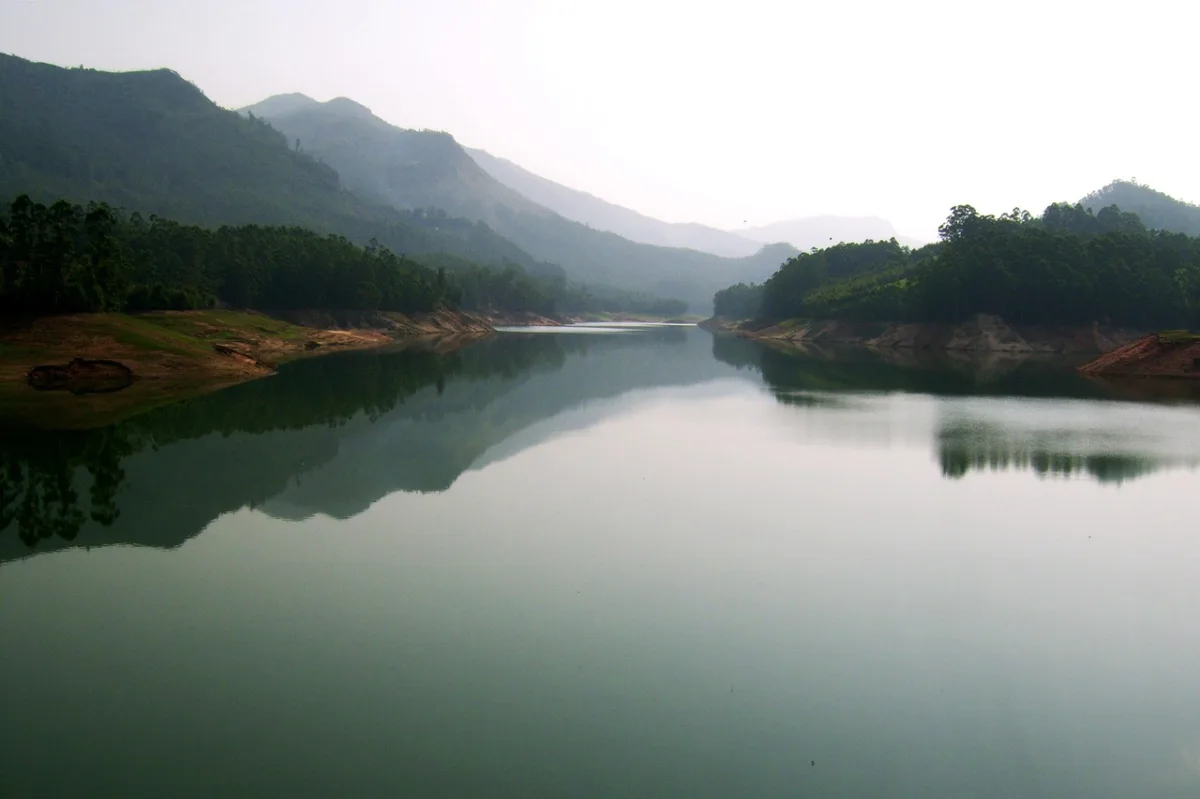
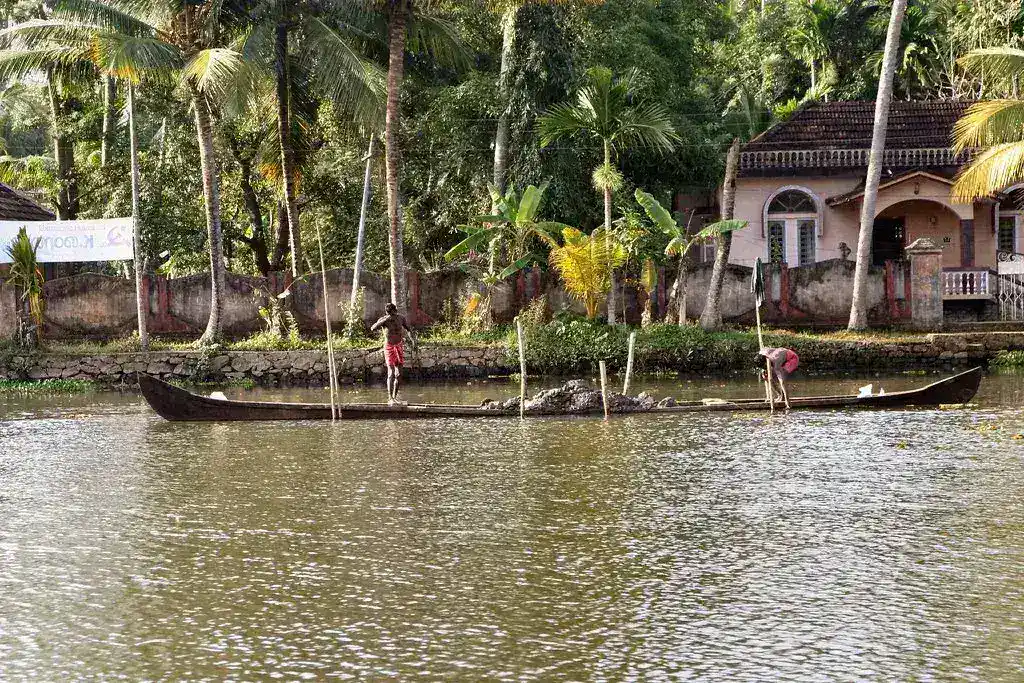
The backwater regions are a primary geographical feature of the area, characterized by complex networks of canals, lagoons, and lakes. While these areas are central to local tourism and transport, they pose significant risks to those unfamiliar with the sudden depth variations and strong undercurrents common in these channels.
The Incident and Response
Eyewitnesses reported that the boy was with a group of friends when he ventured onto the slippery bank of the canal. Despite attempts by his peers to reach him, the student was quickly pulled away by a strong current before help could be summoned.
Emergency responders arrived at the scene within twenty minutes of receiving the distress call. Divers spent several hours navigating the murky, deep waters to locate the boy, eventually recovering his body late in the evening.
Expert Perspectives on Water Safety
Safety experts emphasize that the deceptive calm of the backwaters often leads to a false sense of security among local youth. According to the National Crime Records Bureau, accidental drownings remain a leading cause of preventable death in coastal regions, particularly among school-aged children.
“Environmental hazards in these water bodies are often invisible from the surface,” says a representative from the local disaster management authority. “Sudden shelves and deep drop-offs, combined with soft, unstable mud banks, make these areas extremely perilous for unsupervised children.”
Industry and Community Implications
The tragedy has reignited calls for stricter safety measures and improved surveillance around public water bodies. School administrators are now facing pressure to implement mandatory water safety workshops and to restrict access to canal banks during school hours.
For the broader community, the incident serves as a grim reminder of the necessity for better physical barriers and warning signage in high-risk zones. Local government officials have announced an upcoming review of safety infrastructure, including the potential installation of fencing in areas frequently accessed by pedestrians.
Observers suggest that the focus will now shift toward long-term prevention strategies, including public awareness campaigns regarding water safety. Stakeholders are expected to monitor the progress of these safety reviews closely in the coming months to determine if existing policies are sufficient to prevent future fatalities.