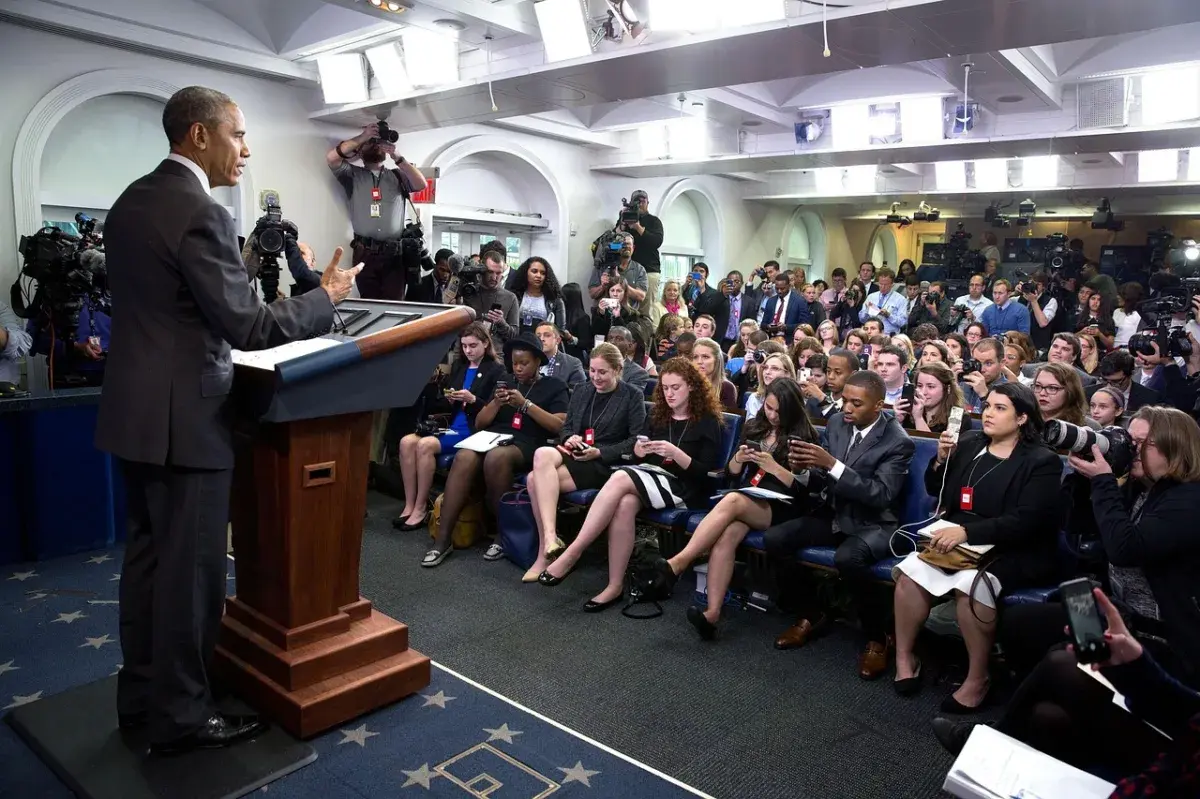




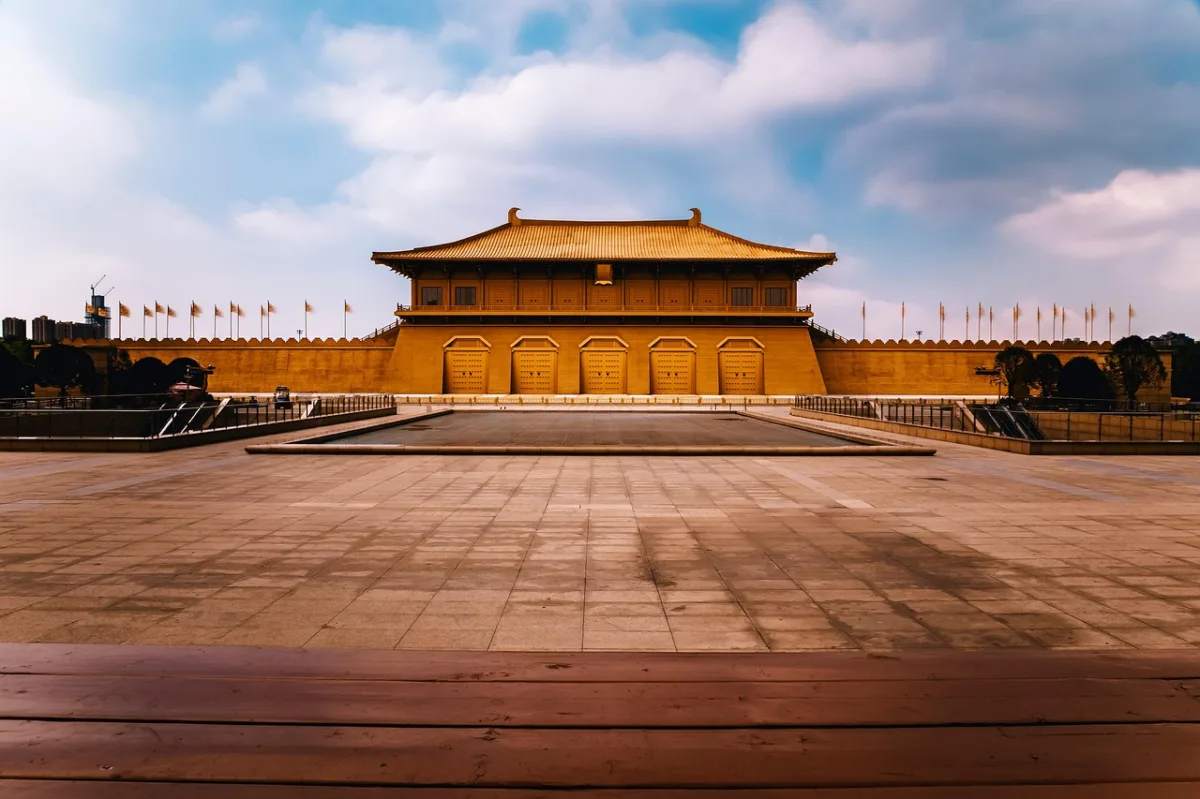
President Donald Trump and Chinese President Xi Jinping concluded a high-stakes summit in Beijing on Friday, marking the end of a diplomatic visit defined by intense negotiations over international trade imbalances and firm rhetoric regarding the status of Taiwan. The two leaders sought to project an image of cooperation while navigating deep-seated structural disagreements that have long characterized the world’s most significant bilateral relationship.
The Context of US-China Relations
The visit occurred against a backdrop of mounting economic tension, as the United States has frequently criticized China’s trade practices, citing intellectual property theft and market access barriers. These issues have formed the core of Washington’s grievances, with the Trump administration previously signaling a shift toward more protectionist policies to address a record-high trade deficit.
Historically, US-China summits serve as a barometer for global economic stability. While both nations have deep financial interdependencies, the shift in political leadership in Washington has introduced a more confrontational approach to diplomacy, replacing decades of engagement-based strategies with a transactional focus on concrete concessions.
Trade Negotiations and Economic Priorities
During the summit, both administrations prioritized the reduction of the trade deficit, with officials from both sides working behind the scenes to hammer out deals involving energy, agriculture, and manufacturing. The White House aimed to secure commitments that would favor American exporters, while Beijing sought to stabilize the investment climate for Chinese firms operating within the United States.
Economic analysts point out that while symbolic deals are common during such visits, the structural issues—such as state subsidies and technology transfer requirements—remain largely unresolved. According to data from the Office of the United States Trade Representative, the trade deficit with China reached historic levels prior to the summit, providing the primary impetus for the administration’s aggressive negotiating stance.
Geopolitical Friction and the Taiwan Question
Beyond economics, the visit was punctuated by stern warnings regarding regional security, specifically concerning Taiwan. The status of the island remains the most sensitive issue in the relationship, with Beijing viewing it as a breakaway province and Washington maintaining a policy of strategic ambiguity while providing defensive support.
Diplomatic observers noted that the public rhetoric from the Trump delegation served to reinforce the United States’ commitment to its regional allies. By addressing the Taiwan issue directly in the presence of President Xi, the administration signaled a departure from the more cautious diplomatic language utilized by previous administrations.
Expert Perspectives on Strategic Outcomes
International relations experts suggest that the summit functioned more as a stage for domestic political consumption than as a catalyst for immediate policy shifts. Dr. Elena Rodriguez, a senior fellow at the Center for Global Policy, noted that the success of the visit will be measured not by the rhetoric exchanged in Beijing, but by the enforcement of the agreements in the months to follow.
“The challenge for both leaders is to satisfy their domestic bases while avoiding a total breakdown in communication,” Rodriguez stated. “The trade figures are the metric the public watches, but the security assurances are what keep the geopolitical order intact.”
Future Implications and What to Watch
Looking forward, the global market will closely monitor the implementation of the trade commitments announced during the meetings. If the promised increase in American exports to China fails to materialize, analysts anticipate a potential escalation in tariff threats and regulatory scrutiny.
Furthermore, observers are tracking the next round of maritime security dialogues and diplomatic communications between the two powers. Any deviation from the status quo regarding Taiwan or the South China Sea will likely serve as the next indicator of whether the Beijing summit successfully de-escalated tensions or merely provided a temporary pause in a broader strategic competition.