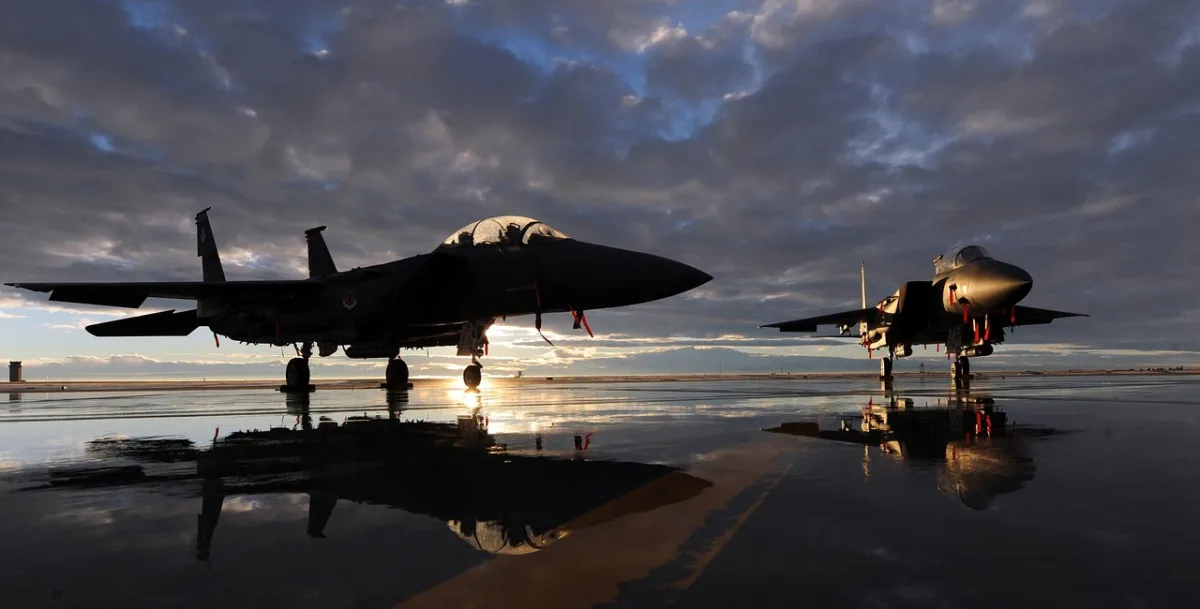




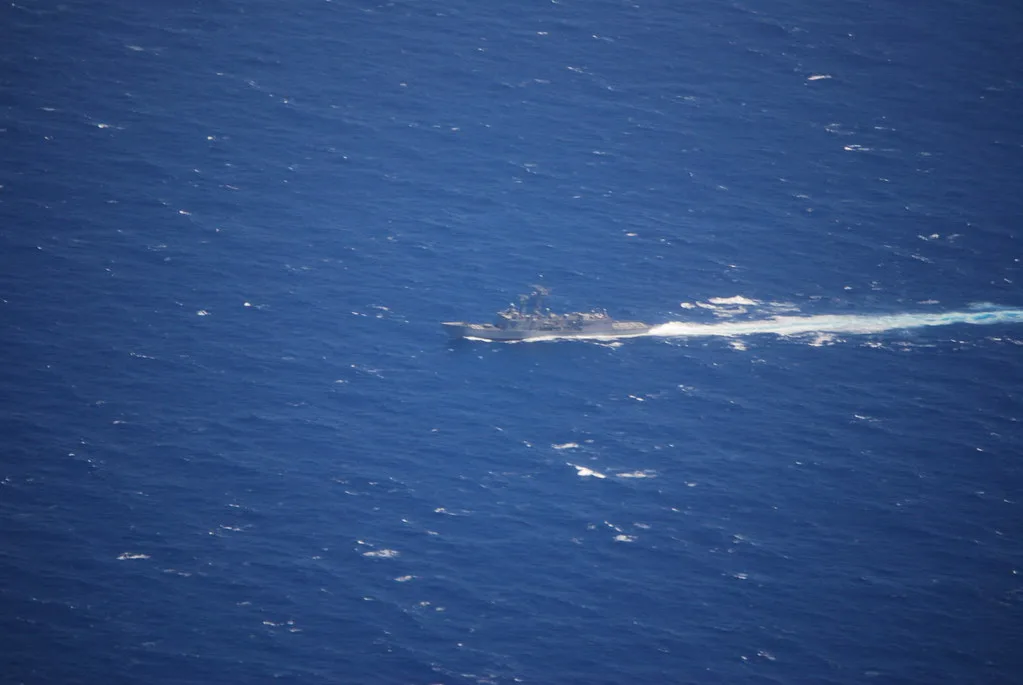
Tensions in the Strait of Hormuz reached a critical juncture this week as U.S. and Iranian forces engaged in a series of direct military strikes, threatening to dismantle a fragile cease-fire that has held for months. The exchange of fire, occurring in one of the world’s most vital maritime chokepoints, has prompted immediate international concern over the security of global energy supplies and the stability of the broader Middle East region.
A History of Maritime Volatility
The Strait of Hormuz serves as the passage for approximately 20 percent of the world’s oil consumption, making it a recurring theater for geopolitical friction. Relations between Washington and Tehran have remained strained for decades, characterized by cycles of sanctions, proxy conflicts, and naval posturing. The current escalation follows a period of relative calm, during which international mediators worked to establish communication channels to prevent accidental military encounters.
The Anatomy of the Recent Strikes
Military officials report that the conflict began following an alleged harassment incident involving Iranian fast-attack craft and a commercial tanker under U.S. escort. In response, U.S. naval assets launched precision strikes against coastal radar installations identified as the sources of regional surveillance targeting international shipping. Iran retaliated shortly thereafter, deploying drone swarms against U.S. support vessels stationed in the Persian Gulf.
Pentagon spokespeople emphasized that the U.S. actions were limited and defensive in nature, intended to maintain freedom of navigation. Conversely, Iranian state media characterized the U.S. strikes as an act of aggression and a violation of sovereign territory, signaling that further provocations would be met with an expanded military response.
Expert Analysis on Regional Stability
Defense analysts suggest that both nations are currently engaged in a high-stakes game of signaling. According to data from the International Institute for Strategic Studies, the presence of advanced anti-ship missiles in the region has significantly increased the risk profile for commercial maritime traffic. Dr. Elena Rossi, a senior fellow at the Center for Maritime Security, notes that the current environment leaves little room for diplomatic error.
“The risk is not necessarily an intentional shift toward total war, but rather the danger of miscalculation,” Rossi stated. “When naval assets operate in such close proximity, the threshold for a tactical mistake to escalate into a strategic conflict is dangerously low.”
Economic and Global Implications
The immediate consequence of this escalation has been a noticeable spike in global oil futures, as market traders react to the threat of a potential blockade. Shipping insurers have begun to revisit risk premiums for vessels traversing the Persian Gulf, a move that could inflate the cost of goods and energy globally if the situation remains unresolved. For the shipping industry, the uncertainty creates an operational nightmare, forcing companies to weigh the necessity of transit against the safety of their crews.
Looking Ahead: The Path of Escalation
The coming days will be defined by whether both sides can return to the negotiating table or if the cycle of retaliation will necessitate a shift in military posture. Observers are closely monitoring for signs of de-escalation, such as the withdrawal of naval assets to previous patrol lines or the resumption of diplomatic back-channel communications. Failure to contain the current friction could lead to a permanent increase in military presence in the region, fundamentally altering the security landscape for the remainder of the year.