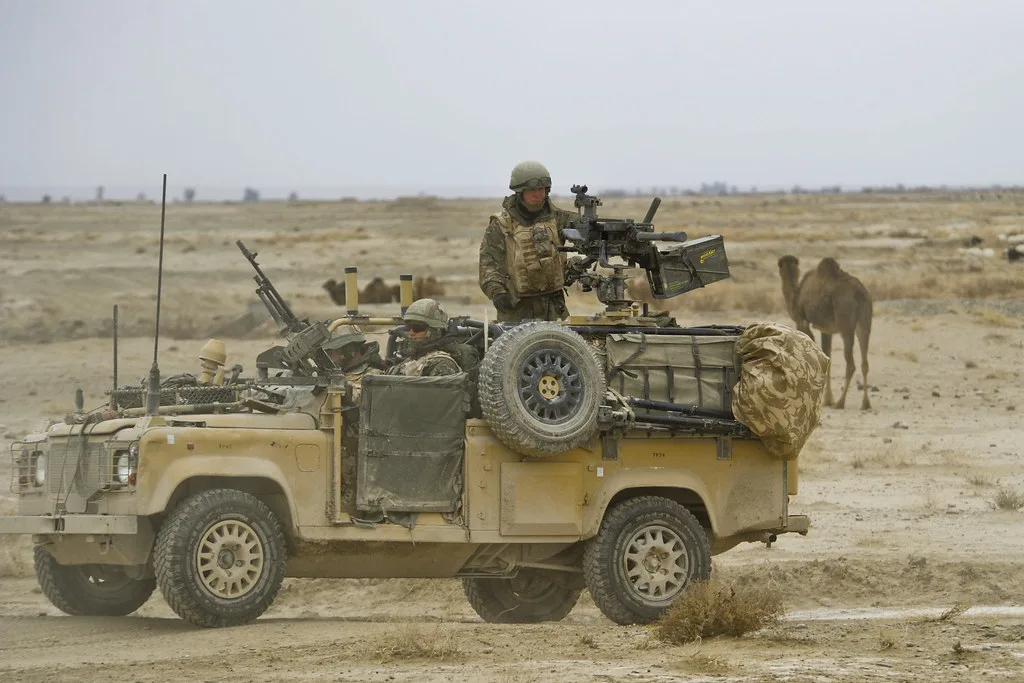





U.S. President Donald Trump announced on May 15 that a coordinated military operation between U.S. and Nigerian armed forces successfully killed the second-in-command of ISIS globally. The operation, conducted on African soil, targeted Abu-Bilal al-Minuki, a senior operative accused of orchestrating regional terror campaigns and plotting attacks against American interests.
Context of ISIS Operations in West Africa
The Sahel and Lake Chad Basin regions have become increasingly volatile as various extremist factions, including ISIS-affiliated groups, attempt to expand their territorial influence. Historically, ISIS has utilized these porous borders to establish training camps and logistics hubs, often leveraging local grievances to recruit fighters.
Intelligence reports from the U.S. Africa Command (AFRICOM) have consistently identified West Africa as a critical theater for counter-terrorism efforts. The death of a figure as high-ranking as al-Minuki represents a significant tactical victory for the coalition forces operating in the region.
Strategic Impact of the Operation
The removal of al-Minuki creates a critical power vacuum within the ISIS command structure. Analysts suggest that the loss of a second-in-command, particularly one tasked with international coordination, disrupts the group’s ability to sync operations between its Middle Eastern roots and its burgeoning African affiliates.