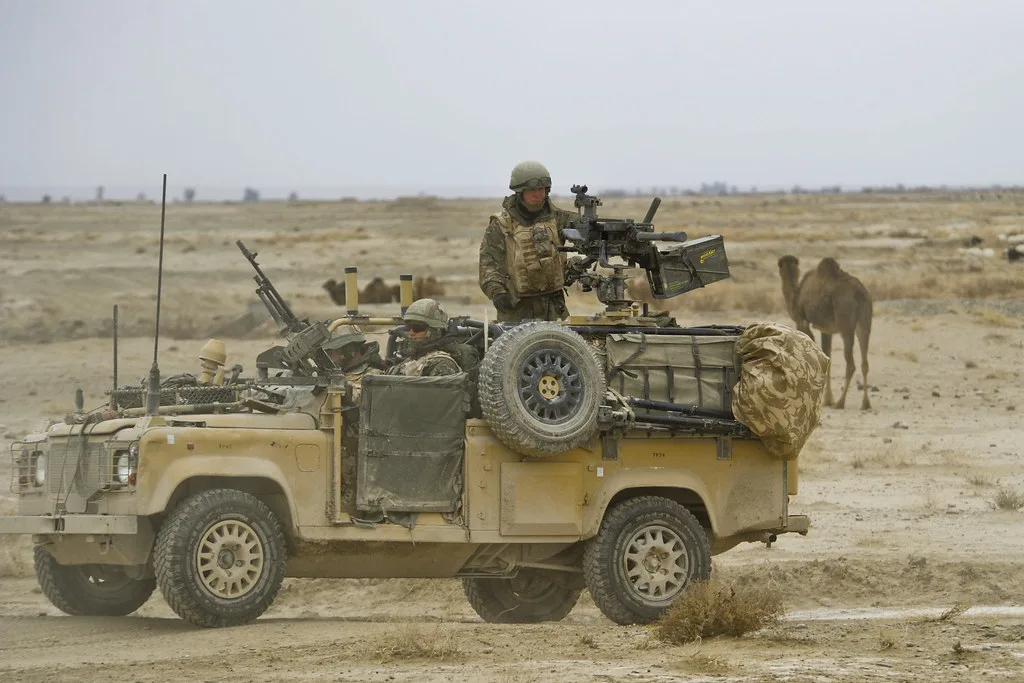





President Donald Trump announced on Friday evening that a joint military operation conducted by U.S. special operations forces and Nigerian military units resulted in the death of Abu-Bilal al-Minuki, a prominent leader within the Islamic State (IS) insurgency. The mission, carried out in a remote region of Nigeria, marks a significant tactical shift in the ongoing counter-terrorism efforts across the Sahel and Lake Chad Basin regions.
The Context of Regional Instability
The Lake Chad Basin has long served as a stronghold for extremist factions, including Boko Haram and its splinter group, the Islamic State West Africa Province (ISWAP). Abu-Bilal al-Minuki had been identified by intelligence agencies as a key figure responsible for coordinating logistical support and propaganda efforts for the group.
International security analysts have noted an uptick in insurgent activity in the region over the past eighteen months. This joint operation reflects a deepening security cooperation between the United States and the Nigerian government, aimed at curbing the expansion of transnational militant networks.
Operational Dynamics and Security Shifts
Details regarding the tactical execution of the strike remain classified, though Pentagon officials confirmed the use of precision assets to minimize collateral damage. The operation represents the culmination of months of intelligence gathering and inter-agency coordination between U.S. Africa Command (AFRICOM) and local forces.
Experts suggest that the removal of high-level commanders often creates temporary power vacuums within insurgent organizations. Dr. Elena Vance, a senior fellow at the Global Security Institute, noted that while the death of a leader provides a symbolic victory, the underlying socio-economic drivers of the insurgency often remain unaddressed.
Data from the Armed Conflict Location & Event Data Project (ACLED) indicates that violence in Nigeria’s northern states has displaced millions of residents, creating a complex humanitarian crisis. Military successes are frequently measured by the degradation of command-and-control structures, yet the long-term stability of the region continues to rely on governance and regional development initiatives.
Implications for Global Counter-Terrorism
For the defense industry and international policy makers, this event underscores the continued reliance on small-footprint, high-impact counter-terrorism missions. The U.S. strategy appears to be prioritizing local partner capacity-building to combat localized threats that have international implications.
Observers are now looking toward the immediate aftermath of this strike to see if other militant factions attempt to consolidate territory or if internal leadership struggles will lead to further fragmentation. Continued surveillance in the Lake Chad region remains a high priority for Western intelligence agencies as they monitor for potential retaliation or shifts in operational tactics.
Future developments will depend on the ability of Nigerian security forces to hold territory and provide a secure environment for civilian governance. Analysts will be closely tracking whether this operation leads to a sustained reduction in attacks on local infrastructure or if the group’s decentralized structure allows for a rapid replacement of leadership.