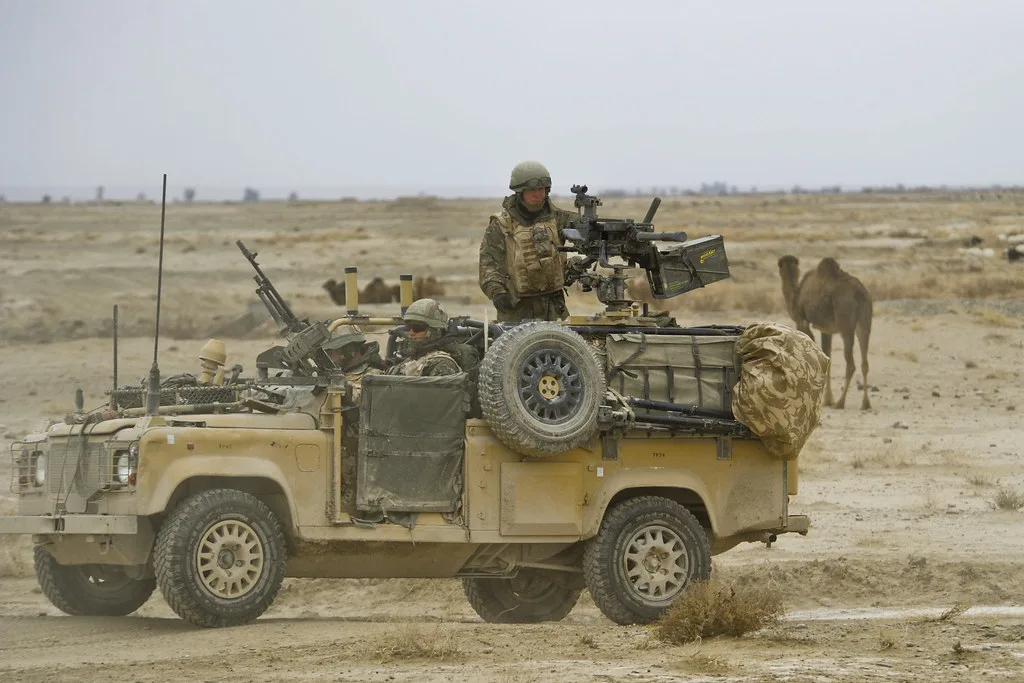





United States and Nigerian military forces successfully executed a joint counter-terrorism operation this week, resulting in the death of Abu-Bilal al-Minuki, the second-in-command of the Islamic State in the Levant (ISIL). The high-stakes mission targeted al-Minuki in a strategic stronghold, effectively removing a key figure responsible for orchestrating regional insurgent activities and global network coordination.
Context of the Conflict
The operation follows a sustained period of increased military pressure against extremist cells operating in the Sahel and West Africa. Abu-Bilal al-Minuki had been a primary focus of international intelligence agencies for several years, culminating in his formal designation as a ‘global terrorist’ by the U.S. State Department in 2023.
His leadership role within the organization involved managing logistics, recruitment, and the tactical deployment of militants across volatile borders. Analysts suggest that his removal marks a significant disruption in the group’s command-and-control structure in the region.
Tactical Execution and Strategic Impact
The mission was characterized by precise intelligence-sharing and synchronized ground movements between U.S. special operations advisors and Nigerian national security units. By integrating satellite surveillance with local ground intelligence, the coalition bypassed traditional defensive measures employed by ISIL militants.
Military experts note that the success of this operation underscores the efficacy of the ‘by, with, and through’ strategy, which emphasizes training and assisting partner nations rather than unilateral military intervention. This approach is intended to build long-term institutional capacity within the Nigerian military while achieving immediate tactical objectives.
Expert Perspectives and Data
Regional security analysts have long identified al-Minuki as a critical node in ISIL’s expansion strategy. According to reports from the Global Terrorism Index, ISIL affiliates in Africa have experienced varying levels of operational success, yet the loss of high-ranking commanders consistently leads to fragmentation and internal power struggles within the organization.
The U.S. Africa Command (AFRICOM) has repeatedly emphasized that the threat posed by ISIL remains dynamic. While the death of al-Minuki is a tangible victory, authorities warn that the organization’s decentralized nature allows for the rapid promotion of lower-level commanders to fill leadership vacuums.
Broader Implications for Regional Stability
For the civilian populations in the region, the neutralization of a high-level commander brings cautious optimism regarding the potential for reduced insurgent activity. However, the immediate aftermath of such operations often triggers a period of heightened volatility as rival factions compete for territory and resources.
The industry focus now shifts toward how the power transition within the terrorist cell will manifest in the coming months. Observers are closely monitoring whether the organization will attempt a retaliatory surge or if the loss of such a senior leader will result in a sustained decline in operational cohesion.
Moving forward, the success of this joint venture will likely serve as a blueprint for future counter-insurgency operations in the Sahel. Future efforts will likely prioritize the hardening of local intelligence networks and the continuous monitoring of potential successors to ensure that the momentum gained by this operation is not lost to organizational restructuring.